
TL;DR:
- A dermatologist aesthetician combines medical and cosmetic skin care to improve long-term skin health through coordinated treatment. Medical concerns are addressed by dermatologists, while aestheticians maintain and enhance skin appearance after medical treatment. Consulting both professionals ensures accurate diagnosis, effective treatment, and sustained cosmetic results.
A dermatologist aesthetician is not a single job title. It describes the collaborative approach of pairing a medically qualified dermatologist with a trained aesthetician to address both the health and appearance of your skin. Most adults seeking professional skincare advice do not realise these two roles are distinct yet deeply complementary. Choosing the right professional, or the right combination of both, determines whether your skin concern is correctly diagnosed, safely treated, and effectively maintained. This guide explains why consulting a dermatologist aesthetician together produces results that neither professional achieves alone.
Why consult a dermatologist aesthetician: understanding the two roles
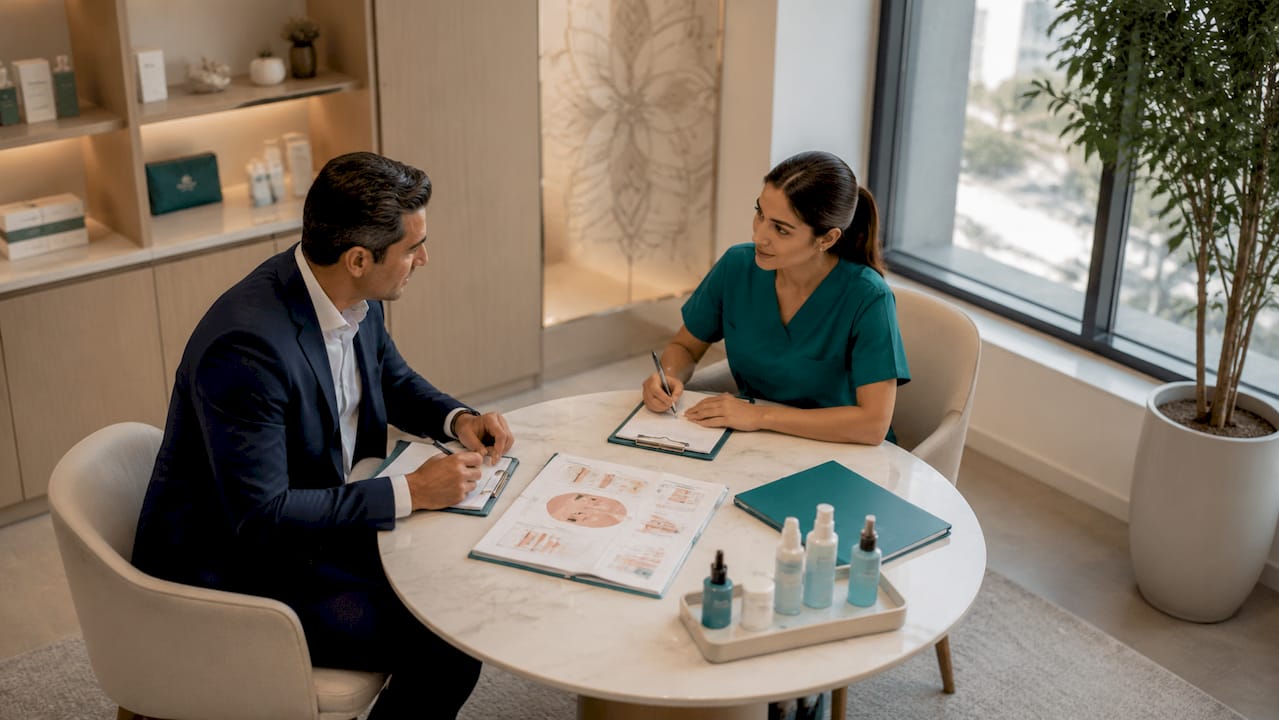
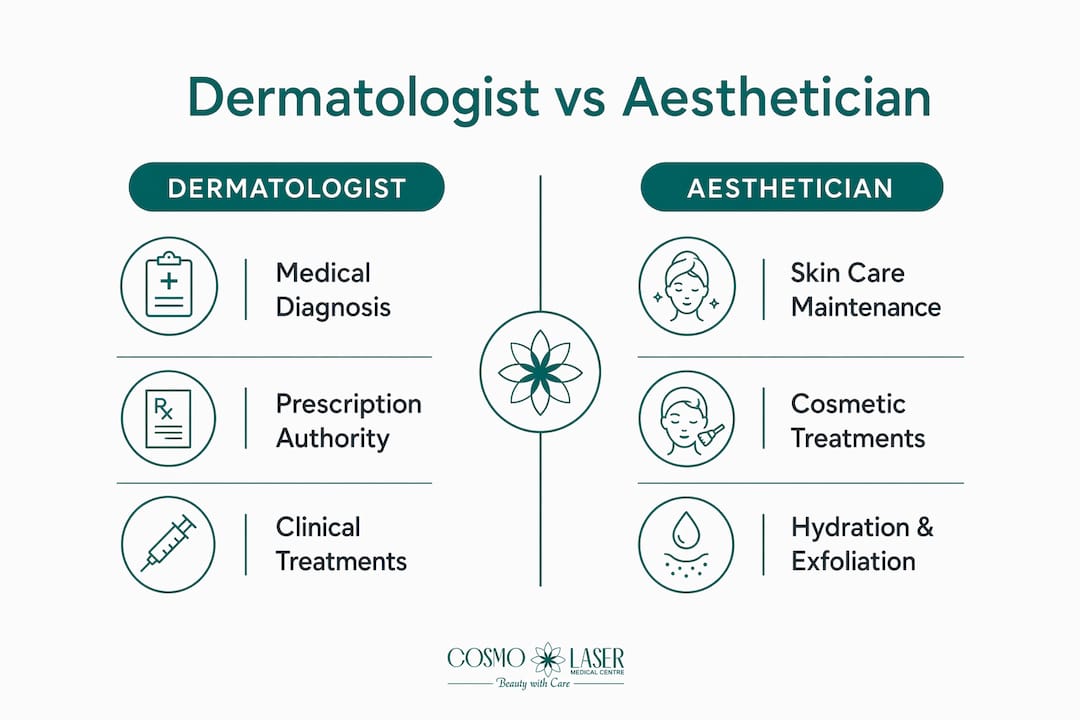
Dermatologists are medical doctors trained to diagnose and treat skin diseases, prescribe medications, and perform clinical procedures. Aestheticians, by contrast, hold specialised cosmetic training focused on improving skin appearance through treatments such as facials, chemical exfoliation, and hydration therapies. The distinction matters because the two professions operate under entirely different legal scopes of practice. A dermatologist can biopsy a suspicious mole, prescribe a retinoid, or administer CO2 fractional laser therapy. An aesthetician cannot.
This separation is not a flaw in the system. It reflects a deliberate division of labour that, when respected, produces the best outcomes for patients. Dermatologists manage the medical foundation; aestheticians maintain and enhance the cosmetic result. Treating these roles as interchangeable is where most skincare plans go wrong.
Pro Tip: Before booking any skin treatment, ask yourself whether your concern is medical (a diagnosis is needed) or cosmetic (your skin is healthy and you want to improve its appearance). That single question will direct you to the right professional.
Training and legal scope compared
| Professional | Qualification | Scope of practice |
|---|---|---|
| Dermatologist | Medical degree plus specialist residency | Diagnose disease, prescribe medication, perform clinical procedures |
| Aesthetician | Vocational or diploma-level cosmetic training | Facials, exfoliation, hydration, non-medical skin maintenance |
The gap in training is significant. A dermatologist completes a full medical degree followed by years of specialist residency. An aesthetician completes a focused vocational programme covering skin anatomy, product knowledge, and cosmetic techniques. Neither qualification is inferior; they simply serve different purposes.
When do you need a dermatologist rather than an aesthetician?
Medical skin concerns require a dermatologist. At least 63% of acne patients who first see an aesthetician would benefit more from a dermatologist evaluation to address possible medical causes. That figure reveals how often patients seek cosmetic solutions for conditions rooted in hormonal imbalance, bacterial infection, or immune dysfunction.
The consequences of misrouting are serious. Patients who delay dermatologist care for acne in favour of aesthetic treatments risk scarring, prolonged symptoms, and ongoing skin damage. A facial will not clear cystic acne caused by elevated androgens. Only a dermatologist can prescribe the hormonal therapy or oral antibiotics needed to address the root cause.
Dermatologist appointments are never a waste of time. Even when a skin change turns out to be benign, the consultation provides reassurance, early risk detection, and a clear management plan. Peace of mind is a clinical outcome in its own right.
Skin changes that warrant immediate dermatologist consultation include:
- Asymmetry: one half of a mole does not match the other
- Border irregularity: ragged, notched, or blurred edges on a lesion
- Colour variation: multiple shades of brown, black, red, or white within one spot
- Diameter: any lesion wider than 6mm deserves assessment
- Evolution: any mole or spot that changes in size, shape, or colour over weeks
These are the ABCDE criteria for melanoma screening, endorsed by clinical dermatology guidelines worldwide. Applying them takes under a minute and can prompt a life-saving consultation.
Other conditions that require dermatologist care include persistent rosacea, psoriasis, eczema, unexplained rashes, and any lesion that bleeds, itches, or fails to heal. An aesthetician is not trained to diagnose these conditions and cannot legally treat them.
How aestheticians support skin health after medical treatment
Aesthetician treatments such as facials, exfoliation, and maintenance care improve skin hydration, texture, and radiance. They do not address underlying medical conditions. This distinction defines exactly where aesthetician care fits: after a dermatologist has resolved or stabilised the medical issue, an aesthetician helps maintain and enhance the result.
For patients whose acne is under control through prescribed medication, regular HydraFacial treatments can clear congested pores, improve skin tone, and reduce post-inflammatory hyperpigmentation. For patients who have completed a course of CO2 fractional laser resurfacing, an aesthetician’s maintenance programme preserves the improved skin texture between clinical sessions.
Aesthetician care also delivers genuine value for patients with no active medical concern. Regular professional exfoliation removes dead skin cells that home products cannot fully address. Personalised product recommendations based on your Fitzpatrick skin type and lifestyle reduce the risk of irritation from poorly matched over-the-counter products.
Key benefits of regular aesthetician care include:
- Improved skin hydration and barrier function through professional-grade treatments
- Personalised daily skincare routines tailored to your skin type and climate
- Early identification of new skin changes that may warrant dermatologist review
- Maintenance of results achieved through medical procedures such as chemical peels or laser resurfacing
- Reduction in post-inflammatory hyperpigmentation through targeted exfoliation protocols
Cosmetically focused aestheticians also provide valuable guidance on daily skincare routines and buffer the skin between clinical treatments. This buffering role is underappreciated. It reduces the frequency of clinical interventions needed and extends the longevity of medical treatment results.
Pro Tip: Ask your aesthetician to document your skin condition at each visit with photographs. This creates a visual record that helps your dermatologist track changes and adjust your treatment plan accurately.
What are the benefits of integrated dermatology and aesthetician care?
Combined dermatology and aesthetician care yields the best long-term skin health results by pairing diagnosis and medical treatment with cosmetic maintenance. The two roles are not competing; they are sequential and mutually reinforcing.
The most effective skin health strategies establish a medically sound foundation through diagnosis and treatment before incorporating cosmetic maintenance by aestheticians. Think of it as a two-phase approach: the dermatologist clears the path, and the aesthetician keeps it clear.
| Skin concern | Dermatologist role | Aesthetician role |
|---|---|---|
| Acne | Diagnose cause, prescribe medication, manage scarring risk | Maintain clear skin, reduce pigmentation, advise on products |
| Pigmentation | Rule out medical causes, prescribe depigmenting agents | Exfoliation, brightening facials, SPF guidance |
| Anti-ageing | Prescribe retinoids, perform collagen biostimulators or laser | Hydration, firming treatments, maintenance facials |
| Sensitive skin | Diagnose rosacea or eczema, prescribe topicals | Gentle maintenance, barrier-supporting treatments |
Patient satisfaction improves markedly when both professionals communicate. A dermatologist who knows what aesthetician treatments a patient receives can adjust prescriptions accordingly. An aesthetician who understands a patient’s medical history avoids treatments that could aggravate a managed condition.
The misconception that dermatologists and aestheticians replace each other ignores their complementary roles entirely. Adults who embrace both professionals within a coordinated plan achieve more consistent, longer-lasting results than those who rely on one discipline alone.
When should you book a consultation and with whom?
The decision is straightforward once you understand the scope of each professional. Book a dermatologist first if you notice any of the ABCDE warning signs, experience persistent acne unresponsive to over-the-counter products, have an unexplained rash lasting more than two weeks, or have a personal or family history of skin cancer. Early dermatologist involvement followed by aesthetician support optimises treatment efficiency and long-term skin appearance.
Book an aesthetician first if your skin is medically healthy and your goal is improved hydration, a more even complexion, or maintenance of existing results. An aesthetician is also the right starting point for general skincare advice, product selection, and routine building.
A practical consultation sequence for most adults looks like this:
- Book a dermatologist assessment if any medical concern exists, even if you are unsure. A clear diagnosis removes uncertainty and prevents wasted spend on cosmetic treatments that cannot address the root cause.
- Complete the prescribed medical treatment fully before adding cosmetic interventions. Layering aesthetician treatments on top of active medical conditions can irritate the skin or mask symptoms.
- Transition to aesthetician-led maintenance once the dermatologist confirms your skin is stable. Discuss your medical history openly so the aesthetician can tailor treatments safely.
- Schedule periodic dermatologist reviews at least once a year, or immediately if new concerns arise. Skin changes over time, and ongoing monitoring protects long-term health.
- Keep both professionals informed of any changes to your medications, skincare products, or skin condition. Coordinated care requires open communication between all parties.
Post-treatment skincare guidance is particularly important after clinical procedures. Following medical advice on recovery supports both healing and the cosmetic result.
Key takeaways
Consulting a dermatologist for medical skin concerns and an aesthetician for cosmetic maintenance is the most effective approach to long-term skin health.
| Point | Details |
|---|---|
| Distinct professional roles | Dermatologists diagnose and treat disease; aestheticians maintain and improve cosmetic appearance. |
| Medical concerns need a dermatologist | At least 63% of acne patients seen by aestheticians need medical evaluation first. |
| ABCDE criteria save lives | Asymmetry, border, colour, diameter, and evolution are the five warning signs requiring urgent dermatologist review. |
| Integrated care produces best results | Combining medical treatment with aesthetician maintenance yields superior long-term skin health outcomes. |
| Sequence matters | Establish medical stability with a dermatologist before adding cosmetic aesthetician treatments. |
My view on where most adults go wrong with their skincare
Dr Anoop Suresh Babu
The most common mistake I see is not choosing the wrong professional. It is choosing a professional based on convenience rather than clinical need. Patients book an aesthetician because the appointment is easier to get and the environment feels less clinical. That is understandable. But when the underlying concern is hormonal acne, a suspicious lesion, or a rash with no clear cause, a facial is not a treatment. It is a delay.
What I find equally frustrating is the reverse error: patients who see a dermatologist for concerns that are genuinely cosmetic and then feel disappointed when the consultation focuses on medical assessment rather than aesthetic improvement. A dermatologist is not the right person to advise on your daily moisturiser or help you choose between a brightening facial and a hydration treatment. That is the aesthetician’s domain, and a skilled aesthetician does it exceptionally well.
The future of adult skincare lies in coordinated care. Clinics that house both disciplines under one roof remove the communication gap that causes so many treatment plans to underperform. When your dermatologist and aesthetician share notes, your skin benefits from both perspectives simultaneously. Even benign skin concerns benefit from professional consultation for reassurance and early risk detection. That reassurance has real clinical value. Anxiety about a skin change affects quality of life, and a clear professional opinion resolves it quickly.
My advice is simple: start with a dermatologist if there is any doubt about whether a concern is medical. Once you have a clear picture of your skin’s health, bring in an aesthetician to build and maintain the cosmetic result. That sequence is not complicated. It is just rarely followed.
— Dr Anoop Suresh Babu
Cosmolaser’s integrated approach to skin health and aesthetics
Cosmolaser, based in Sharjah, brings together qualified dermatologists and experienced aestheticians within a single medical clinic. This means your skin assessment, medical treatment, and cosmetic maintenance are coordinated from the outset, without the communication gaps that arise when you see separate providers in separate locations.
Whether your concern is persistent acne requiring medical management, post-inflammatory pigmentation, or age-related skin changes, Cosmolaser’s team tailors a plan that addresses both the clinical and cosmetic dimensions of your skin. The clinic’s full range of services includes medical-grade procedures such as CO2 fractional laser, radiofrequency microneedling, and skin boosters, alongside aesthetician-led treatments for ongoing maintenance. Book a consultation to receive a personalised skin assessment and a clear, sequenced plan for your skin health goals.
FAQ
What is a dermatologist aesthetician?
The term describes the collaborative approach of pairing a medically qualified dermatologist with a trained aesthetician. Together, they address both the medical health and cosmetic appearance of the skin within a coordinated care plan.
When should you see a dermatologist instead of an aesthetician?
See a dermatologist for any skin concern that may have a medical cause, including persistent acne, suspicious moles meeting the ABCDE criteria, unexplained rashes, or a personal history of skin cancer. Aestheticians are not trained to diagnose or treat these conditions.
Can an aesthetician treat acne?
An aesthetician can support acne management through maintenance treatments, but at least 63% of acne patients benefit more from dermatologist evaluation first. Medical causes such as hormonal imbalance or bacterial infection require prescription treatment that only a dermatologist can provide.
What are the benefits of seeing both a dermatologist and an aesthetician?
Combined care pairs accurate diagnosis and medical treatment with cosmetic maintenance, producing better long-term skin health and appearance than either professional achieves alone. The dermatologist resolves the underlying condition; the aesthetician preserves and enhances the result.
How often should adults see a dermatologist for skin checks?
A yearly dermatologist review is recommended for most adults, with immediate consultation if any new or changing skin lesion appears. Regular checks support early detection of skin cancer and allow timely adjustment of any ongoing treatment plan.