
Radiofrequency microneedling (RFMN) delivers deep collagen remodelling with minimal downtime — making it the most versatile skin treatment available for UAE patients who cannot take a week off for laser recovery. At Cosmolaser, we elevate every RFMN session with clinically validated biological add-ons: stem cells, PDRN, exosomes, red light therapy, and carboxytherapy — transforming a single procedure into a comprehensive skin renewal programme.
In a climate where UV index exceeds 10 for seven months of the year and post-procedure sun avoidance is genuinely difficult to maintain, the choice of skin treatment technology matters beyond clinical efficacy alone. CO2 fractional laser — while producing outstanding results — comes with 7 days of visible recovery and a strict post-treatment sun restriction that is challenging to observe in the UAE lifestyle. For patients with demanding professional and social schedules, or those with Fitzpatrick IV–VI skin where post-laser PIH risk is significant, RF microneedling offers a compelling alternative.
RFMN achieves deep collagen remodelling and skin tightening through a fundamentally different mechanism to laser: instead of ablating the skin surface, insulated microneedles deliver radiofrequency energy directly into the dermis while leaving the epidermis largely intact. The result is genuine dermal transformation — scar filling, pore tightening, skin lifting — with recovery measured in days rather than a week, and without the surface wounding that raises post-laser PIH risk in melanin-rich skin.
The UAE population — predominantly Fitzpatrick III–V, with significant Fitzpatrick V–VI representation — is precisely the demographic that benefits most from RFMN over ablative laser as a first-line treatment. At Cosmolaser in Sharjah, RFMN is our most frequently recommended resurfacing-category treatment because it is the safest and most practical option for the majority of our patients.
We further extend RFMN results with biological enhancement add-ons applied immediately post-procedure, when the microchannel perforations created by the needles dramatically increase the absorption and bioavailability of topically applied actives. Stem cell serums, PDRN, and exosome complexes delivered through fresh microchannel channels reach dermal depths that topical application alone cannot — turning a single RFMN session into a multilevel biological and structural intervention.
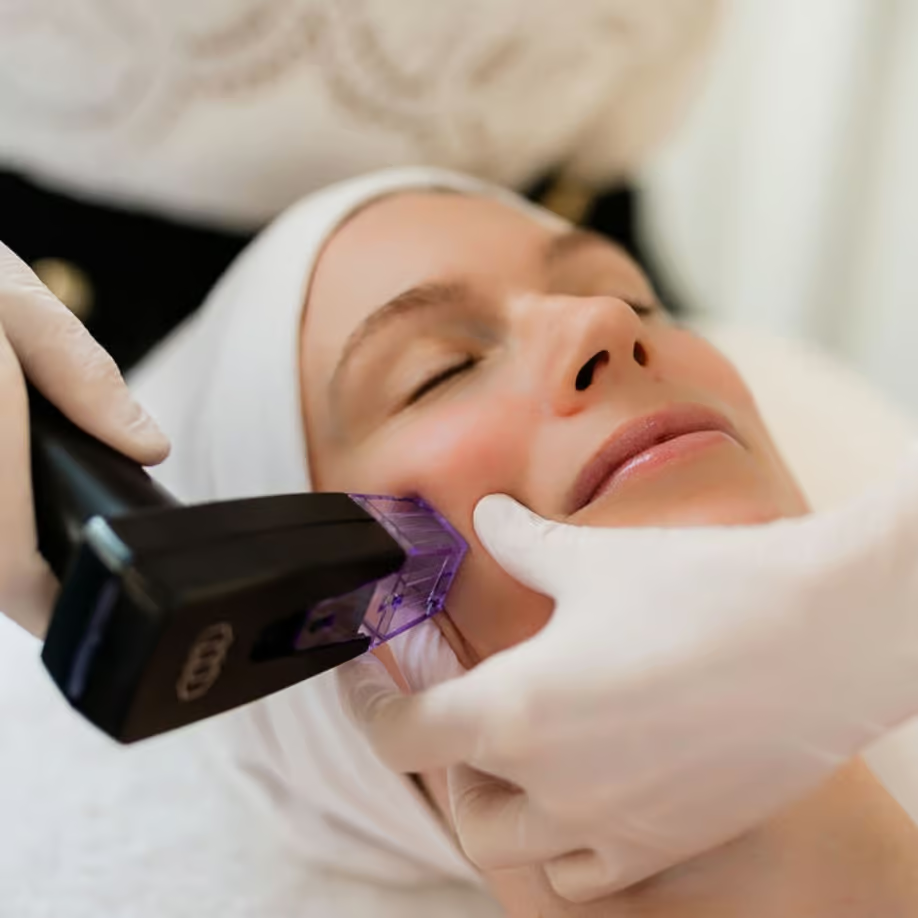
Radiofrequency microneedling (RFMN) combines two proven technologies in a single pass: microneedling (the mechanical creation of microchannels through the skin by an array of fine needles) and radiofrequency energy (delivered through the needle tips at precise dermal depths, generating controlled thermal coagulation zones in the dermis).
The needles used in RFMN are insulated along their shafts — meaning the RF energy is released only at the tip, at the calibrated dermal depth, and not in the epidermis above. This is the critical distinction from standard (non-insulated) microneedling: the RF energy targets the dermis precisely, creating deep collagen injury and remodelling without burning or significantly wounding the epidermal surface layer. Recovery is therefore far shorter than with ablative CO2 laser, and PIH risk is significantly lower.
The wound-healing cascade triggered by the combined mechanical and thermal injury produces new collagen fibres, elastin network regeneration, and progressive dermal thickening over 3–6 months following treatment. This manifests clinically as tighter skin with improved elasticity, smoother scar texture, reduced pore size, and improved overall skin quality — effects that build progressively with each session in the course.
Feature | Standard Microneedling | RFMN | CO2 Fractional Laser |
|---|---|---|---|
Mechanism | Mechanical collagen induction | Mechanical + thermal RF at depth | Ablative + thermal |
Depth of action | Epidermis to upper dermis | Mid to deep dermis (precise) | Full dermis + surface ablation |
Surface ablation | No | No (insulated needles) | Yes |
Downtime | 1 day | 1–2 days | 5–7 days |
PIH risk (Fitz. IV–VI) | Very low | Low | Moderate — manage with protocol |
Collagen remodelling depth | Shallow | Deep | Deep |
Skin tightening effect | Mild | Strong | Strong |
Year-round in UAE | Yes | Yes | Caution in summer |
Post-procedure booster absorption | Good | Excellent — RF opens channels | Poor — surface ablated |
RFMN is one of the two gold-standard treatments for atrophic acne scarring (alongside CO2 laser) and is frequently preferred as first-line for Fitzpatrick IV–VI patients. The RF energy delivered to the base of rolling and boxcar scars creates thermal coagulation that triggers focused collagen deposition — progressively filling the scar depression over multiple sessions. The mechanical needle action also disrupts the fibrous subcutaneous bands responsible for rolling scars, producing a subcision-like tethering release alongside the RF remodelling.
Scar Types | Rolling scars (primary), boxcar scars, textural irregularity, shallow pitting |
Sessions Required | 3–5 sessions, 4–6 weeks apart |
Results Timeline | Visible smoothing from session 2; maximum improvement 3–6 months post-course |
Combination Recommendation | PDRN or stem cell serum post-procedure for accelerated healing; Pico laser (separate session) for PIH component |
Dermal RF energy stimulates a collagen remodelling response that progressively tightens loose or lax skin over the 3–6 months following treatment. For patients with mild-to-moderate facial laxity — particularly in the mid-face, jowl area, and neck — RFMN delivers a measurable lifting and firming effect without surgery or downtime. The higher the RF energy and the deeper the needle penetration, the more pronounced the tightening response.
Best For | Mild-moderate facial laxity; jowl softening; neck crepiness; periorbital tightening; post-weight loss skin firming |
Sessions Required | 3–4 sessions for tightening focus; annual maintenance thereafter |
Results Timeline | Tightening peaks at 3–4 months; maintained 12–18 months |
Combination Recommendation | Exosome mask post-procedure for anti-ageing synergy; combine with Endolaser for enhanced lift |
Enlarged pores are structurally caused by loss of collagen support around the follicle opening — the collagen ‘ring’ that holds the pore tight loses integrity with age and UV damage, allowing the pore to expand. RFMN rebuilds this collagen scaffold directly, tightening pores from the inside out. Patients with oily, thick skin and chronically enlarged pores across the nose and cheek area see particularly strong pore-refinement results.
Best For | Enlarged pores (nose, cheeks, chin); oily and thick skin texture; combination skin with sebum-related congestion |
Sessions Required | 3–4 sessions; monthly maintenance HydraFacial to sustain results |
Results Timeline | Pore refinement visible from session 2; progressive with collagen maturation |
Combination Recommendation | PDRN post-procedure reduces post-treatment inflammation and supports barrier recovery |
RFMN has growing clinical evidence for striae treatment — the RF energy delivered to the dermis underlying the stretch mark stimulates new collagen in a tissue type that has been permanently altered at the structural level. Combined with the mechanical disruption of the surface of the mark, RFMN progressively improves both the texture and the colour contrast of stretch marks over a course of sessions.
Best For | Abdominal, thigh, and arm striae; both early (red) and mature (white) stretch marks |
Sessions Required | 4–6 sessions, 5–6 weeks apart |
Results Timeline | Texture improvement from session 2–3; colour normalisation over 4–6 months |
Combination Recommendation | Carboxy mask or exosome mask post-procedure to boost local oxygenation and growth factor delivery |
Beyond targeted scar and laxity treatment, RFMN delivers a broad skin quality improvement that patients describe as a ‘reset’ — brighter, firmer, more even-toned skin with improved radiance and reduced fine lines. This makes it an excellent annual or biennial maintenance treatment for patients in their late 30s and above who want to maintain skin quality proactively, even without a specific scar concern.
Best For | General rejuvenation; fine lines; dull, fatigued skin; photo-ageing; annual anti-ageing maintenance |
Sessions Required | 2–3 sessions for rejuvenation; single annual maintenance session for skin quality upkeep |
Results Timeline | Visible glow and texture improvement within 2 weeks of session 1 |
Combination Recommendation | Red light therapy (PDT) post-procedure for additional anti-ageing, anti-inflammatory, and healing benefit |
Immediately after RF microneedling, the skin surface is perforated with thousands of microchannels — precise openings that bypass the epidermal barrier and provide direct access to the dermis. This post-RFMN window, lasting approximately 30–40 minutes before the channels begin to close, represents the highest topical absorption opportunity available in aesthetic medicine. A serum or biological agent applied at this moment achieves 10–20x the dermal penetration compared to standard topical application.
At Cosmolaser, we use this window strategically — selecting the most clinically appropriate biological add-on based on each patient’s primary concern and skin condition. The following enhancement protocols are available as post-RFMN boosters.
Stem cell-derived conditioned media — containing the growth factors, cytokines, and signalling peptides secreted by stem cells during cell culture — is applied to the skin surface immediately post-RFMN. These paracrine factors bind to local fibroblasts and keratinocytes, amplifying the wound-healing response already triggered by the RF injury, upregulating collagen synthesis, and accelerating tissue repair beyond what RFMN alone achieves.
The stem cells used in cosmetic serums are not human embryonic stem cells — they are typically adipose-derived mesenchymal stem cell conditioned media, or plant-derived stem cell extracts with demonstrated growth factor activity. The clinical effect is a measurably faster healing response, enhanced collagen output, and a more pronounced final result compared to RFMN without biological enhancement.
Best Used For | Anti-ageing rejuvenation; accelerated recovery after intensive RFMN sessions; patients seeking maximum collagen output per session |
Mechanism | Growth factors and cytokines from stem cell conditioned media stimulate resident fibroblast collagen production via paracrine signalling |
Delivery | Applied topically to microchannel-perforated skin immediately post-RFMN; massaged in gently before sealing with recovery mask |
Visible Effect | Faster initial healing (redness resolves in hours rather than days); enhanced final result at 3-month assessment |
Frequency | Recommended at every RFMN session for maximum course benefit |
PDRN (polydeoxyribonucleotide) is a highly purified DNA fragment derived from salmon sperm DNA, with extensive clinical literature documenting its tissue repair, anti-inflammatory, and collagen-stimulating properties. When delivered through RFMN microchannels, PDRN binds to adenosine A2A receptors in dermal fibroblasts, triggering a pronounced regenerative cascade — accelerating cell proliferation, suppressing the inflammatory cytokines responsible for post-procedure redness and swelling, and upregulating collagen type I and III synthesis.
As an injectable treatment, PDRN (marketed as Rejuran Healer) is a well-established skin booster in Korean and UAE aesthetic practice. Post-RFMN topical delivery through microchannels provides a non-injectable alternative that achieves meaningful dermal bioavailability without additional needle trauma. For patients who are also receiving injectable PDRN skin boosters, the combination of injectable plus microchannel-delivered PDRN can be sequenced appropriately within the same course.
Best Used For | Post-inflammatory skin; acne scar patients where inflammation reduction is a priority; skin with barrier damage; patients prone to prolonged post-procedure redness |
Mechanism | Adenosine A2A receptor agonism triggers fibroblast proliferation, collagen upregulation, and potent anti-inflammatory signalling |
Source | Pharmaceutical-grade salmon DNA extract; highly purified; no biological risk |
Delivery | Applied to post-RFMN microchannel surface; absorbed dermally over the 30-min open-channel window |
Visible Effect | Markedly reduced post-procedure erythema; faster healing; improved skin smoothness at review |
Frequency | Particularly recommended for sessions 1–2 when post-procedure inflammation is typically most significant |
Exosomes are extracellular vesicles — nano-scale lipid membrane structures secreted by cells that carry cargo including mRNA, microRNA, proteins, and lipids — which function as intercellular communication packages. In regenerative medicine, exosome preparations derived from mesenchymal stem cells carry a concentrated payload of pro-regenerative signals that, when delivered to injured tissue, dramatically accelerate and amplify the healing and remodelling response.
Applied as a mask or serum to post-RFMN skin, exosome preparations deliver their regenerative cargo directly through the open microchannels into the dermis — where they are taken up by local fibroblasts, keratinocytes, and immune cells. The result is a markedly amplified healing response: patients report that sessions with exosome enhancement heal visually within 12–24 hours rather than the typical 48 hours, and the progressive collagen results assessed at 3 months are consistently superior to unenhanced sessions.
Exosome technology represents the frontier of post-procedure biological enhancement — it is more potent than standard growth factor serums due to the intact vesicle structure that protects the bioactive cargo during delivery. Cosmolaser uses medical-grade exosome preparations with documented cell-derived provenance.
Best Used For | Anti-ageing focused sessions; patients wanting maximum regenerative output; intensive scar resurfacing courses; patients in their 40s and above where baseline regenerative capacity is reduced |
Mechanism | Exosome vesicles deliver mRNA, microRNA, and growth factor protein cargo directly to dermal cells via microchannel absorption; amplifies fibroblast collagen synthesis and accelerates keratinocyte healing |
Product Standard | Medical-grade, cell-derived exosome preparation; not plant-derived; full provenance documentation |
Delivery | Applied as a serum mask layer on post-RFMN skin; left for 20–30 minutes during the open-channel window |
Visible Effect | Recovery within 12–24 hours; more significant result at 3-month review compared to unenhanced sessions |
Note | Premium enhancement — discuss pricing at consultation; strongly recommended for patients doing intensive 4–5 session scar courses |
Photodynamic therapy with red light (630nm) is applied after RFMN as a final step in the session, delivering low-level light therapy (LLLT) to the freshly treated skin. Red light at 630nm penetrates to approximately 2–3mm depth and is absorbed by cytochrome C oxidase in the mitochondrial respiratory chain — stimulating cellular ATP production, which powers the repair and regeneration processes already initiated by the RFMN.
In practical terms, post-RFMN red light therapy has three clinically meaningful effects: it accelerates mitochondrial-driven cellular repair in the healing epidermis, reduces the inflammatory cytokine cascade (reducing post-procedure redness and swelling), and has an independent anti-ageing effect via fibroblast stimulation and collagen upregulation at the light-tissue absorption depth. It is also the most comfortable and universally tolerated of all the enhancement options — there is no sensation, no risk, and no contraindications in the post-RFMN context.
Near-infrared light (830nm) is often added alongside red light to extend the penetration depth of the light therapy to the deeper dermis, providing complementary mitochondrial stimulation at the RF collagen injury zone itself.
Best Used For | All RFMN patients as standard add-on; particularly valuable for patients with sensitive or reactive skin where inflammation reduction is a priority; anti-ageing rejuvenation focus |
Wavelength | Red light 630nm (primary) + near-infrared 830nm (optional); both non-UV, non-thermal |
Mechanism | Cytochrome C oxidase activation drives increased cellular ATP; independent fibroblast stimulation; anti-inflammatory cytokine modulation |
Session Duration | 15–20 minutes under LED panel immediately post-RFMN |
Contraindications | None in the post-RFMN context; universally safe; no UV risk; safe for all Fitzpatrick types |
Visible Effect | Redness typically resolves within 4–6 hours (vs 24–48 without); accelerated healing; modest independent rejuvenation benefit |
Note | Can be applied at every RFMN session with no cumulative risk; recommended as the default post-RFMN step at Cosmolaser |
A carboxy mask is a patch or gel system that releases CO2 gas through the skin surface, creating a localised Bohr effect — the sudden rise in local CO2 concentration causes haemoglobin in the superficial vasculature to release its oxygen payload, dramatically increasing local tissue oxygenation for 20–30 minutes. Applied post-RFMN, this oxygen surge directly powers the energy-intensive cellular repair processes initiated by the RF injury.
Beyond oxygenation, the carboxy mask improves local microcirculation, increases nutrient delivery to the healing dermis, and is clinically documented to stimulate collagen and elastin production independently. The application is painless — a mild tingling or warmth is commonly reported — and the resulting post-treatment glow and skin plumping effect is often immediately visible even before any healing has completed.
Carboxytherapy masks are particularly useful for patients whose skin appears dull or fatigued at the time of their RFMN session, and for body RFMN sessions (abdomen, thighs) where tissue oxygenation and circulation enhancement are especially beneficial for healing and collagen production.
Best Used For | Dull or fatigued skin; body RFMN (stretch marks, skin tightening); patients wanting immediate visible glow alongside the progressive RFMN results; smokers or patients with reduced local circulation |
Mechanism | CO2 diffusion triggers Bohr effect — localised haemoglobin oxygen release increases tissue pO2; independently stimulates collagen and elastin via fibroblast activation |
Delivery | Carboxy mask applied to post-RFMN skin; left for 20–30 minutes; removed before patient leaves |
Sensation | Mild tingling or warm flush; entirely painless; no risk |
Visible Effect | Immediate: visible plumping and radiance improvement; Progressive: enhanced collagen output at 3-month review |
Note | Particularly popular for body sessions; can be combined with exosome or stem cell serum in the same post-procedure sequence |
Your Primary Goal | Recommended Enhancement | Why |
|---|---|---|
Maximum anti-ageing / rejuvenation | Exosome mask + Red light (PDT) | Highest biological amplification of collagen response + healing acceleration |
Acne scar focused course | PDRN infusion + Stem cell serum | Anti-inflammatory + collagen upregulation for scar filling |
Fastest possible recovery | Red light (PDT) + PDRN | Combined anti-inflammatory effect; redness resolves in hours |
Skin tightening / lifting | Exosome mask + Red light (PDT) | Growth factor signalling + mitochondrial activation for firming |
Body RFMN (stretch marks) | Carboxy mask + Exosome | Oxygenation + growth factor delivery for body tissue |
Budget-conscious enhancement | Red light (PDT) | Lowest cost; universally applicable; meaningful anti-inflammatory + healing benefit |
Intensive course (max results) | All 5 enhancements rotated across sessions | Rotate per session: PDRN (s1) → Exosome (s2) → Stem cell (s3) → PDT every session |
Area | Primary Indication | Recommended Enhancement | Sessions |
|---|---|---|---|
Full face | Rejuvenation, pores, fine lines, overall | Exosome or stem cell + PDT | 3–4 |
Cheeks | Acne scars (rolling, boxcar) | PDRN + stem cell | 3–5 |
Forehead | Lines, texture, lifting | Exosome + PDT | 2–3 |
Periorbital | Crepiness, fine lines, lower lid laxity | Exosome + PDT (gentle) | 3–4 |
Jaw & neck | Skin laxity, jowling, neck lines | Stem cell + PDT | 3–4 |
Abdomen | Post-pregnancy laxity, stretch marks | Carboxy mask + exosome | 4–6 |
Thighs / arms | Stretch marks, skin laxity | Carboxy mask | 4–6 |
Decolletage | Crepiness, sun damage | PDRN + PDT | 3–4 |
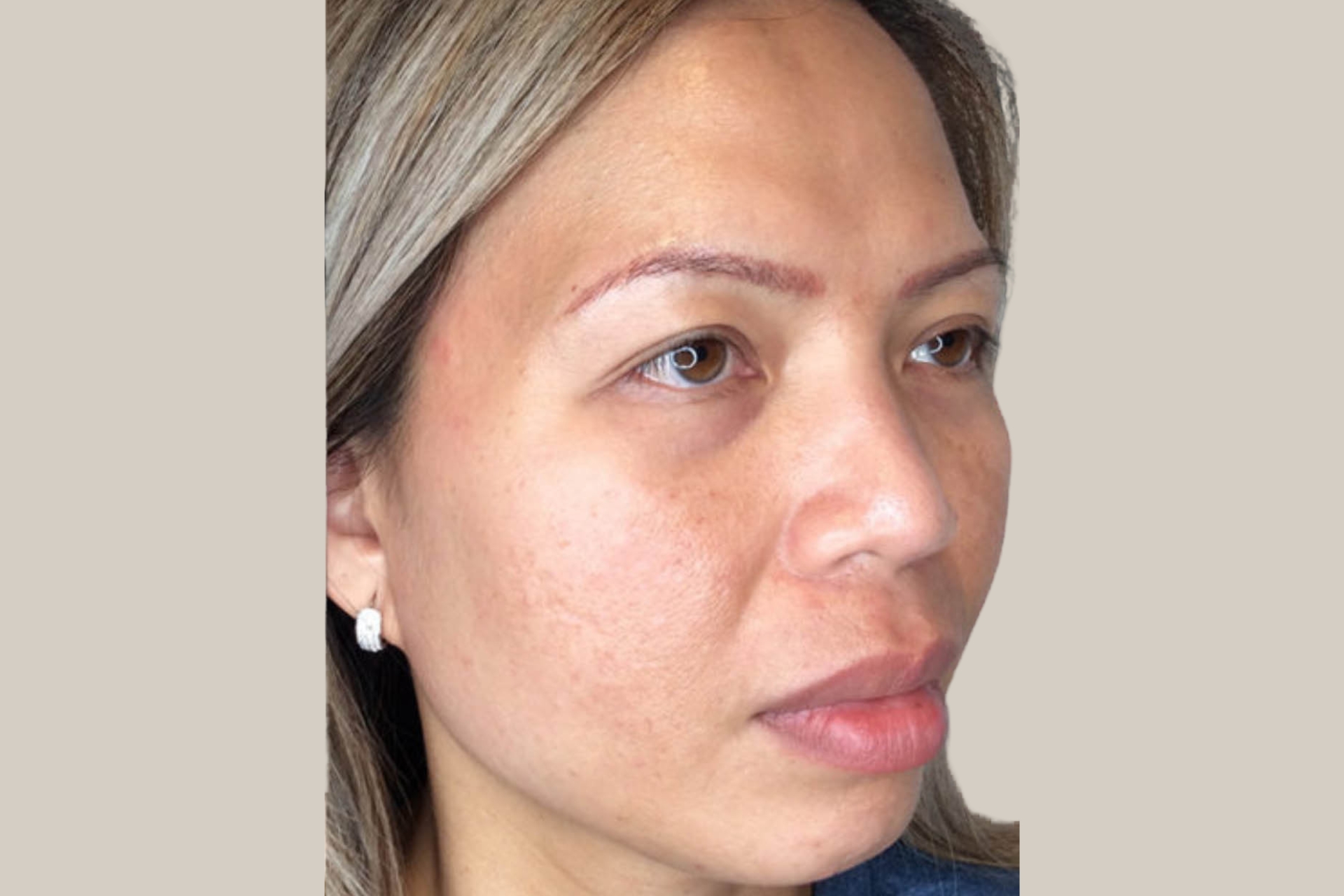
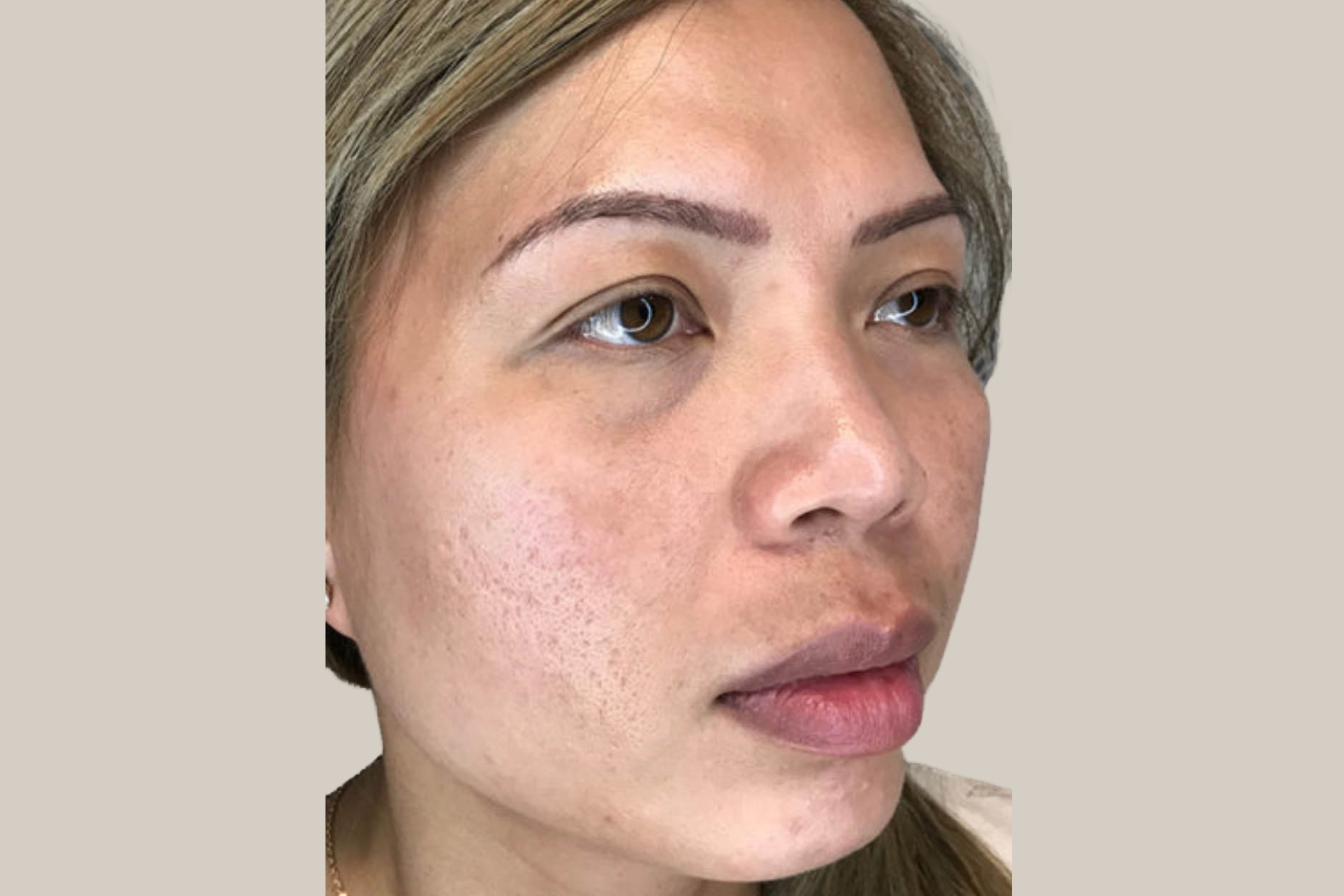
Female patient, 29 years, Fitzpatrick IV. RFMN x4 sessions (PDRN + stem cell serum each session), 5-week intervals.
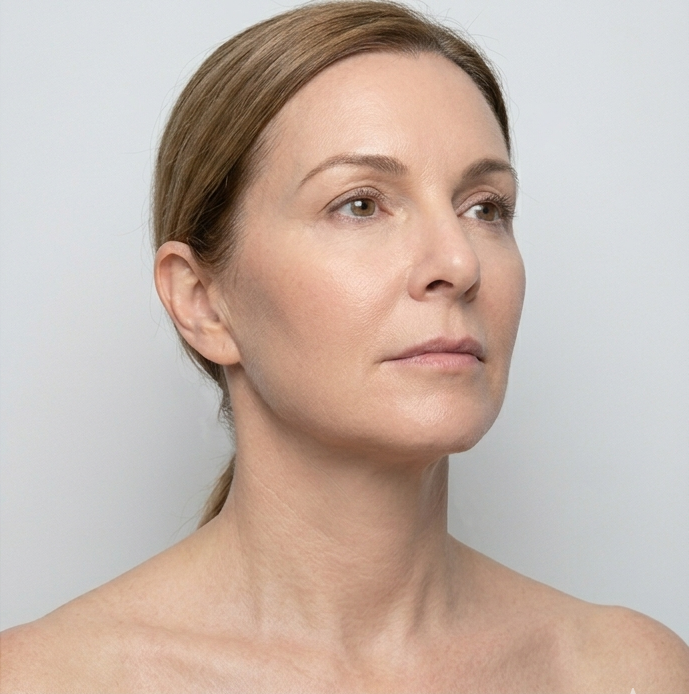
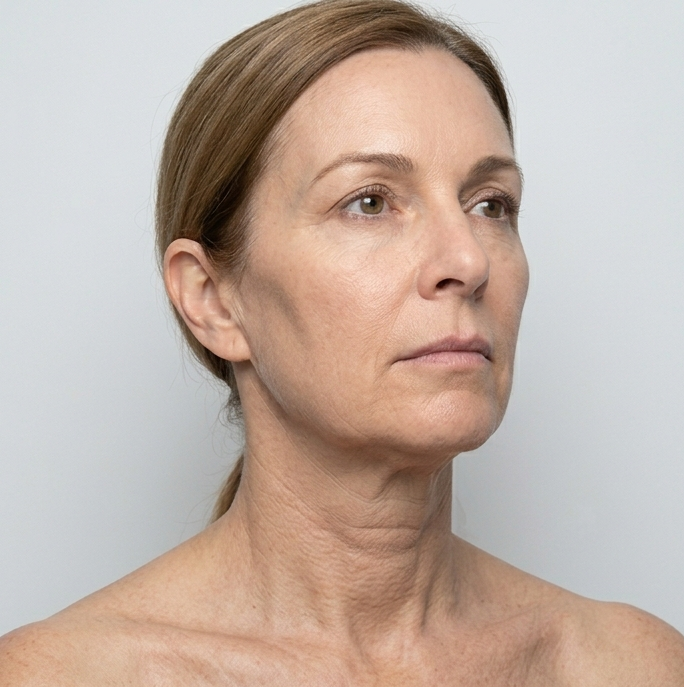
RFMN x4 + PDRN + stem cell enhancement. Cosmolaser Medical Centre, Sharjah.
Female patient, 44 years, Fitzpatrick III. RFMN x3 sessions (exosome mask + PDT each session), 6-week intervals.
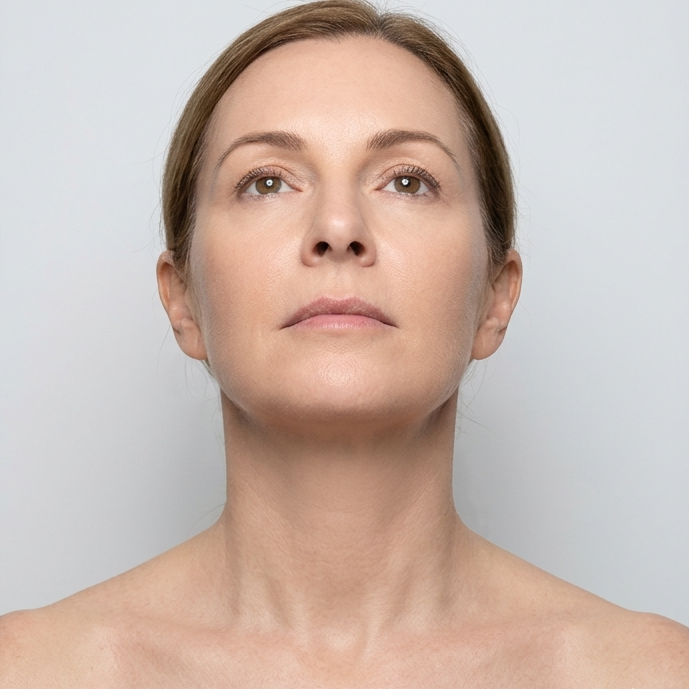
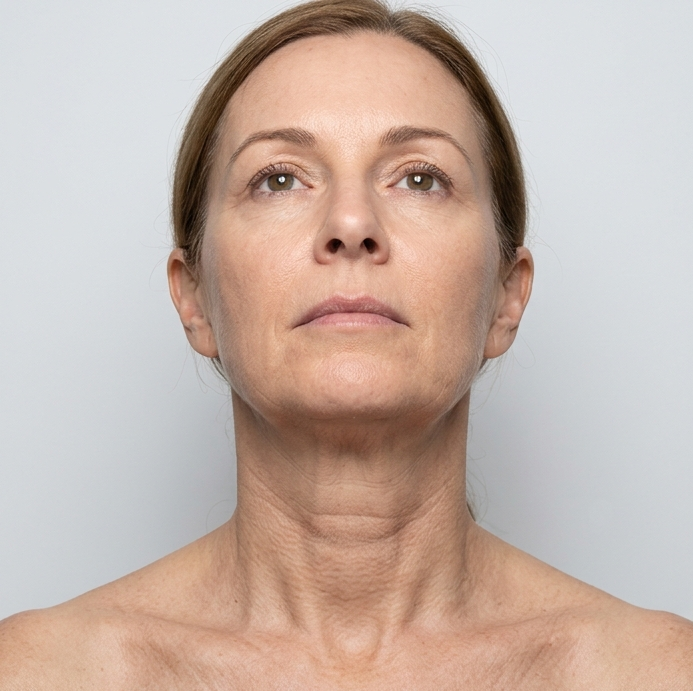
RFMN x3 + exosome mask + red light therapy. Cosmolaser Medical Centre, Sharjah.
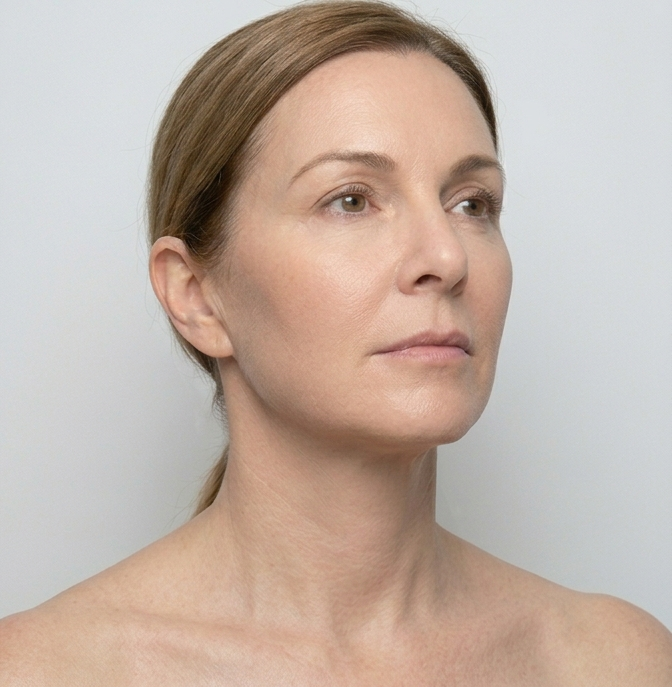
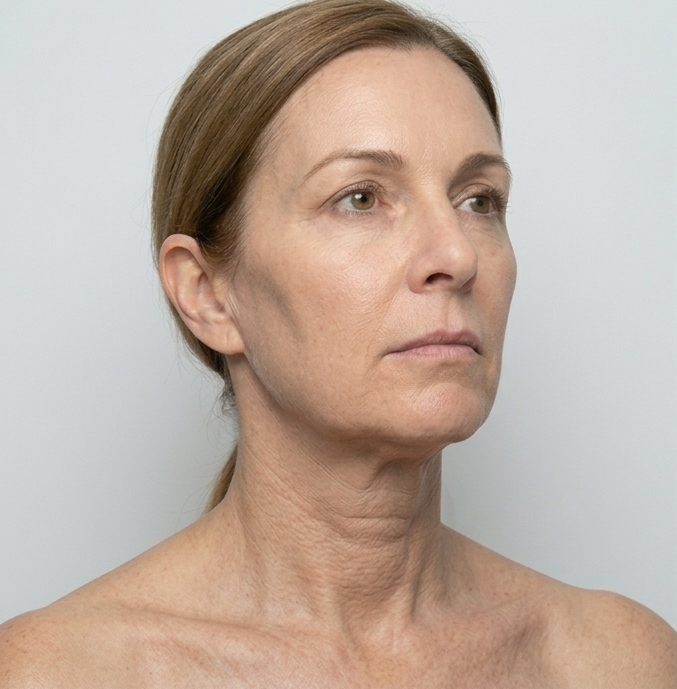
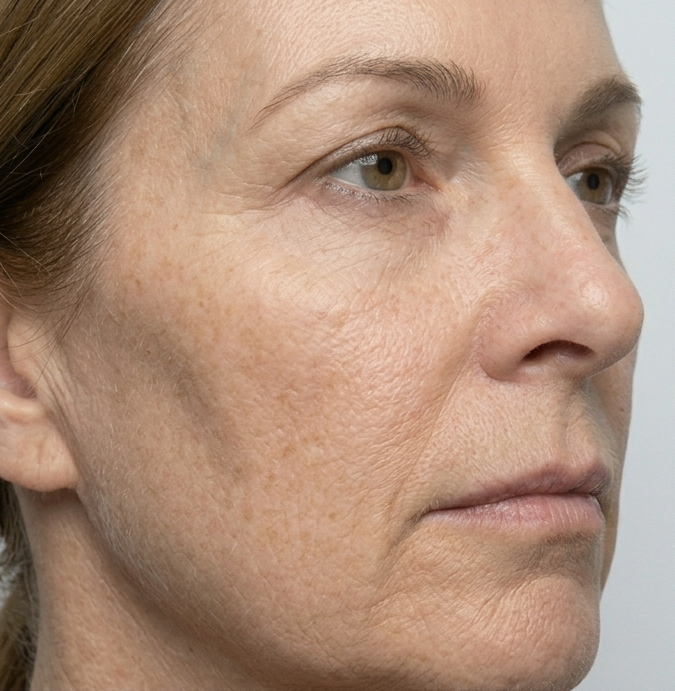
Female patient, 51 years, Fitzpatrick II. RFMN x4 sessions (stem cell + PDT), jaw and neck focus.
RFMN x4 — skin tightening, face and neck + stem cell + PDT enhancement. Cosmolaser Medical Centre, Sharjah.
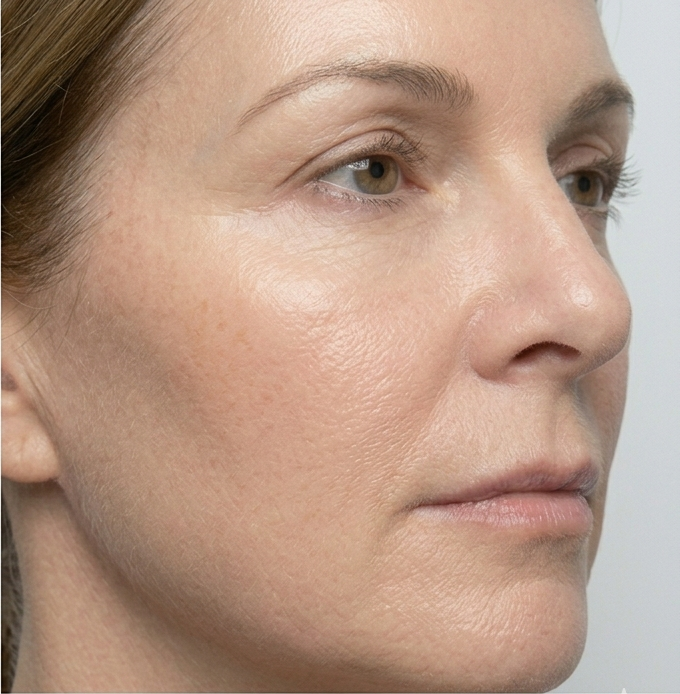
Male patient, 37 years, Fitzpatrick IV. RFMN x3 sessions (PDRN each session), cheek and nose focus.
RFMN x3 + PDRN infusion — pore refinement. Cosmolaser Medical Centre, Sharjah.
Female patient, 34 years. RFMN x5 sessions body (carboxy mask + exosome), abdomen, 6-week intervals.
RFMN x5 body — stretch marks + carboxy mask + exosome enhancement. Cosmolaser Medical Centre, Sharjah.
Message us with your skin concern and target areas. We confirm availability and advise you on what consultation to prepare for.
Fitzpatrick type documented; skin concern photographed under standardised lighting (three angles). Medical history reviewed: current medications, isotretinoin history, keloid history, pregnancy status. Enhancement options are discussed and recommended based on your skin condition and goals.
A written plan specifying needle depth, RF energy level per zone, session count, intervals, and the enhancement sequence per session. Pricing presented transparently — including standalone RFMN and each enhancement add-on.
Avoid retinoids, AHAs, and BHAs for 5 days before. Arrive with clean, makeup-free skin. Do not use active exfoliants. Ensure skin is not actively broken out in the treatment zone.
Numbing cream is applied generously to the treatment area and occluded. This is the most important comfort step — adequate anaesthetic time is essential for patient comfort during the RF delivery phase.
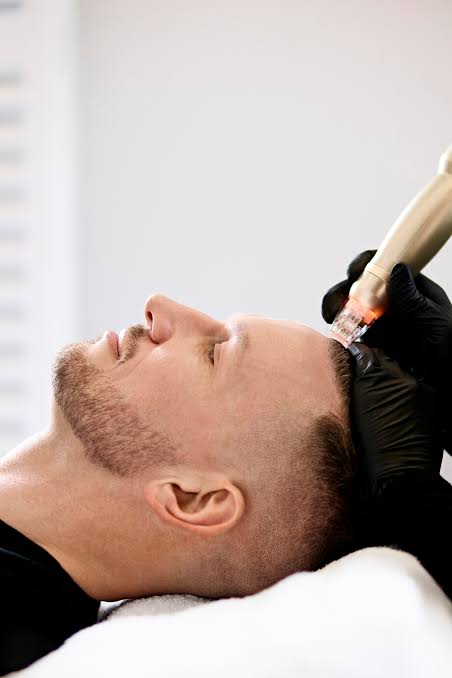
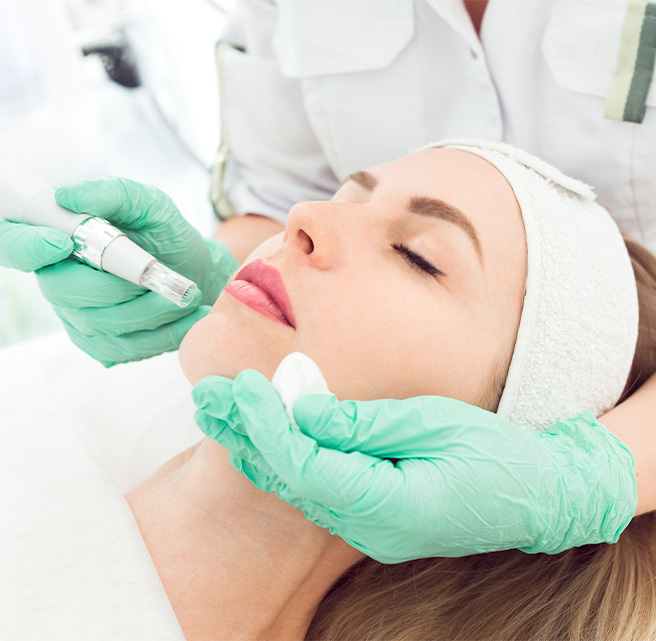
The clinician selects needle depth and RF energy per zone and makes systematic passes across the treatment area. Patients feel pressure and heat — a warm, prickling sensation through the anaesthetic. Pinpoint bleeding is expected and normal in the treated zone — it is managed in-clinic with sterile gauze. The session ends when all target zones are completed.
Immediately after RFMN, while microchannels are open, the selected enhancement serum or mask is applied to the treated surface. For red light (PDT), the LED panel is positioned above the patient for 15–20 minutes. For carboxy mask, the patch is applied and left for 20 minutes. For exosome, PDRN, or stem cell serums, the product is massaged gently into the microchannel surface and sealed with a soothing recovery mask.
Pinpoint redness and mild swelling — expected and normal. The skin feels warm and sensitive for 4–12 hours. Redness typically resolves within 24–48 hours (faster when PDT or PDRN is used). Pinpoint crust marks may be visible under close inspection for 24–48 hours.
Gentle cleanser and fragrance-free moisturiser only for 48 hours. SPF 50+ from the morning after the session. No active skincare (retinoids, acids, vitamin C) for 5 days. No makeup for 24 hours. No gym, sauna, or heavy sweating for 48 hours. Drink 1.5–2 litres of water in the 24 hours post-session.
Comparative photographs taken at 6 weeks post each session. Enhancement selection for the next session confirmed at this review. Full course assessment at 3 months post-final session — this is when maximum collagen maturation has occurred and results are most accurately photographed.
Treatment | How It Complements RFMN | Page Link |
|---|---|---|
CO2 Fractional Laser | Alternated with RFMN in the same course — CO2 provides surface ablation and resurfacing that RFMN cannot; together they cover both dermal and epidermal remodelling | /services/laser-treatments/co2-fractional-laser-sharjah/ |
Pico Laser | Addresses PIH/pigmentation component in scar patients; scheduled between RFMN sessions rather than same day | /services/laser-treatments/pico-laser-sharjah/ |
Acne Scar Treatment | Dedicated scar programme page — RFMN is featured as the primary or co-primary modality | /services/skin-treatments/acne-scar-treatment-sharjah/ |
Skin Boosters (PDRN injectable) | Injectable PDRN delivered between RFMN sessions for ongoing dermal hydration and collagen support | /services/injectables/skin-boosters-sharjah/ |
Endolaser (Endo-One) | For patients also addressing structural facial volume and tissue lifting beyond what RFMN alone achieves | /services/face-lifting/endolaser-sharjah/ |
HydraFacial | Maintenance facial between RFMN sessions — supports barrier health, hydration, and pore clarity | /services/skin-treatments/hydrafacial-sharjah/ |
We’ve gathered the most common questions to help you feel informed, confident, and ready for your journey with us.
Morpheus8 is a brand name for one specific RF microneedling device made by InMode — it is one of several RFMN platforms available globally. The underlying technology is the same: insulated microneedles delivering RF energy at calibrated dermal depths. The clinical results of RFMN are determined primarily by the clinician's parameter settings, treatment protocol, and post-procedure enhancement choices — not the brand name of the device. At Cosmolaser, our RFMN platform delivers equivalent clinical outcomes with physician-designed protocols tailored to each patient's skin type and concern.
RFMN at Cosmolaser involves approximately 1–2 days of social downtime. Immediately post-session the skin is red and slightly swollen — similar in appearance to moderate sunburn. This typically resolves within 24–48 hours. With our post-RFMN red light therapy or PDRN enhancement, many patients find redness resolves within 12–24 hours rather than the full 48. Most patients return to work and normal activities the day after treatment.
The enhancements are not required for RFMN to produce results — RFMN alone is clinically effective. However, the biological add-ons meaningfully amplify the results: the open microchannels created by the needles allow PDRN, stem cell actives, and exosomes to reach dermal depths that are completely inaccessible to standard topical application. Independent clinical studies show enhanced final collagen output and faster healing when these biologicals are combined with microneedling versus microneedling alone. We recommend them based on clinical rationale, not upselling.
Yes — this is one of RFMN's key advantages over CO2 laser. Because RFMN does not ablate the skin surface, post-treatment sun sensitivity is significantly lower than after laser. Standard SPF 50+ daily is still required, but the strict sun-avoidance period that makes CO2 laser challenging in summer is not applicable to RFMN. Patients can maintain continuous RFMN treatment year-round, including during peak summer months.
Yes, with appropriate sequencing. RFMN and injectable treatments are complementary but should not be done on the same day in the same area. A common sequencing approach is: injectable skin boosters or fillers two weeks before an RFMN session (allowing swelling to resolve), or RFMN first and injectables four weeks later once the skin is fully healed. Your clinician will design the sequence at your consultation. The two modalities address different layers and mechanisms and work synergistically in a combined programme.
For moderate acne scarring, a course of 3–5 RFMN sessions spaced 4–6 weeks apart is typical. Severe scarring may require 5–6 sessions or a combination programme alternating RFMN and CO2 laser. The full extent of improvement is assessed at 3 months post-final session as collagen maturation continues after the last treatment. We photograph at baseline and at 3 months to document the result objectively.
PDRN (polydeoxyribonucleotide) is a highly purified DNA fragment derived from salmon DNA. It activates adenosine A2A receptors in skin cells, triggering a regenerative response — upregulating collagen production, reducing post-procedure inflammation, and accelerating tissue repair. Applied through the open microchannels immediately post-RFMN, it reaches dermal fibroblasts directly and measurably enhances both the speed of healing and the final collagen output compared to RFMN without enhancement.
Exosomes are nano-scale vesicles secreted by stem cells that carry a concentrated biological payload — mRNA, microRNA, growth factors, and proteins — that function as intercellular regenerative signals. Stem cell conditioned media contains the secreted factors from stem cells but without the structured vesicle delivery system. Exosomes are generally considered more potent because the vesicle membrane protects the bioactive cargo during delivery and facilitates cellular uptake. Both are delivered through post-RFMN microchannels; exosome preparations are the premium option for patients seeking maximum regenerative output from their treatment course.
Book your RF microneedling assessment at Cosmolaser Medical Centre, Sharjah. We will design a personalised RFMN programme — with the right combination of biological enhancements — to achieve the results your skin is capable of.