Zygomatic implants are extra-long implants (typically 30–55mm) anchored in the zygomatic bone — the cheekbone — rather than the upper jaw. Because the zygoma retains excellent density regardless of dental bone loss, these implants provide immediate, stable anchorage for a fixed bridge even in cases where conventional implants are impossible without extensive grafting.
The protocol was developed for patients with severe maxillary atrophy and is now an established solution worldwide for graftless full-arch rehabilitation of the upper jaw. Surgery is performed under CBCT-guided planning; in most suitable cases a provisional fixed bridge is secured within 24–72 hours, restoring function and appearance in a single surgical phase.
Copy discipline: describe the technique factually, cite that it is “an established international protocol”, and avoid outcome guarantees. This page will face the highest MOHAP scrutiny of the three — keep every claim conservative and anatomical.
Protocol | Configuration | Indication | Provisional teeth |
|---|---|---|---|
Hybrid zygoma | 2 zygomatic (posterior) + 2–4 conventional anterior implants | 2 zygomatic (posterior) + 2–4 conventional anterior implants | 24–72 hrs in suitable cases |
Quad zygoma | 4 zygomatic implants (2 per side) | 2 zygomatic (posterior) + 2–4 conventional anterior implants | 24–72 hrs in suitable cases |
Zygoma rescue | Zygomatic anchorage after failed conventional implants/grafts | Previously failed implant treatment | Case-dependent |
Element | What it adds | Copy notes |
|---|---|---|
CBCT-guided surgical planning | In-house 3D imaging maps zygoma anatomy, sinus and orbital landmarks before surgery | Standard at Cosmolaser — but competitors outsource it; state plainly |
Sedation dentistry options | Comfort pathway for longer surgical sessions | One reassurance sentence; no anaesthesia claims beyond licensed scope |
Monolithic zirconia definitive bridge | Premium final prosthesis with prosthodontist team | One reassurance sentence; no anaesthesia claims beyond licensed scope |


Treatment: HydraFacial Acne Protocol × 1 session | Photography: immediately after treatment | Patient: Female, 24
HydraFacial Acne Protocol. Single session — immediate post-treatment photography. Visible pore clearance and reduction in inflammatory redness. Patient: Female, 24, Sharjah.
Treatment: LHA Peel Korean Glass Skin + PDT × 4 sessions (monthly) | Photography: 5 days after session 4 | Patient: Female, 31
LHA Peel Korean Glass Skin + PDT × 4 monthly sessions. Uneven tone, enlarged pores, and general dullness. Significant improvement in luminosity, pore appearance, and skin texture. Female, 31.
Treatment: Dermapen + HydraFacial × 6 monthly sessions | Photography: 4 weeks after session 6 | Patient: Female, 28
Dermapen + HydraFacial combination × 6 monthly sessions. Post-acne rolling and boxcar scars. Progressive improvement — result photographed at 4 weeks post session 6. Female, 28.
Treatment: Royal HydraFacial × 1 session | Photography: 48 hours after treatment | Patient: Female, 45
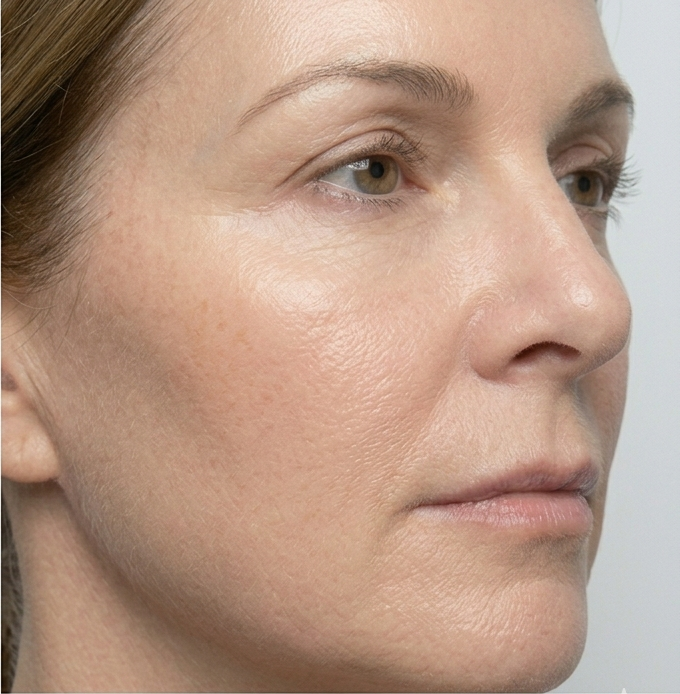
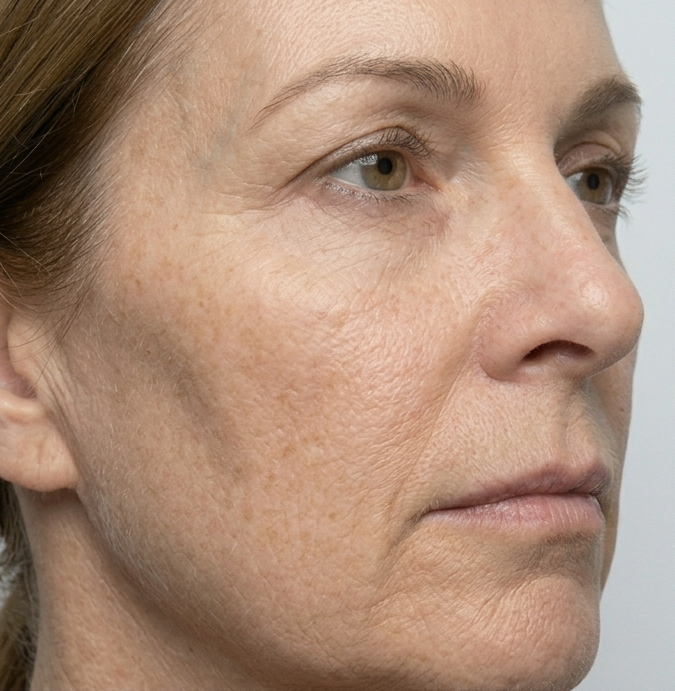
Royal HydraFacial — single session. Photography at 48 hours post-treatment. Immediate and 48-hour combined result. Female, 45. ‘My skin hasn’t looked this good in five years.
Treatment: HydraFacial Pigmentation Protocol × 6 monthly sessions | Photography: 3 weeks after session 6 | Patient: Female, 38
HydraFacial Pigmentation Protocol × 6 sessions. Sun damage and post-inflammatory hyperpigmentation. Result at 3 weeks post session 6. Female, 38, Sharjah.
Treatment: Cryofacial × 6 weekly sessions | Photography: 2 weeks after session 6 | Patient: Female, 35
Cryofacial × 6 weekly sessions for rosacea management. Significant improvement in baseline redness. Female, 35. Result at 2 weeks post final session.
Step | What happens | Copy notes |
|---|---|---|
1. Remote pre-assessment | Send existing OPG/CT via WhatsApp; implantologist reviews suitability indications | Free, no-obligation; the conversion hook for national/GCC patients |
2. Assessment visit | In-house CBCT, clinical exam, medical screening, written staged plan — one visit | Travelling patients: combine with visit 3 planning |
3. Surgery phase | Zygomatic placement under CBCT-guided protocol; provisional fixed bridge 24–72 hrs (suitable cases) | Grouped 3–5 day visit window for travelling patients |
4. Integration review | Remote + in-person review schedule | WhatsApp photo reviews reduce travel burden |
4. Integration review | Final prosthesis with prosthodontist team (~3–4 months) | Second grouped visit for travellers |


The standard pathway when bone volume permits — strong bidirectional link
Single implants for localised gaps
CBCT diagnostics page — every zygoma case begins here
We’ve gathered the most common questions to help you feel informed, confident, and ready for your journey with us.