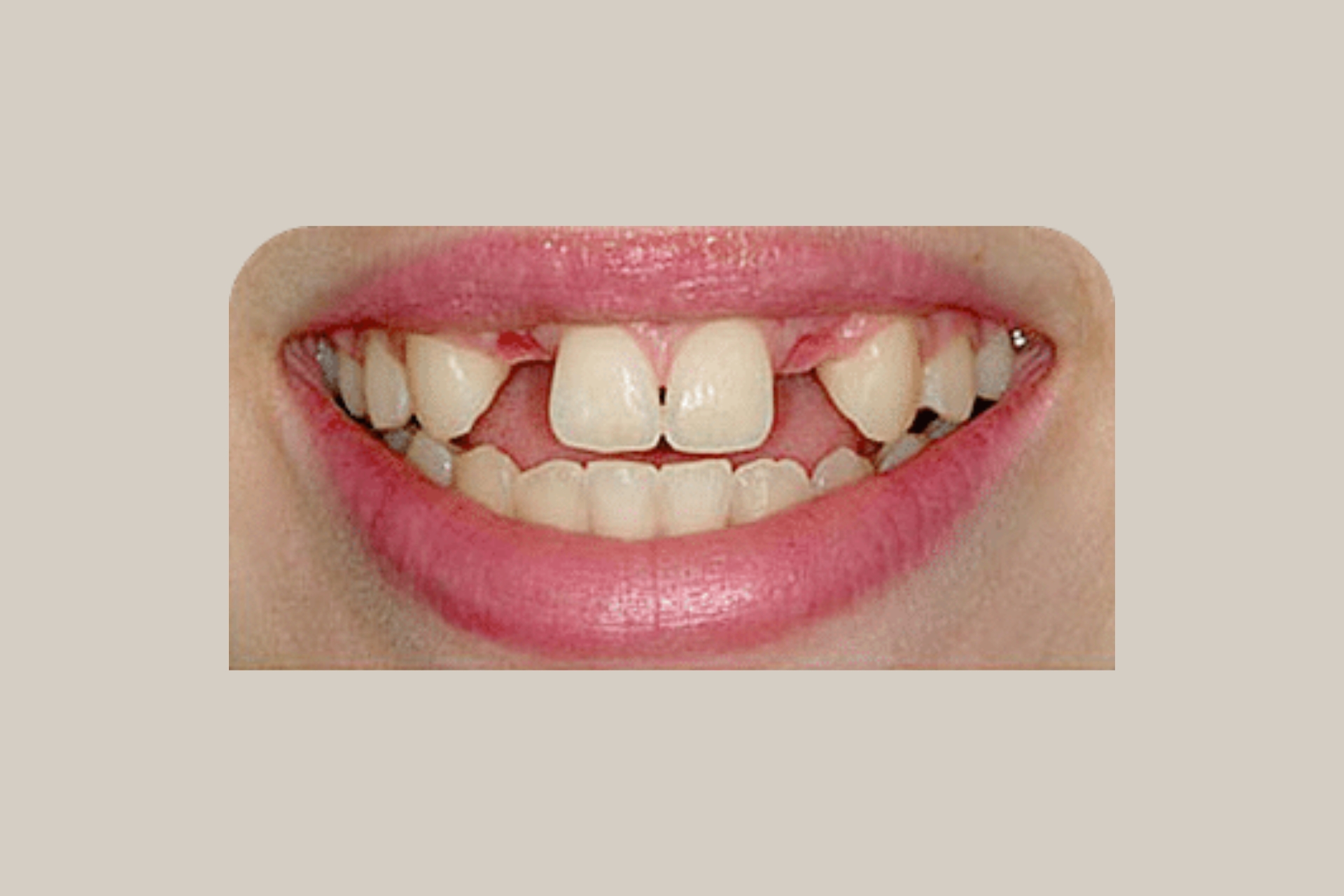
A missing tooth is not just a gap in your smile. Within months of losing a tooth, the jawbone beneath it begins to shrink — a process called bone resorption. Adjacent teeth start to drift. Bite alignment shifts. Chewing becomes asymmetric, putting strain on your remaining teeth and jaw joints.
Most patients are never told this. They’re offered a bridge or a denture — solutions that sit on top of the problem while the bone continues to deteriorate beneath. A dental implant is the only tooth replacement that addresses the root cause: it replaces the tooth root itself, stimulating the bone and stopping the resorption process entirely.
At Cosmolaser Medical Centre in Sharjah, we treat single missing teeth, multiple teeth, and patients who have lost their entire dentition. Every case is assessed with our in-house CBCT 3D scanner — the same diagnostic technology used in hospital-grade implant centres — giving your surgeon a precise three-dimensional map of your bone density and anatomy before a single incision is made.
Solution | Best For | What It Involves |
|---|---|---|
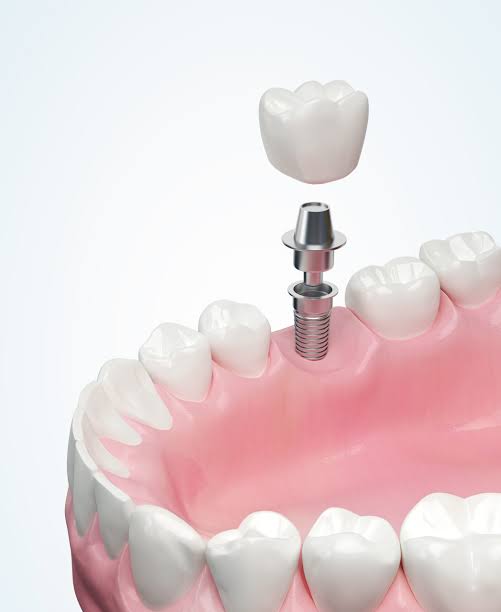
Single Tooth Implant | One missing tooth anywhere in the mouth | One titanium implant post + abutment + custom crown. Most natural-feeling tooth replacement available. |
Multiple Tooth Implants | 2–4 missing teeth (non-consecutive or consecutive) | Individual implants per tooth, or an implant-supported bridge spanning 2–4 teeth with fewer implant posts. |
All-on-4 | Full arch loss — upper or lower jaw | 4 implant posts support a full arch of fixed teeth. Same-day teeth possible. No bone graft typically needed. |
All-on-6 | Full arch — patients with more bone available | 6 implants for greater load distribution. More stable than All-on-4 for heavy bite cases. Long-term durability. |
Implant-Supported Overdenture | Full arch — budget-sensitive cases | Removable denture anchored by 2–4 implants. Eliminates denture slip. More affordable than All-on-4. |
Full Mouth Rehabilitation | Total functional and aesthetic restoration | Combination of implants, crowns, veneers, and restorations to rebuild the entire mouth — function and appearance. |
Bone Grafting | Patients with insufficient bone density | Bone graft rebuilds the implant site before placement. Sinus lift for upper jaw cases. Performed in-clinic. |
CBCT 3D Scanning | All implant patients — pre-surgical assessment | In-house 3D cone beam CT scan. Maps bone density, nerve positions, sinus floors. Essential for safe planning. |
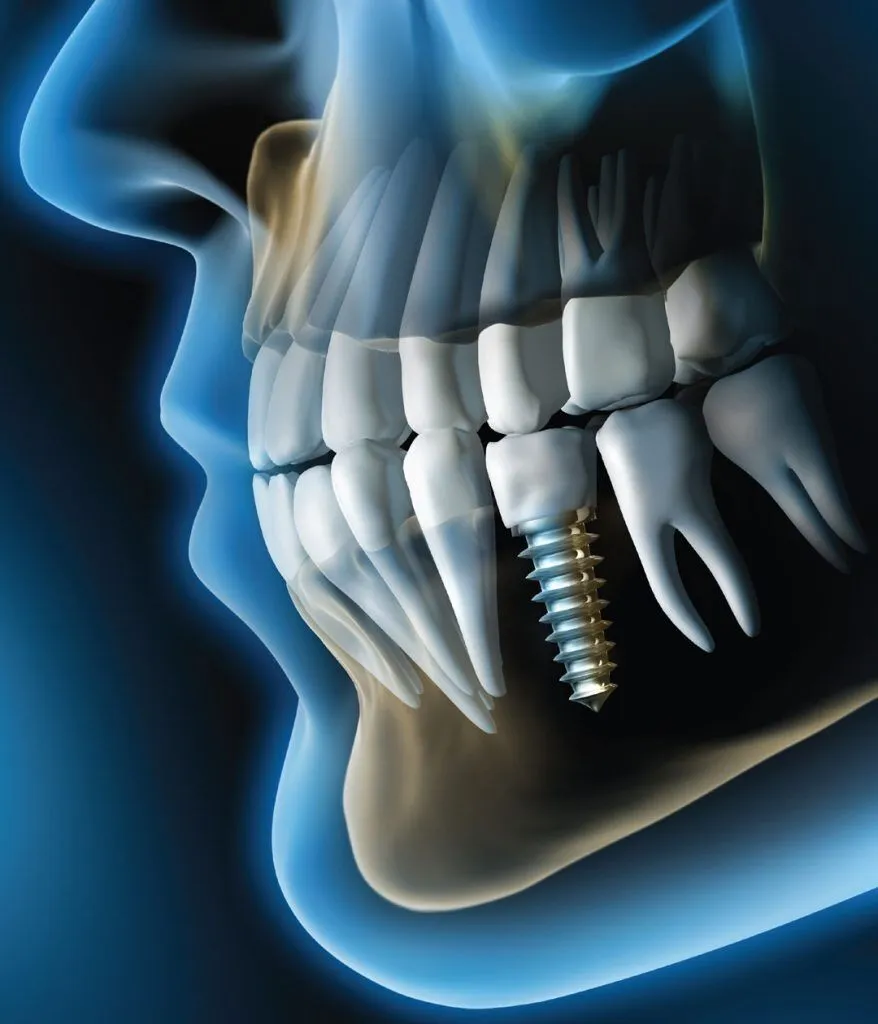
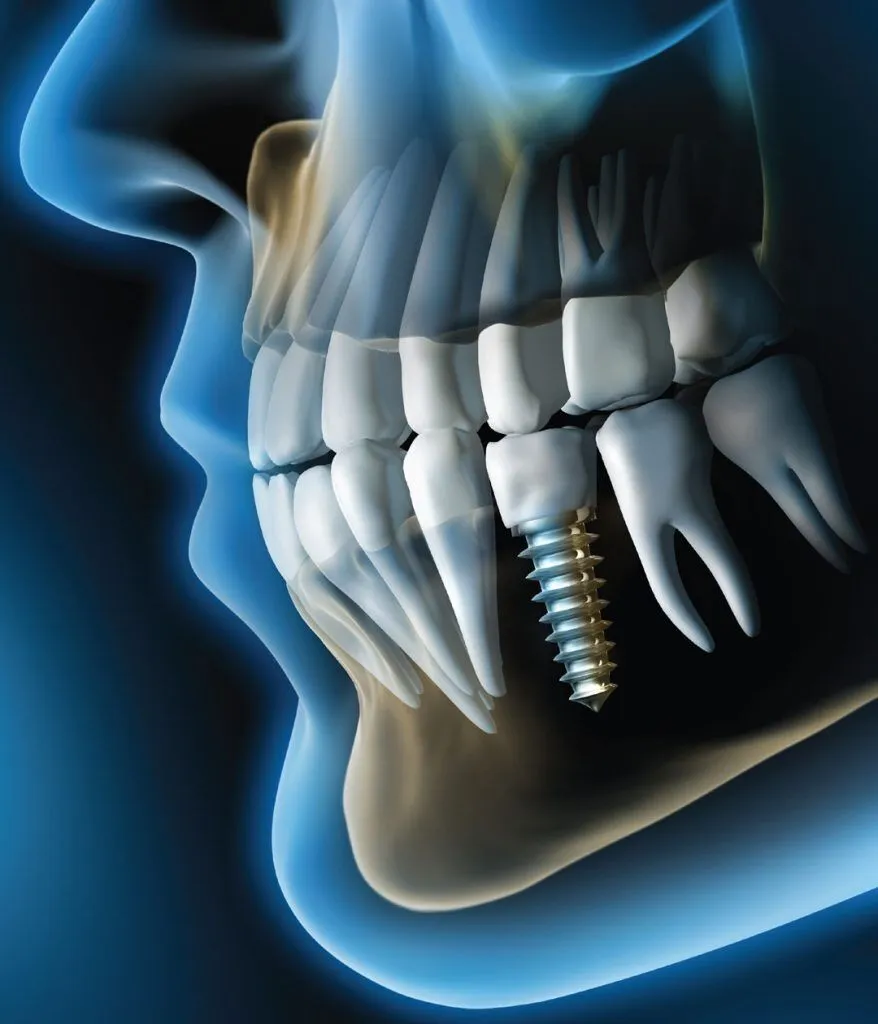
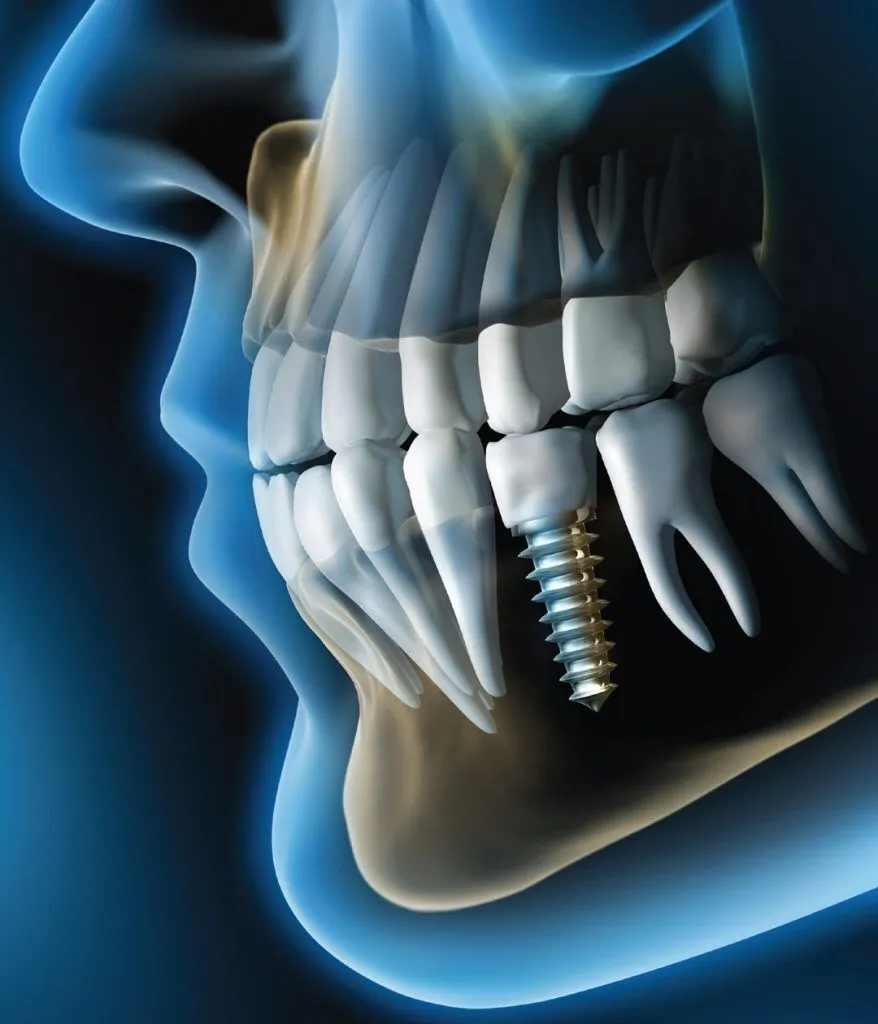
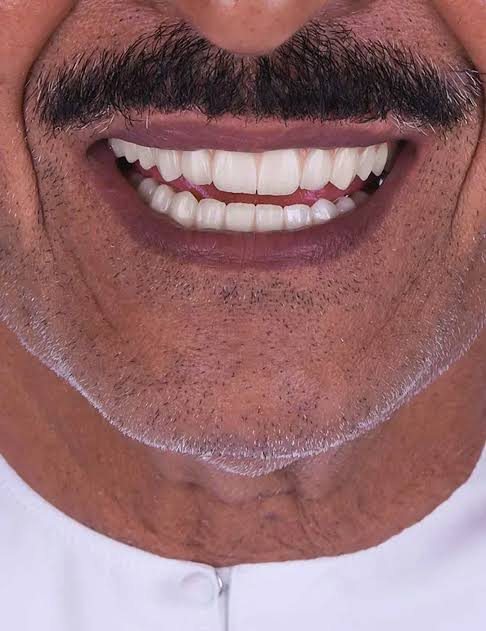
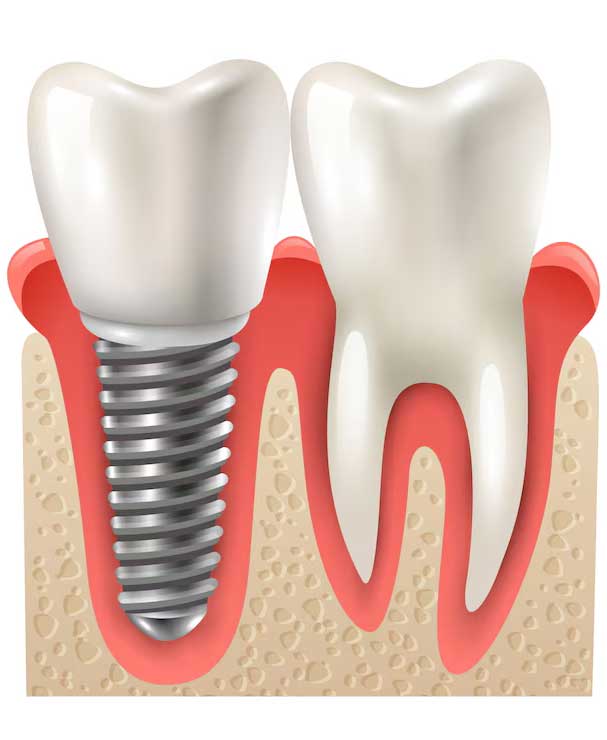
Full mouth rehabilitation — also called full mouth reconstruction — is the most comprehensive treatment in restorative dentistry. It is not a single procedure. It is a coordinated treatment plan that addresses the entire mouth: replacing missing teeth, restoring damaged ones, correcting bite alignment, and rebuilding the gum and bone foundation.
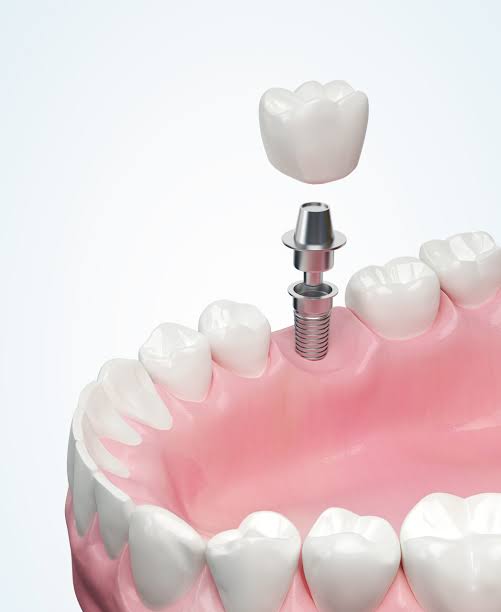
Your first visit includes a clinical examination, digital X-rays, and — for implant cases — an in-house CBCT 3D scan. Your surgeon reviews your bone volume, gum health, and medical history to determine the right implant solution for your case.
You receive a detailed treatment plan showing exactly which implants are recommended, whether bone grafting is required, estimated timeline, number of appointments, and full cost breakdown. No surprises — everything is laid out before you commit.
Some patients require preparatory work before implant placement: bone grafting to rebuild insufficient bone, tooth extractions, or gum disease treatment. This phase is completed and healed before implants are placed.
Performed under local anaesthesia. A small incision is made in the gum and a precision hole is drilled into the jawbone. The titanium implant post is placed and the gum is sutured closed. For straightforward cases, the procedure takes 30–90 minutes. You are fully numb throughout — most patients report feeling pressure but no pain.
Over 3–6 months, the jawbone grows into the surface of the titanium implant — a process called osseointegration. This creates the stable, permanent foundation for your crown or prosthesis. A temporary restoration is provided during this period.
Once the implant has integrated, a small connector post (abutment) is attached. Your permanent crown, bridge, or full-arch prosthesis — custom-made to match your natural teeth in colour and shape — is then fitted and adjusted.
A final review checks bite alignment, gum health, and implant stability. Annual check-ups are recommended. Implants can last a lifetime with proper oral hygiene and no smoking.
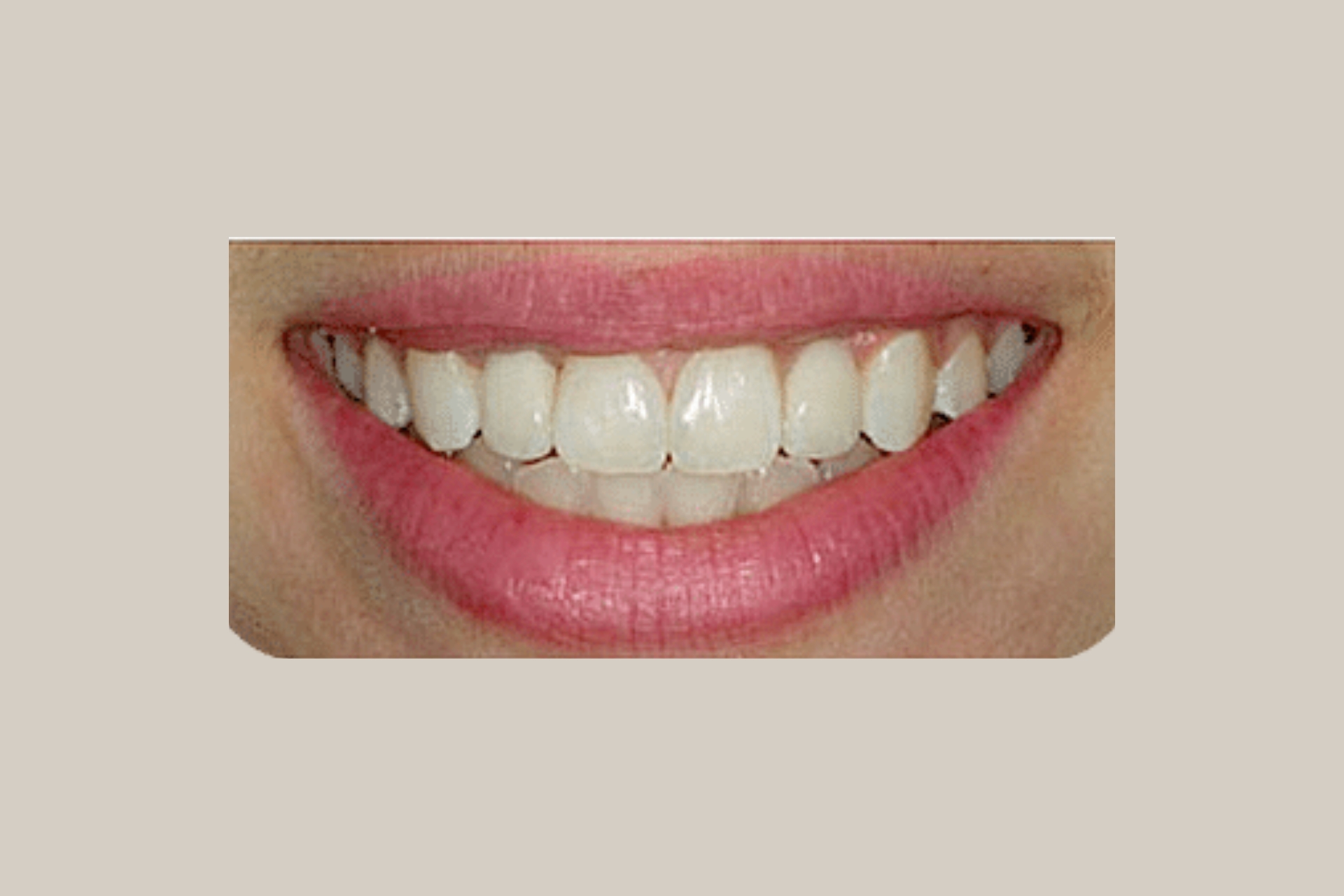
Treatment: Single implant + ceramic crown | Location: Upper front tooth | Duration: 4 months


Case Type | Typical Timeline | Key Milestones |
|---|---|---|
Single implant (good bone) | 3–5 months total | Placement → 3 months healing → crown fitting |
Single implant + bone graft | 6–9 months total | Graft → 3–4 months → placement → 3 months → crown |
Multiple implants | 4–8 months total | Staged or simultaneous placement depending on sites |
All-on-4 (same-day teeth) | 1 day for temp teeth; 6 months for final prosthesis | Placement + temp prosthesis same day · Final prosthesis after osseointegration |
All-on-6 | 6–8 months total | Placement → 4–6 months osseointegration → final arch |
Full mouth rehabilitation | 6–12 months | Phased: preparation → implants → restorations → finishing |
The most common question patients ask is: ‘Can I get teeth the same day?’ For All-on-4 cases with adequate bone — yes. A temporary fixed prosthesis is fitted on the day of surgery. The permanent final prosthesis is fitted 4–6 months later once osseointegration is confirmed.
We’ve gathered the most common questions to help you feel informed, confident, and ready for your journey with us.