Active acne is a medical condition, not a cosmetic inconvenience. At Cosmolaser Medical Centre, Sharjah, we treat every grade of acne — from mild breakouts to severe cystic acne — using a combination of clinical procedures and physician-prescribed care that addresses the root cause, not just the surface.
Acne in Sharjah and the wider UAE is shaped by a distinct set of environmental and lifestyle factors that most dermatological resources — written for temperate climates — do not account for. Understanding these factors is the first step toward effective treatment.
The UAE climate creates a cycle that is uniquely hostile to acne-prone skin. Outdoor heat and humidity cause the skin to produce excess sebum — the oily substance that, when combined with dead skin cells and bacteria, forms the foundation of every acne lesion. Patients then move indoors into heavily air-conditioned environments, where the sudden shift to cool, dry air disrupts the skin’s moisture barrier, triggering compensatory sebum overproduction. This cycle — heat-sweat-sebum outside, dry air-barrier disruption inside — repeats multiple times daily and is a direct driver of persistent acne in UAE residents.
Compounding factors specific to the region include heavy makeup use to cover blemishes (which worsens congestion), sunscreen avoidance due to a desire to avoid ‘greasy’ products in the heat (allowing UV-driven inflammation to worsen acne), and dietary patterns associated with Gulf cuisine that can elevate IGF-1 and insulin levels — both linked to hormonal acne pathways.
At Cosmolaser Medical Centre in Sharjah, we have designed our acne treatment protocols specifically around these UAE-specific triggers. Our approach combines prescription-grade topicals, clinical procedures, and lifestyle guidance calibrated to the Gulf environment — not a generic clinic protocol imported from a cooler climate.
Acne vulgaris is a chronic inflammatory skin condition affecting the pilosebaceous unit — the hair follicle and its associated sebaceous (oil) gland. It arises from the interplay of four factors: excess sebum production, abnormal skin cell shedding (follicular hyperkeratinisation), colonisation by Cutibacterium acnes bacteria, and the resulting inflammatory response.
Effective treatment must address all four of these factors — which is why single-product approaches (a salicylic acid wash, or an LED facial alone) rarely resolve moderate-to-severe acne. Our combined medical and aesthetic programme targets each pathway simultaneously.
Acne Type | Clinical Description | Primary Treatment Approach |
|---|---|---|
Comedonal (Grade 1) | Blackheads and whiteheads; non-inflammatory; blocked pores | HydraFacial, chemical peel, topical retinoids |
Mild Inflammatory (Grade 2) | Papules and small pustules; early inflammation | Chemical peel, LED therapy, topical Rx |
Moderate Inflammatory (Grade 3)
| Multiple papules/pustules; possible nodules; early scarring risk | Chemical peel + LED + prescription treatment |
Severe / Cystic (Grade 4) | Deep nodules and cysts; significant scarring risk | Medical management first; procedures once stable |
Hormonal Acne | Jawline/chin pattern; cyclical flares; adult female predominance | Hormonal assessment + combination Rx + aesthetic |
Adult-Onset Acne | Acne beginning or persisting after age 25 | Investigate triggers + combination approach |
Body Acne (Back/Chest) | Acne on trunk — often more severe and slower to heal | Body chemical peel, prescription topicals, LED |
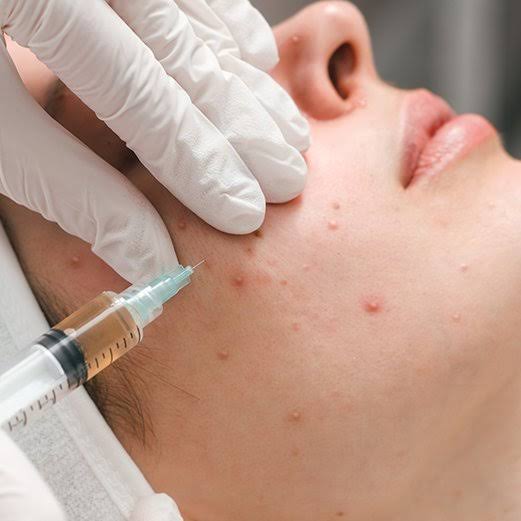
For Grade 2 and above acne, clinical treatment begins with a physician-prescribed skincare programme. Depending on your acne grade, triggers, and skin type, this may include topical retinoids (to normalise cell turnover and prevent comedone formation), topical or oral antibiotics (to reduce C. acnes colonisation and inflammation), azelaic acid or niacinamide formulations (for anti-inflammatory and post-inflammatory hyperpigmentation control), and hormonal assessment for adult female patients with a jawline/chin distribution pattern.
Prescription-grade management at Cosmolaser is overseen by a qualified clinician — not dispensed by a beauty therapist. This distinction matters: appropriate prescription treatment significantly accelerates results and prevents the scarring that inadequately treated Grade 3–4 acne almost always causes.
Suitable For | All acne grades; foundational for Grade 3–4 |
Key Agents | Retinoids, antibiotics (topical/oral), azelaic acid, niacinamide, benzoyl peroxide |
Prescription Required | Yes — physician consultation required before prescribing |
Review Frequency | Every 6–8 weeks to assess response and adjust protocol |
Downtime | None — topical side effects managed by your clinician |
Chemical peels applied at medical grade concentrations are among the most effective procedural treatments for active acne. At Cosmolaser, we use salicylic acid peels (beta-hydroxy acid — oil-soluble, penetrates sebaceous follicles to dissolve plugs), mandelic acid peels (gentler, ideal for darker Fitzpatrick skin types common in the UAE), and combination TCA/lactic peels for more advanced resurfacing in stable, non-acute acne.
Salicylic acid peels in particular are highly effective for sebum-driven acne — the acid reaches deep into the follicle to clear blockages that topical products cannot penetrate. A series of 4–6 peels spaced 2–3 weeks apart forms the core procedural component of most acne treatment programmes at Cosmolaser.
Suitable For | Grade 1–3 acne; comedonal and inflammatory types; darker skin types (with appropriate acid selection) |
Peel Types Used | Salicylic acid (15–30%), mandelic acid, lactic acid, combination peels |
Sessions Required | 4–6 peels, spaced 2–3 weeks apart |
Session Duration | 20–30 minutes |
Downtime | Mild flaking for 3–5 days; no social downtime for salicylic/mandelic peels |
Results Timeline | Reduction in new breakouts from peel 2; significant clearance by peel 4–5 |
LED phototherapy is a painless, non-invasive treatment that uses specific wavelengths of light to target acne at a biological level. Blue light (415nm) destroys Cutibacterium acnes bacteria by activating porphyrins within the bacterial cell — essentially using the bacteria’s own metabolic products against them. Red light (630nm) simultaneously reduces inflammation in surrounding tissue and stimulates healing.
Prescription-grade management at Cosmolaser is overseen by a qualified clinician — not dispensed by a beauty therapist. This distinction matters: appropriate prescription treatment significantly accelerates results and prevents the scarring that inadequately treated Grade 3–4 acne almost always causes.
Suitable For | All skin types; Grade 1–2 as standalone; Grade 3 as add-on; pregnancy-safe (blue light only) |
Wavelengths Used | Blue (415nm) — antibacterial; Red (630nm) — anti-inflammatory + healing |
Sessions Required | 6–10 sessions, 2x per week initially |
Session Duration | 20 minutes |
Downtime | None — return to normal activities immediately |
Results Timeline | Visible reduction in inflammation from session 3–4; best results at 8–10 sessions |
Cosmolaser’s HydraFacial service includes a dedicated acne protocol that combines deep pore cleansing, mechanical extraction, salicylic acid infusion, and LED phototherapy in a single session. For comedonal and Grade 1–2 inflammatory acne, the HydraFacial acne protocol offers both immediate and cumulative results — clearing visible congestion in a single session while progressively reducing breakout frequency with each visit.
Importantly, the HydraFacial extraction step is performed hydraulically — not manually — which avoids the post-extraction trauma and inflammation associated with poorly performed manual extractions (a common cause of acne worsening in non-clinical settings).
Suitable For | Grade 1–2 acne; oily and congested skin; maintenance between deeper treatment sessions |
Add-ons Available | LED phototherapy, salicylic acid booster, niacinamide serum infusion |
Sessions Required | Monthly for maintenance; every 2 weeks during active breakout period |
Session Duration | 45–60 minutes |
Downtime | None — mild flushing resolves within 2 hours |
Results Timeline | Visible pore refinement and congestion clearance after first session |
For patients with stubborn inflammatory acne that has not responded fully to topical management and peels, laser treatments offer a deeper antibacterial and sebum-suppressing action. The Nd:YAG laser (1064nm) delivers targeted photothermal energy to sebaceous glands, reducing sebum output and destroying C. acnes colonies in deeper follicular structures. The Pico laser can also address early post-inflammatory hyperpigmentation (PIH) that accompanies acne healing in darker Fitzpatrick types.
Laser acne treatment at Cosmolaser is indicated for Grade 2–3 inflammatory acne that has not cleared with first-line treatments, and for patients who are transitioning from active acne management to acne scar prevention.
Suitable For | Persistent Grade 2–3 inflammatory acne; patients with PIH; transition from active acne to scar prevention |
Laser Types | Nd:YAG 1064nm (primary); Pico laser for PIH; CO2 not used during active acne phase |
Sessions Required | 4–6 sessions, spaced 3–4 weeks apart |
Session Duration | 20 minutes |
Downtime | None — return to normal activities immediately |
Results Timeline | Visible reduction in inflammation from session 3–4; best results at 8–10 sessions |
Your Concern | Recommended Starting Point | Typical Programme |
|---|---|---|
Blackheads and blocked pores only | HydraFacial Acne Protocol | Monthly HydraFacial + salicylic peel course |
Occasional inflammatory spots | Chemical peel course + medical skincare | 4–6 salicylic peels + prescription topicals |
Regular breakouts, moderate acne | Medical management + chemical peel + LED | Prescription Rx + 6 peels + 8 LED sessions |
Severe / cystic acne | Medical management first (oral/topical Rx) | Stabilise medically before aesthetic procedures |
Hormonal acne (jawline/chin) | Hormonal assessment + combined Rx | Assess triggers + prescription + peel/laser |
Adult acne (25+), persistent | Full combination programme | Medical + peel + LED + possible Nd:YAG |
Body / back acne | Body chemical peel + prescription topicals | Dedicated body peel course |
Acne with existing dark marks (PIH) | Add Pico laser or Peel to programme | Treat active acne first, then address PIH |
Area / Profile | Common Presentation | Treatment Focus | Key Note |
|---|---|---|---|
Face — Forehead | Comedonal, teen acne, hairline congestion | Salicylic peel, HydraFacial | Often product/hair product related |
Face — Cheeks | Inflammatory papules/pustules; adult acne | Medical Rx + peel + LED | Assess phone hygiene, pillowcase frequency |
Jaw & Chin | Hormonal pattern; cyclical in adult females | Hormonal assessment + combined Rx | Most common adult female acne zone |
Back (Upper/Lower) | Inflammatory, comedonal; often worse in summer | Body chemical peel + Rx topicals | Sweat and fabric friction aggravators |
Chest | Inflammatory, comedonal; often post-summer | Body peel + LED | Sunscreen and fragrance sensitivity common |
Teenage patients | Active inflammatory acne; hormonal | LED + peel (gentle) + medical Rx | Parental consent for under-18s |
Adult patients (25+) | Persistent or new-onset adult acne | Full combination approach | Often stress + hormonal + climate triggers |
Darker skin types (Fitz. IV–VI) | Higher PIH risk; acne worsens with irritation | Gentle peels (mandelic) + LED + Pico PIH | Key population in UAE — specialist approach |
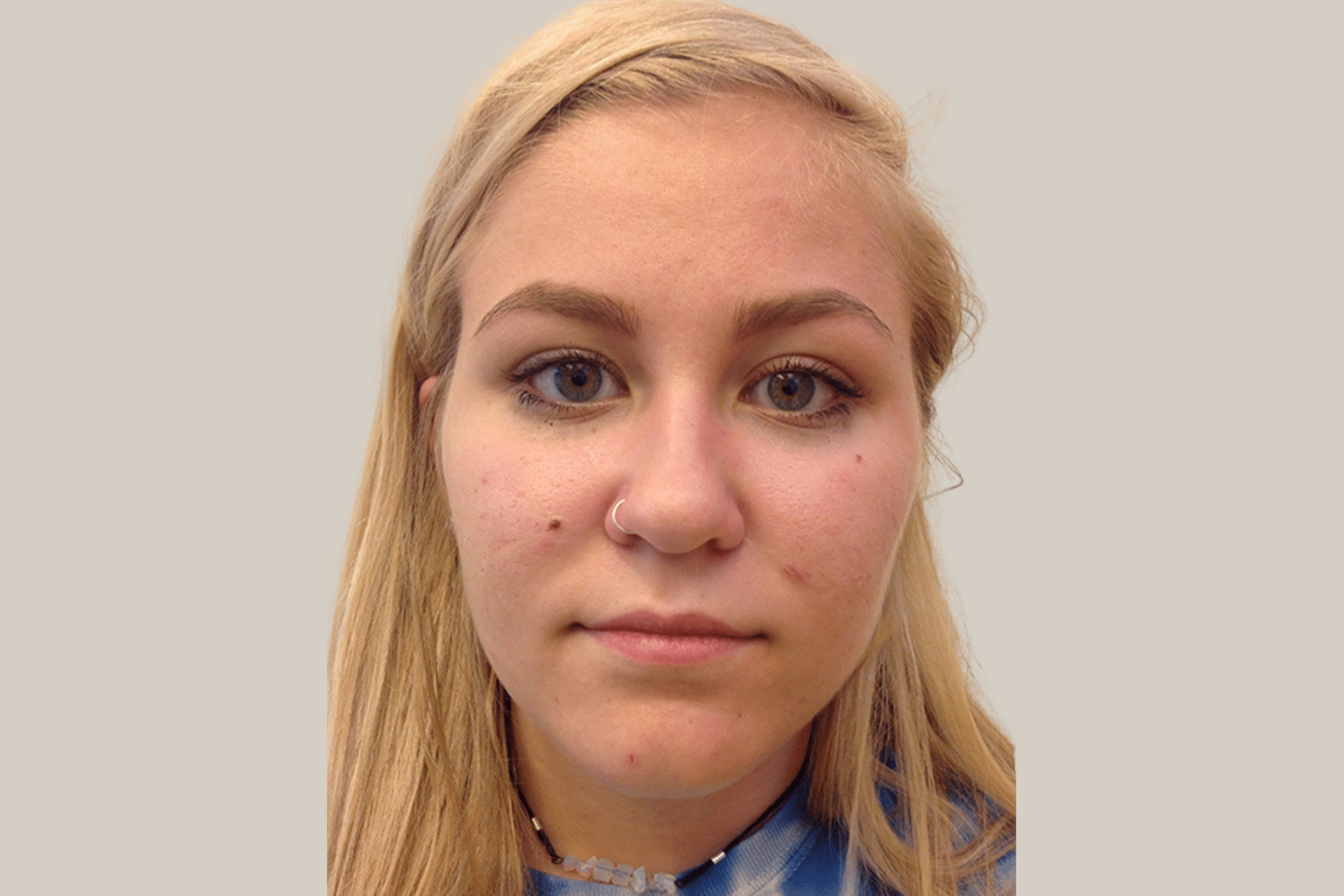
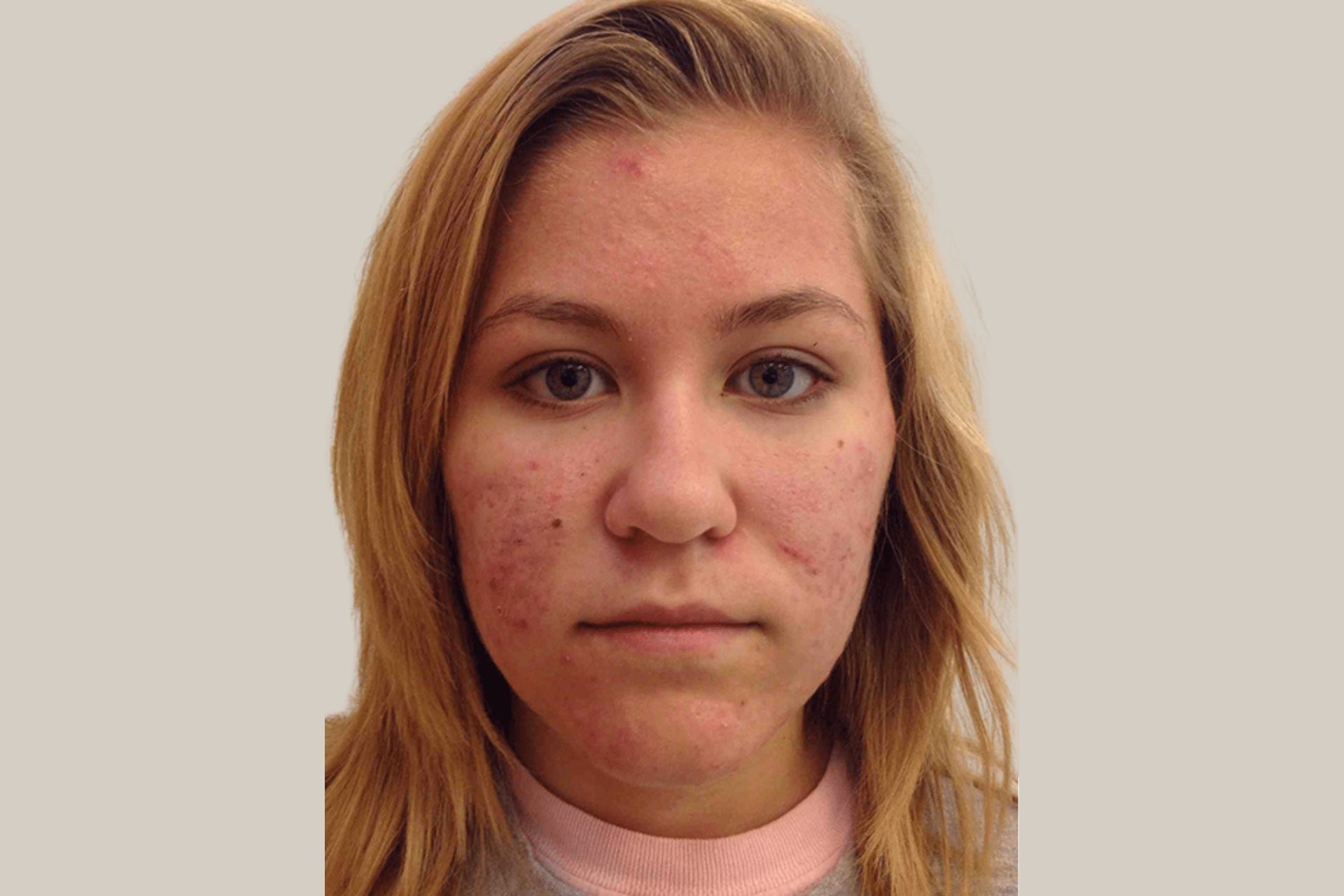
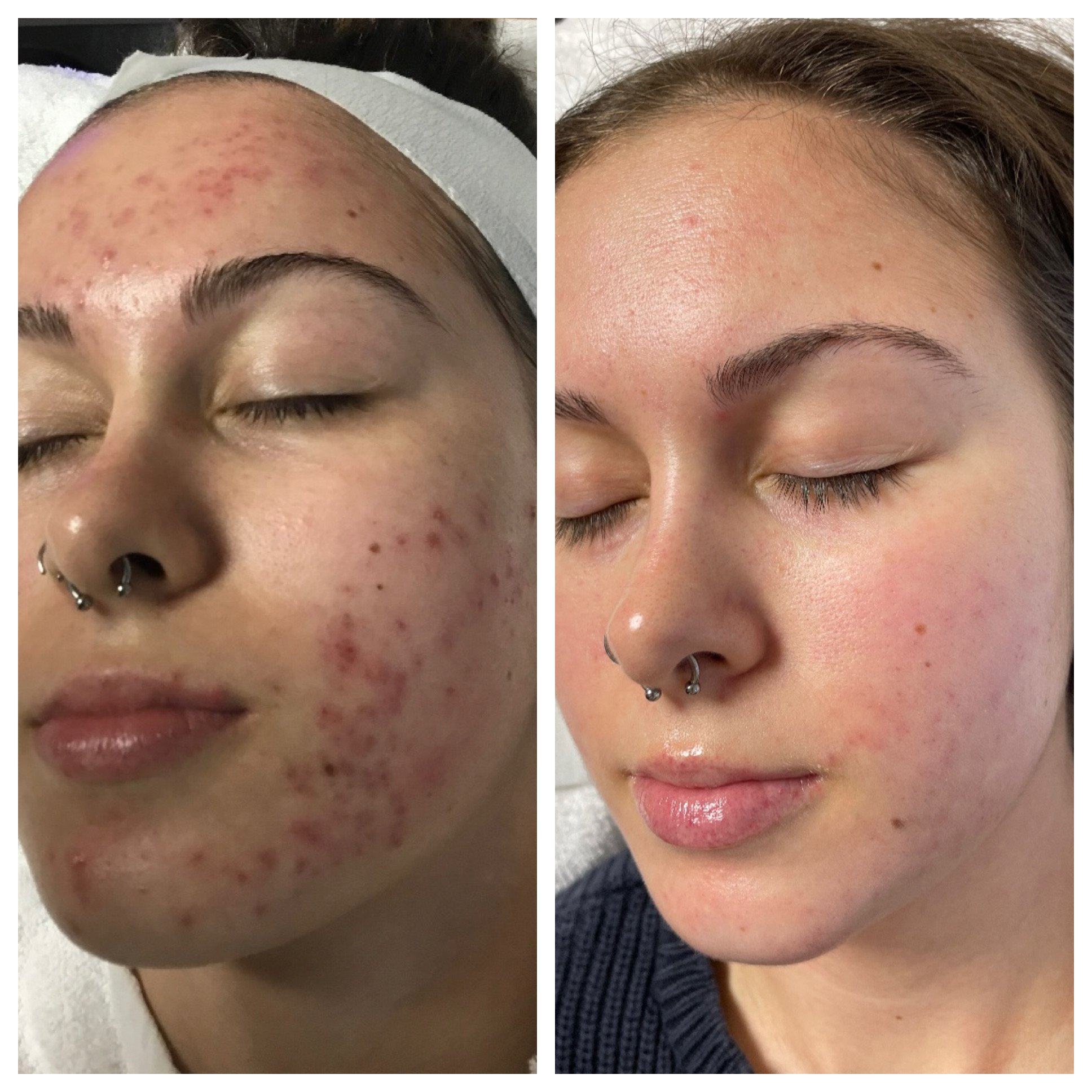
Female patient, 28 years. 6 salicylic acid peels + prescription topicals + 8 LED sessions over 14 weeks.
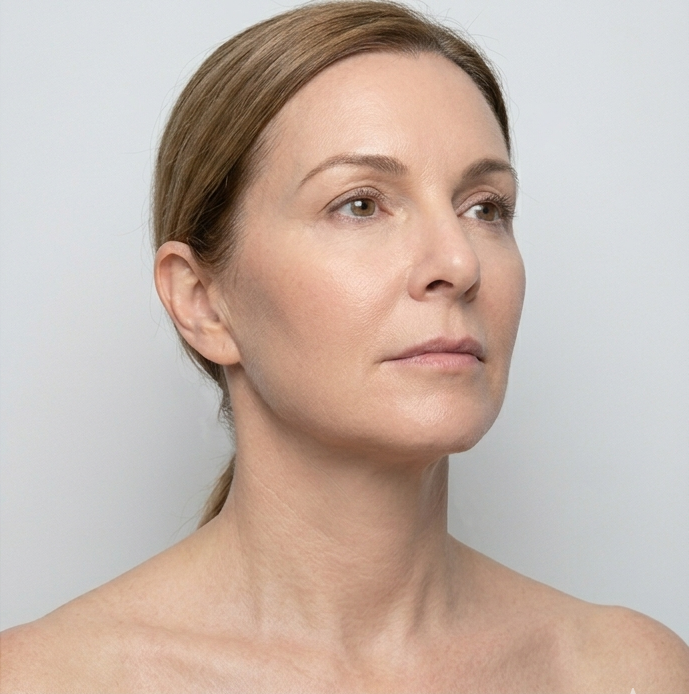
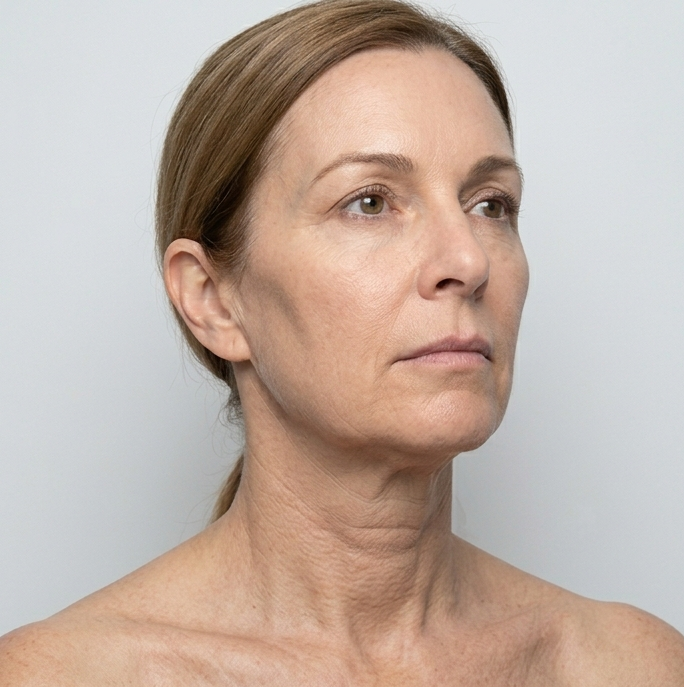
Medical acne management — salicylic peel course + LED phototherapy. Cosmolaser Medical Centre, Sharjah.
Female patient, 34 years. Hormonal assessment + combined topical Rx + 5 chemical peels over 12 weeks.
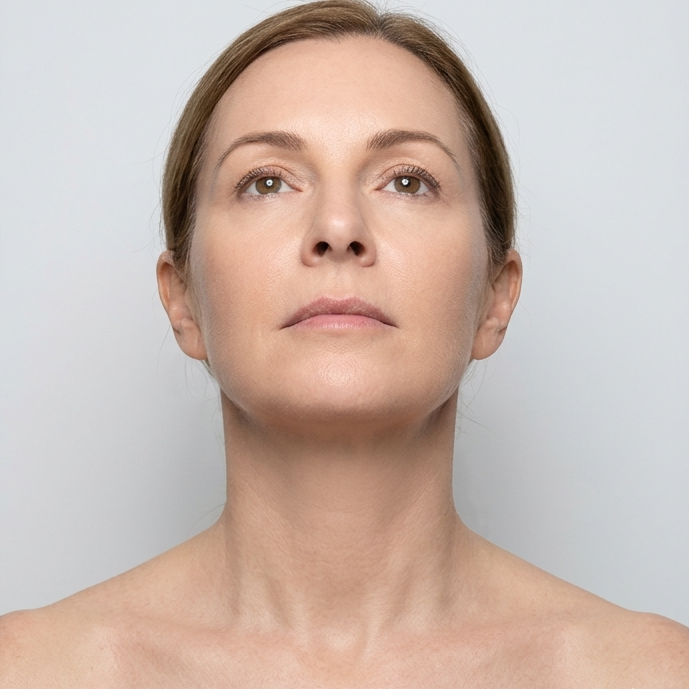
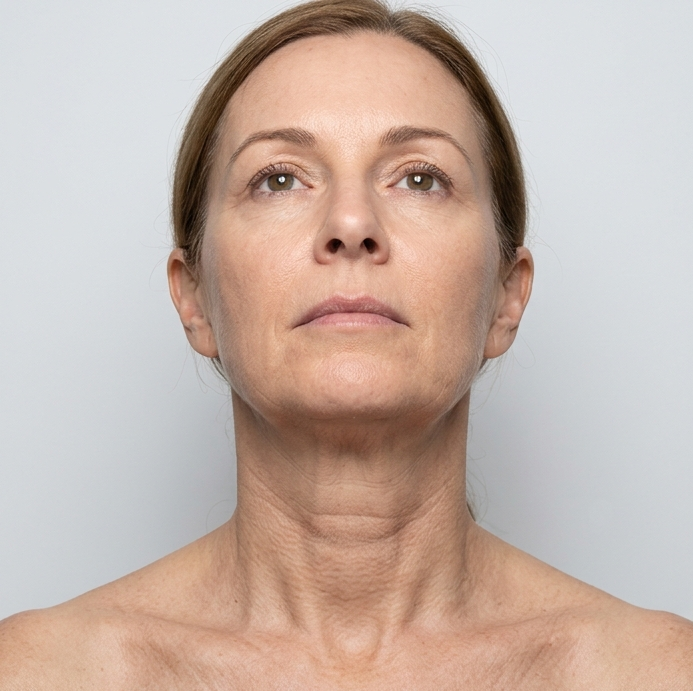
Hormonal adult acne programme. Cosmolaser Medical Centre, Sharjah.
Male patient, 17 years (parental consent documented). 6 LED sessions + gentle mandelic peel course.
Teen acne programme — LED + mandelic peel. Cosmolaser Medical Centre, Sharjah.
Male patient, 31 years. Body chemical peel course (4 sessions) + prescription topicals.
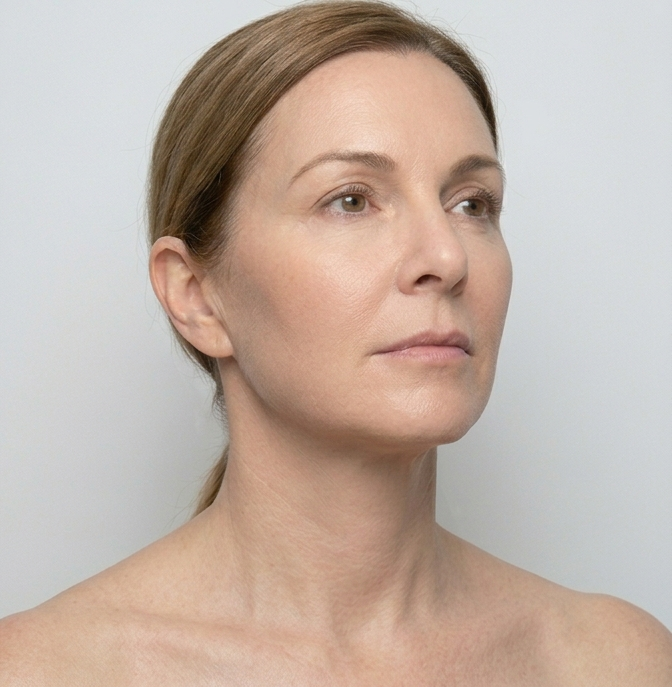
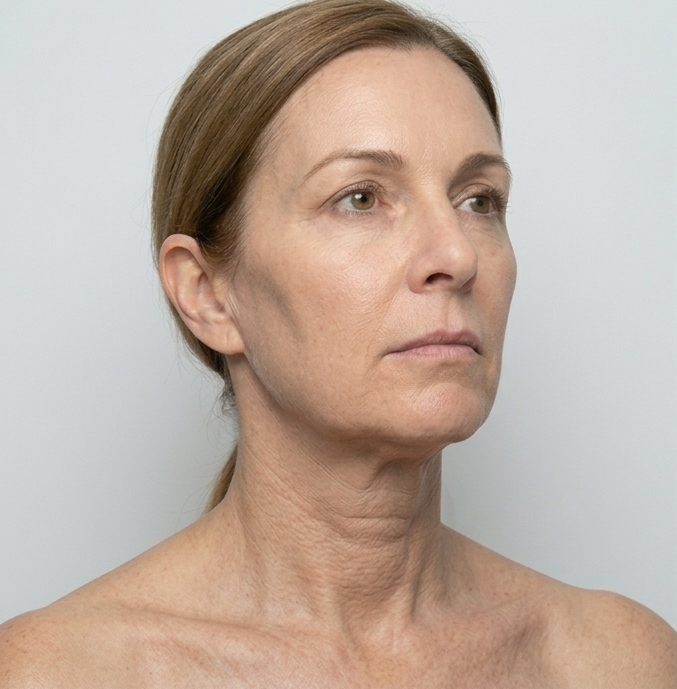
Back acne — body chemical peel programme. Cosmolaser Medical Centre, Sharjah.
Female patient, 30 years, Fitzpatrick type IV. Combination: mandelic peel + Pico laser (PIH) + LED.
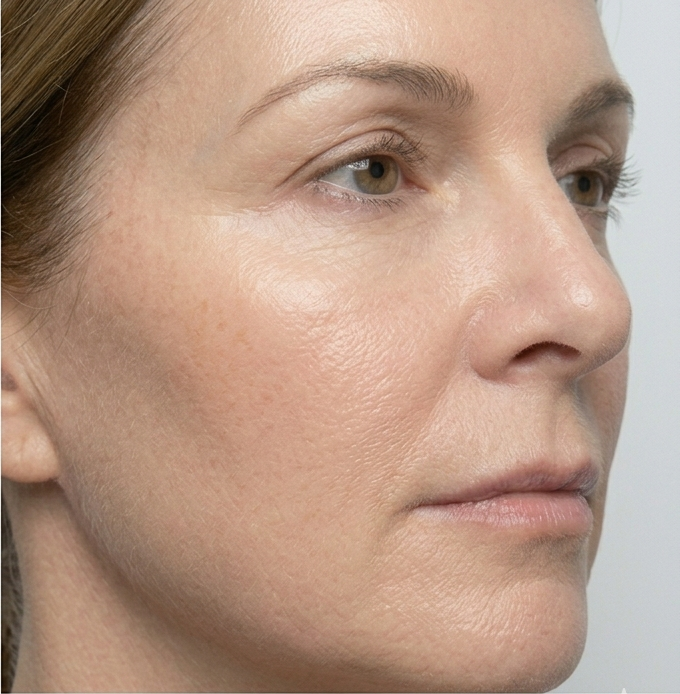
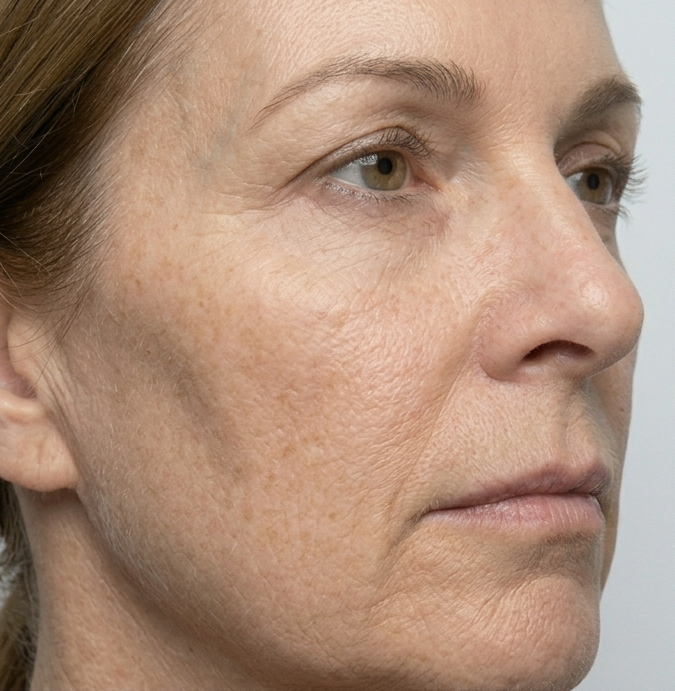
Acne + PIH combination programme. Cosmolaser Medical Centre, Sharjah.
Message us with a description of your scars — type, affected zones, and any previous treatments. We confirm availability and advise what to prepare before your consultation.
Our clinician photographs affected areas under standardised lighting (three angles), classifies each scar by type and severity per zone, reviews your Fitzpatrick skin type, acne history, and current medications. We confirm that active acne is fully controlled before discussing any procedure plan.
A written treatment plan is prepared mapping which modalities will be used for each scar zone, in what sequence, and over what timeline. Session counts, expected downtime per session, and realistic outcome expectations are presented clearly. Pricing is discussed transparently before any commitment.
Begin SPF 50+ daily — non-negotiable. Stop retinoids, AHAs, and BHAs 5 days before each session. If prescribed topical bleaching agents (for PIH), use for 4 weeks pre-laser to reduce pigmentation load. Ensure skin is not actively broken out.
Arrive with clean, makeup-free skin. Topical anaesthetic cream is applied 30–45 minutes before treatment. The CO2 laser is delivered in a systematic grid pattern across the treatment zones. The session takes 20–30 minutes once numb. A soothing post-procedure cream is applied. Aftercare instructions and a printed post-care sheet are provided.
Days 1–3: significant redness and swelling — normal. Days 2–5: skin may feel tight; a thin crust or bronzing appears. Days 3–6: skin begins to peel and flake — do not pick. Keep the area moisturised with the prescribed ointment. Absolute SPF 50+ from day 7 onwards. No makeup, exfoliants, or active skincare for 7–10 days.
Topical anaesthetic applied 45 minutes prior. The RF microneedling device is passed across treatment zones using specified needle depth and RF energy level per zone. Pinpoint bleeding is normal — this is covered and managed in-clinic. Mild swelling and redness follow for 24–48 hours.
Comparative photographs taken under identical conditions to baseline. Scar grading reassessed. Programme adjusted if needed. Patients are shown their progress images at this point — important for motivation through a long programme.
Once active acne is under control, we transition to a maintenance programme — typically monthly HydraFacial or a light peel to sustain clearance and prevent recurrence.
Treatment | How It Complements Scar Treatment | Page Link |
|---|---|---|
Acne Treatment | Active acne must be cleared first — this page is the prerequisite to scar treatment | /services/skin-treatments/acne-treatment-sharjah/ |
Pico Laser | Addresses the PIH and pigmentation component of mixed scar + dark mark cases | /services/laser-treatments/pico-laser-sharjah/ |
CO2 Fractional Laser | Detailed page for CO2 laser resurfacing — cross-link from scar treatment | /services/laser-treatments/co2-fractional-laser-sharjah/ |
Skin Boosters | Injectable hydration restores barrier after intensive laser courses; supports healing | /services/injectables/skin-boosters-sharjah/ |
Chemical Peel | Ongoing superficial resurfacing between laser sessions; PIH maintenance | /services/skin-treatments/chemical-peel-sharjah/ |
HydraFacial | Maintenance and barrier support between intensive treatment sessions | /services/skin-treatments/hydrafacial-sharjah/ |
We’ve gathered the most common questions to help you feel informed, confident, and ready for your journey with us.
Complete removal of acne scars is not achievable with any current non-surgical treatment. What laser, RFMN, and chemical peel programmes deliver is significant visible improvement — most patients achieve 50–80% reduction in scar depth and visibility over a full treatment course. Ice pick scars are the most challenging to treat fully; boxcar and rolling scars typically respond better. Our goal at Cosmolaser is the maximum clinically achievable improvement, with honest expectation-setting at assessment.
This depends on the scar type, severity, and the modalities used. A CO2 laser course for moderate boxcar scarring typically involves 3–5 sessions spaced 6–8 weeks apart. RFMN requires 3–5 sessions spaced 4–6 weeks apart. For PIH, Pico laser requires 4–6 sessions. A combination programme for mixed severe scarring may involve 9–15 total sessions over 9–12 months. Full details are provided at your assessment once your scar map is documented.
CO2 laser requires careful calibration for Fitzpatrick IV–VI skin types due to the higher risk of post-treatment hyperpigmentation. At Cosmolaser, we use fractional (not fully ablative) settings, ensure adequate pre-treatment SPF preparation, and consider RFMN as an alternative first-line for darker skin types where appropriate. We have treated a large volume of UAE-prevalent skin types and our protocols reflect this experience. Your Fitzpatrick type is assessed at consultation and is a key factor in your treatment plan.
For fractional CO2 laser at the settings used for acne scars, plan for approximately 7 days of social downtime. Days 1–3 involve significant redness and swelling. Days 3–6 involve skin bronzing and peeling. Most patients feel comfortable returning to work and social activities by day 7–8, with residual mild pinkness that can be covered with mineral makeup from day 10. Full healing and the emergence of new collagen continues over 3–6 months.
It is possible but requires careful planning. Post-CO2 laser care requires regular moisturisation and SPF application, which is manageable during fasting. The main consideration is hydration — we recommend ensuring adequate water intake during non-fasting hours to support healing. Procedures that require only 1–2 days downtime (RFMN, Pico laser) are generally more practical during Ramadan. We advise scheduling the most intensive sessions (CO2 laser) outside of Ramadan for optimal comfort.
We require acne to be clinically stable before beginning any scar treatment. 'Stable' means fewer than 2–3 minor spots per month, with no active inflammatory papules, pustules, or cysts in the treatment zone. Occasional minor comedones on already-treated areas are generally acceptable. If you are still experiencing regular breakouts, we address those first through our acne treatment programme, then begin scar management once stability is confirmed — typically after 6–8 weeks of controlled acne.
TCA Cross (Chemical Reconstruction of Skin Scars) is a targeted technique where a high-concentration TCA solution (70–100%) is applied using a fine applicator tip directly into the base of individual ice pick scars. This triggers a focused healing response that progressively fills the scar from the base upward. It is the most effective non-surgical treatment specifically for ice pick scars, which are too narrow and deep for laser alone. Two to four sessions spaced 4–6 weeks apart are typically required per scar cluster.
We recommend a minimum of 6–8 weeks of stable, acne-free skin before beginning laser or RFMN scar treatment. For patients who completed isotretinoin (Accutane/Roaccutane), the wait is 6 months minimum before any ablative or semi-ablative procedure. Chemical peels (mandelic or lactic acid at mild concentrations) can begin earlier — from approximately 4 weeks post-acne stabilisation. Your clinician will confirm readiness at your scar assessment consultation.
Book a clinical acne assessment at Cosmolaser Medical Centre, Sharjah. We will grade your acne, identify your triggers, and design a personalised medical and aesthetic programme to bring your skin back to clarity.