
TL;DR:
- Peptides can improve skin health when used under licensed clinical supervision or with high-quality topical formulations. However, most experimental injectable peptides lack robust human trials and carry safety risks, especially from grey-market products. Always consult a registered clinician, verify product provenance, and avoid unregulated injectables to ensure safety and efficacy.
Peptides can genuinely benefit skin health when delivered through regulated, clinically supervised treatments or high-quality topical formulations. Some peptide compounds have solid human clinical data behind them — notably FDA-approved peptide drugs such as insulin and GLP-1 receptor agonists — while many of the injectable peptides promoted by wellness clinics and influencers remain experimental, with limited or absent human trial evidence. The safety picture is equally uneven: regulated topical and licensed injectable products carry a well-characterised risk profile, whereas grey-market injectables carry real contamination and dosing risks that the AMA has explicitly warned patients about.
Three immediate actions:
- Consult a licensed clinician before using any injectable peptide preparation.
- Prefer products with verified provenance, batch testing, and MHRA-compliant manufacturing.
- Patch test all new topical peptide products and use SPF daily alongside them.
Table of Contents
- What peptides are and how they work in skin
- Common peptides used in dermatology and aesthetics
- How peptides are delivered: topical, injectable, oral and clinic procedures
- What the clinical evidence says — realistic outcomes and limits
- Safety, UK regulation and red flags to watch for
- How to choose a safe clinic or peptide product in the UK
- Practical guidance for at-home topical peptide use
- Typical timeline for results and what affects cost in the UK
- Complementary treatments often combined with peptides
- Summary verdict and what to do next
- Key takeaways
- A clinical perspective on peptide therapy
- Cosmolaser Medical Centre: clinically supervised aesthetic care
- FAQ
- Useful sources and further reading
What peptides are and how they work in skin
Peptides are short chains of amino acids — typically 2 to 50 residues — that act as signalling molecules, directing cells to perform specific functions such as producing collagen, modulating inflammation, or repairing the skin barrier. They sit between individual amino acids and full proteins in terms of molecular complexity, and that intermediate size is precisely what makes them interesting in dermatology: small enough to interact with cell-surface receptors, yet structured enough to carry a specific biological instruction.
In skin, the most clinically relevant mechanisms include stimulating fibroblasts to produce collagen and elastin, supporting wound healing cascades, reinforcing the epidermal barrier, and dampening localised inflammation. The distinction between a peptide as a cosmetic ingredient and a peptide as a regulated medicine matters enormously here. A palmitoyl peptide in a serum is a cosmetic ingredient subject to EU/UK cosmetics regulation; a peptide drug such as tesamorelin is a licensed medicine subject to MHRA oversight and prescription requirements. Delivery and stability are the other critical variables: peptides degrade rapidly when exposed to enzymes, heat, or an inappropriate pH, so a poorly formulated product may deliver little active compound to the dermis regardless of what the label claims.
Key mechanisms at a glance:
- Collagen and elastin stimulation via fibroblast signalling
- Epidermal barrier reinforcement through lipid and protein regulation
- Wound healing support via growth factor mimicry
- Anti-inflammatory activity through cytokine modulation
Pro Tip: Ask any clinic or brand to confirm the stabilisation method used in their peptide formulation — pH range, delivery vehicle, and packaging type are all relevant to whether the active compound survives to reach your skin.
Common peptides used in dermatology and aesthetics
| Peptide | Typical use | Delivery | Evidence level |
|---|---|---|---|
| GHK-Cu (copper peptide) | Wound healing, skin texture, anti-ageing | Topical, some injectables | Moderate — small human studies show improvements in skin texture and moisture markers |
| Palmitoyl peptides (e.g. Matrixyl) | Collagen stimulation, wrinkle reduction | Topical serums/creams | Moderate — in vitro and small human data; large confirmatory trials limited |
| Collagen peptides | Skin hydration, joint support | Oral supplement | Moderate — several randomised trials in humans |
| Antimicrobial peptides (AMPs) | Barrier defence, acne-related inflammation | Topical | Moderate for barrier; limited for cosmetic claims |
| BPC-157 | Tissue repair, tendon healing | Injectable (grey market) | Limited — largely animal data; no robust human trials |
| TB-500 / TB-4 | Angiogenesis, tissue repair | Injectable (grey market) | Limited — preclinical only; banned by WADA |
| CJC-1295 + Ipamorelin | Growth hormone release, muscle recovery | Injectable (grey market) | Limited — animal models only for musculoskeletal use |

GHK-Cu is the most studied topical peptide in aesthetic dermatology, with modest human data supporting improvements in skin appearance. BPC-157 and TB-500 are frequently discussed in performance and recovery contexts, but both remain on the WADA banned substances list and lack validated human orthopaedic data. Collagen peptides taken orally occupy a different category: as a supplement class they have a more established evidence base than most injectables, though they are subject to digestion and therefore less targeted than topical or intradermal delivery.
How peptides are delivered: topical, injectable, oral and clinic procedures
Delivery route determines how much active peptide reaches the target tissue and under what regulatory framework the product sits.
| Route | Absorption | Regulatory status (UK) | Key consideration |
|---|---|---|---|
| Topical serum/cream | Low-moderate; limited by skin barrier | Cosmetics regulation (OPSS/MHRA for borderline claims) | Formulation stability critical |
| Injectable (licensed) | High; direct tissue delivery | Prescription-only medicine (MHRA) | Requires licensed prescriber |
| Injectable (grey market) | High but unverified purity | Unregulated; not MHRA-approved | Contamination and dosing risk |
| Oral supplement | Variable; most peptides degraded in digestion | Food supplement regulation | Collagen peptides best-evidenced class |
| Clinic procedures (skin boosters, microneedling + peptide serums) | Enhanced vs OTC topical | Regulated by CQC/JCCP for practitioners | Professional delivery improves penetration |
Topical and clinic applications are more targeted for skin outcomes than oral supplements for most peptides. Oral collagen peptides are the exception: they survive digestion better than most peptide types and have accumulated a reasonable body of human trial data. For injectable preparations, the gap between a licensed product administered by a registered prescriber and a grey-market vial reconstituted at home is not merely regulatory — it is a genuine safety gap.
Pro Tip: Before any clinic procedure involving peptides, ask specifically about the product’s storage requirements and cold-chain history. A peptide that has been stored incorrectly may be inactive or, in the case of injectables, potentially harmful.
What the clinical evidence says — realistic outcomes and limits
The evidence base for peptide therapy is genuinely uneven, and understanding that unevenness protects you from both over-scepticism and over-enthusiasm.
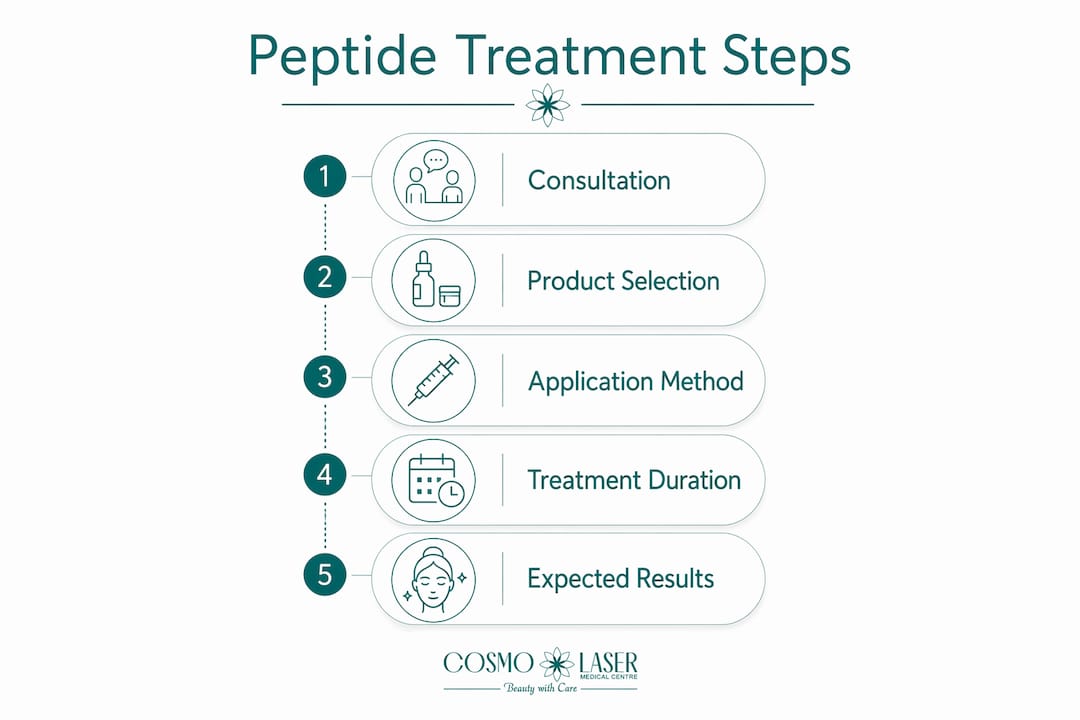
Regulated peptide medicines — insulin, GLP-1 receptor agonists such as semaglutide — are supported by large-scale human clinical trials and decades of real-world use. That evidence does not transfer to experimental injectables. For BPC-157, TB-500, and CJC-1295, the data are predominantly animal studies or small, methodologically limited human series. A clinical review in orthopaedics and sports medicine concluded that standardised dosing, clear outcome measures, and robust human trials are absent for most of these compounds.
Product quality compounds the uncertainty. Independent testing by Finnrick Analytics found that purity ranged from approximately 82% to 100% across vendor samples, and 8% of samples contained measurable endotoxin — a bacterial contaminant that can trigger serious immune reactions.
| Evidence category | Examples | Human trial quality |
|---|---|---|
| Strong | Insulin, GLP-1 agonists | Large RCTs, regulatory approval |
| Moderate | GHK-Cu (topical), collagen peptides (oral) | Small-to-medium human studies |
| Limited | BPC-157, TB-500, CJC-1295 | Animal/in vitro; minimal human data |
| Absent/preclinical | Most newer injectable peptides | No controlled human trials |
- Animal studies frequently show tissue repair effects, but these do not reliably translate to predictable human outcomes.
- Small sample sizes, lack of blinding, and inconsistent protocols limit most cosmetic peptide trials.
- For topical cosmetics, realistic expectations are modest improvements in texture, hydration, and fine lines over weeks to months — not structural rejuvenation.
Safety, UK regulation and red flags to watch for
The MHRA regulates peptide compounds as either licensed medicines (requiring a prescription and a registered prescriber) or, where they are marketed as cosmetics or supplements, under separate product safety frameworks. Grey-market injectable peptides fall outside both categories. The FDA removed compounding permissions for several widely used peptide injections in 2023 due to impurity and immune reaction risks — a regulatory precedent that reflects the same concerns the MHRA holds about unverified injectables in the UK.
Independent laboratory analysis found that 8% of tested peptide samples contained endotoxin contamination, underscoring why provenance and batch testing are non-negotiable for any injectable preparation.
Red flags to recognise immediately:
- “For research use only” labelling used as a marketing device to sidestep medicines regulation
- No batch testing certificate or sterility documentation available on request
- Vague or overseas-only provenance with no UK-registered supplier
- Claims of curing multiple unrelated conditions simultaneously
- Sellers offering to reconstitute syringes without a prescription or clinical consultation
- Pricing that is dramatically below the cost of pharmaceutical-grade manufacturing
Safety checklist for consultations:
- Confirm the prescriber holds a current registration with the GMC, NMC, or GPhC
- Request the product’s Certificate of Analysis (batch testing and purity)
- Ask for written informed consent documentation and an adverse-event reporting pathway
- Verify the product is stored and transported within the manufacturer’s specified temperature range
Pro Tip: Athletes should note that BPC-157 and TB-500 appear on the WADA prohibited list. Using them, even under clinical supervision, carries regulatory and career consequences in competitive sport.
How to choose a safe clinic or peptide product in the UK
Choosing a clinic for any peptide-related treatment requires the same diligence you would apply to any prescription procedure.
- Verify clinician registration. The prescriber must be registered with the GMC, NMC, or GPhC. Check the relevant register directly — do not rely on a clinic’s own statement.
- Request a written treatment protocol. A reputable clinic will document the peptide used, dose, frequency, expected outcomes, and follow-up schedule before treatment begins.
- Ask about product provenance. Where is the product manufactured? Is it a licensed medicine or a cosmetic ingredient? Can you see the Certificate of Analysis?
- Confirm informed consent procedures. Written consent, including a clear explanation of the evidence base and known risks, is a minimum standard for any injectable treatment.
- Check adverse-event reporting. The clinic should have a documented process for reporting and managing adverse reactions, including referral pathways.
Understanding the role of licensed aesthetician treatments in a clinical pathway helps you ask the right questions before you book.
Decline and walk away if you encounter:
- Pressure to purchase multiple sessions upfront before a consultation
- Home reconstitution of injectable peptides offered as a service
- No written treatment plan or consent form
- Pricing that cannot be itemised or explained
Practical guidance for at-home topical peptide use
Topical peptide products — serums, creams, and eye treatments — are the safest entry point for most people exploring the benefits of peptides at home. Used correctly, they carry a low risk profile and can deliver measurable improvements in skin texture and hydration over consistent use.
Do this checklist:
- Patch test every new product on the inner forearm for 48 hours before facial application
- Introduce one new peptide product at a time, waiting two weeks before adding another
- Store products according to label instructions; some formulations require refrigeration after opening
- Apply SPF 30 or higher every morning — peptides that stimulate cell turnover increase photosensitivity
- Check expiry dates; peptide stability degrades over time, particularly in poorly sealed packaging
For those interested in a topical option, a peptide anti-ageing serum can be a practical starting point before committing to a clinical procedure.
Formulation and layering notes:
- Apply peptide serums to clean, slightly damp skin before heavier moisturisers
- Avoid layering directly with high-concentration AHAs or BHAs in the same step — acids can degrade peptide bonds; use them at different times of day
- Retinoids and peptides are generally compatible when used in separate steps; introduce retinoids gradually if you are new to them
Defer to a clinician if you have broken or compromised skin, are pregnant or breastfeeding, or are immunosuppressed — these conditions change the risk profile for any active ingredient.
Pro Tip: Packaging matters as much as formulation. Peptides in opaque, airless pump dispensers retain potency significantly better than those in open-top jars exposed to air and light.
Typical timeline for results and what affects cost in the UK
Realistic expectations prevent disappointment and help you evaluate whether a treatment is working.
Typical timelines:
- Topical peptide serums may show visible improvements in hydration and texture after several weeks of consistent use; fine line reduction usually takes longer
- Professional clinic procedures (skin boosters, microneedling with peptide serums): initial results visible at 2–4 weeks post-treatment; optimal outcomes usually after a course of 3 sessions
- Injectable peptide therapy (licensed, clinician-supervised): timelines vary by compound and indication; no standardised benchmarks exist for most experimental peptides
| Treatment type | Typical visible change | Evidence confidence |
|---|---|---|
| Topical peptide serum | 4–12 weeks | Moderate |
| Professional skin booster | 2–4 weeks per session | Moderate |
| Oral collagen peptides | 8–12 weeks | Moderate |
| Experimental injectable | Unknown / variable | Low |
Cost in the UK is shaped by product quality, the number of sessions required, clinician seniority, clinic location, and whether combination treatments are included. The cost of a single professional skin booster session varies widely depending on the product and clinic. Topical serums vary widely; pharmaceutical-grade formulations cost more than mass-market alternatives, and that price difference usually reflects genuine differences in stability and active concentration.
Ask any clinic for an itemised cost breakdown covering the initial consultation, each treatment session, follow-up appointments, and the revision policy if results are unsatisfactory.
Complementary treatments often combined with peptides
Peptides rarely deliver their best results in isolation. Clinicians frequently combine them with procedures that improve penetration, stimulate collagen through independent mechanisms, or resurface the skin to enhance the overall outcome.
Commonly combined treatments:
- Radiofrequency microneedling: creates micro-channels that improve peptide serum absorption while independently stimulating collagen via controlled thermal injury
- Collagen biostimulators: injectable agents that trigger a sustained collagen production response, complementing peptide signalling at the fibroblast level
- Chemical peels: resurface the stratum corneum, improving topical peptide penetration in subsequent applications
- Laser treatments: target pigmentation, texture, and laxity through photothermal mechanisms that work alongside peptide-driven repair
The clinical rationale for combination therapy is additive stimulation: each modality triggers collagen production or barrier repair through a different pathway, and the combined effect tends to exceed what either achieves alone. Sequencing matters, though. Applying a peptide serum immediately after a chemical peel or laser session, for instance, requires clinical judgement about barrier integrity and inflammation status.
Combining treatments without clinical coordination increases the risk of over-stimulation, prolonged downtime, and unpredictable inflammatory responses. A qualified clinician should define the sequence, interval, and monitoring protocol before any multi-modality course begins.
Summary verdict and what to do next
Peptides are a legitimate and increasingly well-understood class of compounds in aesthetic dermatology — but the evidence is stratified. Topical formulations containing GHK-Cu and palmitoyl peptides have modest human data supporting skin texture and hydration improvements. Oral collagen peptides have a reasonable supplement evidence base. Injectable experimental peptides, by contrast, lack standardised dosing, robust human trials, and in many cases verified purity. The safety risk from grey-market injectables is real, not theoretical.
Next steps:
- Book a consultation with a GMC-, NMC-, or GPhC-registered clinician before pursuing any injectable peptide treatment
- Request batch testing documentation and a Certificate of Analysis for any injectable product
- Avoid grey-market injectables entirely; the contamination and immune-reaction risks are not justified by the current evidence base
- Report any adverse reactions to the MHRA via the Yellow Card scheme and retain your treatment records
Pro Tip: Keep a dated photographic record before and after any peptide treatment course. It gives you objective evidence of change and helps your clinician adjust the protocol at review.
Key takeaways
Peptides can benefit skin in specific, evidence-backed ways, but safety and regulatory status must be verified before any injectable treatment is considered.
| Point | Details |
|---|---|
| Evidence is stratified | Topical and oral collagen peptides have moderate human data; most injectable experimental peptides do not. |
| Grey-market risk is measurable | Independent testing found purity ranging from approximately 82% to 100% and 8% of samples with endotoxin contamination. |
| Regulation defines safety | MHRA-licensed injectables require a registered prescriber; grey-market products carry unverified purity and dosing risks. |
| Realistic timelines matter | Topical serums require 4–12 weeks of consistent use; professional procedures typically need a course of 3 sessions. |
| Cosmolaser Medical Centre | Offers clinically supervised aesthetic treatments with qualified practitioners and evidence-based protocols for skin rejuvenation. |
A clinical perspective on peptide therapy
The conversation around peptides in aesthetics has moved faster than the evidence, and that gap creates real risk for patients. The compounds that attract the most social media attention — BPC-157, TB-500, CJC-1295 — are precisely the ones with the weakest human clinical data and the highest sourcing risk. Meanwhile, the peptides with genuine evidence behind them (topical copper peptides, collagen supplements, licensed injectable medicines) receive comparatively little attention because they cannot be sold with dramatic transformation claims.
What concerns me most is not the peptides themselves but the context in which many patients encounter them: online storefronts, influencer endorsements, and wellness clinics operating without the prescribing infrastructure to manage adverse events. The AMA’s guidance is clear — consult a licensed clinician before using any injectable peptide — and that advice exists because the consequences of contaminated or misdosed injectables can be serious and difficult to reverse.
The right approach is to start with what is well-evidenced, use regulated products, and work with a clinician who can define measurable outcomes before treatment begins. That is not a conservative position; it is the only position that protects the patient while the evidence base catches up with the market.
Cosmolaser Medical Centre: clinically supervised aesthetic care
Patients who want to explore peptide-based skin treatments without the risks of unregulated products have a clear alternative: a consultation with a qualified clinical team who can assess your skin, recommend evidence-based options, and deliver treatments under proper medical oversight.

Cosmolaser Medical Centre offers a range of clinically supervised skin rejuvenation treatments delivered by qualified doctors and specialists with experience in aesthetic medicine and dermatology. Whether you are considering professional skin boosters, combination procedures, or simply want an honest assessment of which topical peptide products are worth your investment, the clinic provides a structured consultation pathway with written protocols, informed consent, and documented outcomes. For patients in Sharjah and the wider UAE, this means access to the same standard of clinical rigour that UK-trained practitioners apply, without the grey-market risks that come with self-sourced injectables.
Book a consultation at Cosmolaser Medical Centre to discuss your skin goals and receive a personalised, evidence-based treatment plan.
FAQ
Are peptides safe to use on skin?
Topical peptide products are generally well-tolerated with a low risk profile when patch tested and used as directed. Injectable peptides carry significantly higher risks if sourced from unregulated grey-market suppliers, including contamination and immune reactions.
What do peptides actually do for skin?
Peptides act as signalling molecules that can stimulate collagen and elastin production, support barrier repair, and modulate inflammation. Human evidence is strongest for topical copper peptides (GHK-Cu) and oral collagen peptides.
How long do peptide treatments take to show results?
Topical peptide serums typically show visible improvements in texture and hydration within 4–12 weeks of consistent use; fine line reduction usually takes longer. Professional clinic procedures generally need a course of 3 sessions for optimal outcomes.
Are injectable peptides legal in the UK?
Licensed peptide medicines are available in the UK on prescription from a registered clinician. Grey-market injectable peptides sold online without prescription fall outside MHRA regulation and are not approved for clinical use; their legal and safety status is distinct from licensed medicines.
What should I ask a clinic before a peptide treatment?
Ask for the prescriber’s GMC, NMC, or GPhC registration number, a Certificate of Analysis for the product, a written treatment protocol with defined outcome measures, and the clinic’s adverse-event reporting procedure.
Useful sources and further reading
- MHRA — Medicines and Healthcare products Regulatory Agency: The UK’s primary regulator for medicines and medical devices. Use this to verify whether a peptide product is a licensed medicine and to report adverse reactions via the Yellow Card scheme.
- AMA — What doctors want patients to know about injectable peptides: Practical physician guidance on grey-market injectable risks and the importance of consulting a licensed clinician. US-based but directly applicable to UK patients considering the same products.
- CUAnschutz — Peptides explained: what they do, how they work and what to know about peptide therapy: A clear clinical overview of peptide mechanisms, the distinction between approved medicines and experimental compounds, and the current evidence landscape.
- UCHealth — Peptides: doctors explain the benefits, risks and FDA concerns: Covers the lack of standardised dosing and outcome measures for most experimental peptides; useful context for understanding why clinical protocols matter. US regulatory context, but the clinical principles apply internationally.
- MIT Technology Review — Peptides are everywhere: Reports independent laboratory testing data on peptide vendor purity and contamination rates; essential reading for anyone considering injectable peptides from online sources.
- Harvard Health — Peptides: what they are, potential benefits, and safety concerns: Balanced, evidence-grounded overview from Harvard Medical School; includes expert commentary on the gap between online claims and clinical data.
This article is general information, not medical advice. Confirm current regulatory status and treatment suitability with a qualified clinician or the MHRA for your specific situation.