TL;DR:
- Numbing cream is a topical anesthetic that temporarily blocks pain signals in the skin, improving patient comfort in aesthetic procedures. Its effectiveness depends on proper formulation, application time, and occlusion, with higher concentrations offering better pain relief and safety. Topical anesthetics are limited to surface-level pain management and require adjunct methods for deeper treatments.
Numbing cream is defined as a topical anaesthetic that temporarily blocks pain signals in the skin, making the role of numbing cream in aesthetic procedures one of the most clinically significant factors in patient comfort. Active agents such as lidocaine and prilocaine penetrate the outer skin layers and interrupt nerve transmission before it reaches the brain. Regulatory bodies including the NHS recognise these agents as safe for topical use when applied correctly. The Journal of Cosmetic Dermatology has published research confirming their efficacy across a range of minimally invasive treatments. At Cosmolaser, topical anaesthetics are integrated into treatment protocols for procedures including chemical peels, dermal fillers, and laser therapies.

What is the role of numbing cream in aesthetic procedures?
Topical anaesthetics work by blocking sodium channels in nerve cell membranes. When sodium cannot flow into the nerve, the electrical signal that carries pain to the brain cannot fire. The result is a temporary, localised loss of sensation in the treated area.
Lidocaine is the most widely used active agent in aesthetic practice. Professional-grade formulations typically use a 5% lidocaine concentration that delivers effective numbing lasting 2–4 hours after a 15–45 minute application period. Some formulations combine lidocaine with prilocaine to broaden the anaesthetic effect and extend duration.
The depth of numbing depends on several variables:
- Concentration: Higher concentrations penetrate more effectively.
- Application time: Longer dwell times allow greater absorption into the dermis.
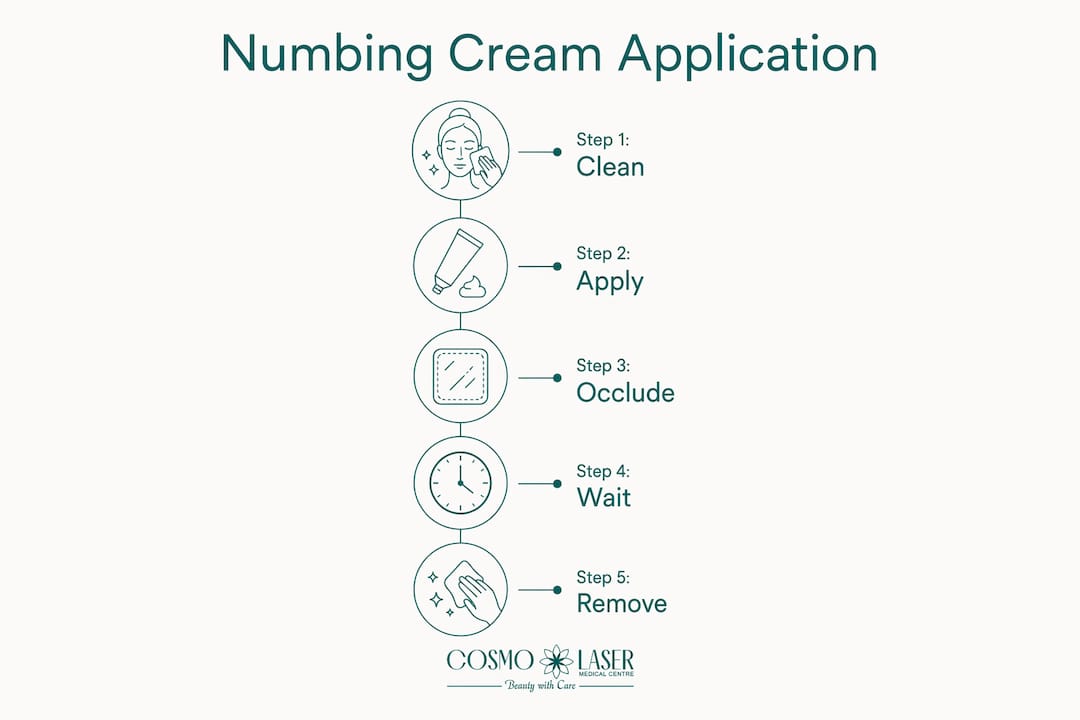
- Occlusion: Covering the cream with an airtight dressing such as cling film or Tegaderm traps heat and moisture, significantly improving penetration depth and speed.
- Skin condition: Intact, healthy skin absorbs cream differently from compromised or very thick skin.
Topical anaesthetics primarily affect the epidermis and superficial dermis. They do not produce the deep block that injectable anaesthetics achieve. This distinction matters when selecting pain management for different procedure types.
Pro Tip: Apply the cream under occlusion for the full recommended dwell time. Removing it even ten minutes early can meaningfully reduce the numbing effect, particularly for laser hair removal or tattooing.
What does clinical evidence say about numbing cream effectiveness?
A 2026 study of 100 patients compared two topical anaesthetic formulations in facial rejuvenation procedures. The group receiving 7% compound lidocaine cream reported a mean pain score of 2.51 on a 10-point scale. The group receiving 2.5% lidocaine-prilocaine cream reported a mean score of 3.75. That difference is clinically meaningful. Lower pain scores correlate directly with reduced patient movement, which improves procedural accuracy and outcomes.
The higher-concentration group also reported fewer adverse effects. This challenges the assumption that stronger formulations carry greater risk. When compounded correctly and applied to intact skin, higher-concentration lidocaine creams appear both more effective and comparably safe.
| Formulation | Mean pain score (10-point scale) | Adverse effects |
|---|---|---|
| 7% compound lidocaine cream | 2.51 | Fewer reported |
| 2.5% lidocaine-prilocaine cream | 3.75 | More reported |
Numbing cream effectiveness extends across multiple procedure categories. Microneedling, radiofrequency microneedling, laser hair removal, and skin booster injections all benefit from pre-treatment topical anaesthesia. Patient satisfaction and treatment compliance both improve when discomfort is managed proactively. Patients who feel comfortable during a procedure are significantly more likely to complete a full treatment course and rebook.
Water-based formulations containing vitamin E, such as those without vasoconstrictors, reduce post-treatment inflammation and support a more comfortable recovery. This makes them particularly suitable for sensitive facial skin.
When is numbing cream not enough?
Topical anaesthetics are effective for surface-level procedures. They do not reach the depth required for treatments involving deeper tissue layers, nerve-rich areas, or significant mechanical trauma.
Deeper procedures require combined methods such as nerve blocks or injectable anaesthetics. Lidocaine at 1% or 2% concentration, delivered by injection, produces a far more complete block for treatments such as lip filler, nail procedures, or surgical interventions. Practitioners at Cosmolaser assess each patient individually to determine whether topical anaesthesia alone is sufficient or whether a combined approach is needed.
Common situations where topical cream alone is insufficient:
- Lip augmentation with dermal fillers, where nerve-rich tissue requires a dental block or direct injection
- Ablative CO2 fractional laser treatments targeting deeper dermal layers
- Procedures on patients with a clinically low pain threshold
- Treatments in areas with very thick skin, such as the soles of the feet
Combining topical cream with ice packs is a practical adjunct for patients who are sensitive but do not require injectable anaesthesia. Ice reduces superficial blood flow and adds a secondary numbing effect. This layered approach to pain management in aesthetic treatments reflects current best practice in clinical aesthetics.
Pro Tip: For patients who are anxious about needles, applying topical cream before any injectable anaesthetic reduces the initial sting significantly. This small step can transform the patient’s perception of the entire appointment.
How to choose and apply numbing cream correctly
Selecting the right numbing cream requires matching the formulation to the procedure and the patient’s skin profile. The key variables are potency, the presence or absence of vasoconstrictors, and the base formulation.
Vasoconstrictors narrow blood vessels and can interfere with certain treatments. Vasoconstrictors may disrupt tattoo ink settling and vascular laser procedures. For most aesthetic procedures, a non-vasoconstrictive formula is the safer and more predictable choice.
Application timing varies by procedure type:
- Injections and fillers: Apply for approximately 10 minutes before treatment. The skin is thin and absorbs quickly in most facial areas.
- Permanent makeup and semi-permanent brows: Apply for 15–20 minutes. These procedures involve repeated superficial needle passes across a defined area.
- Laser hair removal and tattooing: Apply for 30–40 minutes under occlusion. These treatments involve sustained mechanical or thermal stimulation over a larger surface area.
- EMLA cream specifically: This formulation requires 45–60 minutes dwell time to reach peak effect. Removing it early is one of the most common clinical errors.
- Sensitive or reactive skin: Use a water-based, vitamin-E-enriched formula without vasoconstrictors. Patch-test 24 hours before the full procedure if there is any history of skin sensitivity.
Occlusion is not optional for most procedures. Applying cling film or a Tegaderm dressing over the cream traps heat, which accelerates absorption and drives the anaesthetic deeper into the dermis. Without occlusion, the cream may evaporate or shift before it reaches therapeutic depth.
Practitioners who maintain detailed records of cream type, application duration, and occlusion method across multiple patient visits are able to refine protocols with each session. This patient-specific approach produces consistently better outcomes than a one-size-fits-all application.
Pro Tip: Wipe the cream off completely and allow the skin to return to normal temperature before beginning treatment. Residual cream can affect laser calibration and reduce the precision of energy delivery.
Common pitfalls to avoid:
- Applying too thin a layer, which reduces the volume available for absorption
- Failing to cover the full treatment zone, leaving peripheral areas inadequately numbed
- Using a vasoconstrictor-containing cream before a vascular laser treatment
- Ignoring patient allergy history, particularly for amide-type anaesthetics such as lidocaine
When combining numbing cream with other cosmetic treatment protocols, always confirm that the anaesthetic formulation is compatible with the planned procedure and any other topical agents being used.
Key takeaways
Numbing cream is the most accessible and clinically supported method for managing surface-level pain in aesthetic procedures, but its effectiveness depends entirely on correct formulation, timing, and occlusion technique.
| Point | Details |
|---|---|
| Higher concentration outperforms | 7% lidocaine cream produces lower pain scores than 2.5% lidocaine-prilocaine in facial procedures. |
| Occlusion is non-negotiable | Covering cream with cling film or Tegaderm significantly improves anaesthetic depth and speed. |
| Timing varies by procedure | Dwell times range from 10 minutes for injections to 45–60 minutes for EMLA-based protocols. |
| Topical cream has limits | Deeper treatments such as lip fillers or ablative laser require injectable anaesthesia or nerve blocks. |
| Vasoconstrictor choice matters | Non-vasoconstrictive formulas are safer for vascular laser and tattoo procedures. |
What I have learned from years of managing patient comfort
By Dr Anoop Suresh Babu
Patients often ask me whether a procedure will hurt. My honest answer is that the quality of pain management determines the quality of the treatment, not just the comfort of the patient.
When a patient is in pain, they tense. Tensed tissue is harder to work with. Filler placement becomes less precise. Laser passes become less consistent. Numbing cream, applied correctly, does not just reduce discomfort. It creates the physical conditions for better clinical work.
The factor I see underestimated most often is occlusion. Practitioners apply the cream correctly but skip the dressing, then wonder why the patient still feels discomfort. The cream without occlusion is like applying sunscreen and immediately wiping it off. The physics of absorption require time and a sealed environment.
I also find that understanding a patient’s individual pain threshold before the first session changes everything. Some patients need 10 minutes of topical cream. Others need a combined approach from the outset. Asking the right questions at consultation, rather than applying a standard protocol to everyone, is what separates a good experience from a great one. Patients who feel genuinely cared for at that level rebook. That is the real clinical outcome.
— Dr Anoop Suresh Babu
Comfortable aesthetic treatments at Cosmolaser
Cosmolaser integrates professional-grade topical anaesthetics into every procedure where patient comfort is a clinical priority. Whether you are considering a chemical peel, dermal fillers, or a laser treatment, the team at Cosmolaser selects the appropriate anaesthetic formulation and application protocol for your skin type and treatment plan.
Every patient receives a pre-treatment consultation to assess pain sensitivity and confirm the right numbing approach. This is not a standard step applied uniformly. It is a clinical decision made for you specifically. Cosmolaser’s Sharjah clinic combines medical expertise with a patient-centred approach to make aesthetic treatments as comfortable and effective as possible. Book your consultation through cosmolaser.ae to discuss your treatment options with a qualified specialist.
FAQ
What does numbing cream do during an aesthetic procedure?
Numbing cream blocks sodium channels in nerve membranes, preventing pain signals from reaching the brain. The result is temporary, localised loss of sensation in the treated skin area.
How long does numbing cream take to work?
Application times range from 10 minutes for injection-based treatments to 45–60 minutes for formulations such as EMLA. Occlusion with cling film or Tegaderm accelerates absorption and improves the depth of numbing.
Is numbing cream safe for facial procedures?
Clinical studies confirm that topical anaesthetics, including 7% compound lidocaine cream, are safe for facial use with a low incidence of adverse effects. Water-based, non-vasoconstrictive formulas with vitamin E are particularly well-tolerated on sensitive facial skin.
When is numbing cream not sufficient?
Topical anaesthetics do not reach deep tissue layers. Procedures such as lip augmentation, ablative CO2 fractional laser, or treatments in nerve-dense areas require injectable anaesthesia or nerve blocks in addition to topical cream.
Can numbing cream affect the results of a procedure?
Vasoconstrictor-containing creams can interfere with vascular laser treatments and tattoo ink settling. Residual cream left on the skin before laser treatment can also affect energy delivery. Always remove the cream fully and allow the skin to normalise before beginning treatment.