
Dental veneers are thin, custom-made shells bonded to the front surface of teeth to correct cosmetic imperfections — stains, chips, gaps, and mild misalignment. The four main types are porcelain/ceramic, composite resin, no-prep/minimal-prep, and removable snap-on veneers. According to the Cleveland Clinic, enamel reduction for porcelain veneers is typically 0.3–0.7 mm, and porcelain restorations commonly last around 10–15 years with proper care. Composite veneers last roughly 5–7 years but can often be placed in a single visit.
If you are considering this treatment, the right first step is a clinical assessment with a licensed dentist. Patients in Sharjah and the wider UAE can book an in-clinic evaluation at Cosmolaser Medical Centre, where the team reviews candidacy, discusses material options, and provides an itemized treatment plan before any enamel is touched.
Key Takeaways
Porcelain veneers last approximately 10–15 years with proper care, cost more upfront than composite, and are irreversible once enamel is removed — making candidacy assessment and provider selection the two most consequential decisions in the process.
| Point | Details |
|---|---|
| Enamel removal is irreversible | Porcelain veneers require 0.3–0.7 mm of enamel reduction; the tooth will always need a restoration afterward. |
| Material choice affects lifespan | Porcelain lasts ~10–15 years; composite lasts ~5–7 years — factor replacement cost into your budget. |
| Oral health must come first | Active decay or gum disease must be treated before any veneer is placed, per JADA clinical guidance. |
| Bruxism is the leading cause of failure | Patients who grind should use a custom night guard to protect veneers from fracture. |
| Cosmolaser Medical Centre offers in-clinic assessment | Patients in Sharjah and the UAE can book a full consultation including CBCT imaging and an itemized treatment plan. |
This article is general information, not a substitute for advice from a qualified doctor. Consult a qualified healthcare professional about your own circumstances before acting on anything here.
Table of Contents
- What are dental veneers and how do they differ from crowns and bonding?
- Breaking down the main veneer types
- Veneers vs. crowns vs. bonding: how to decide
- Who is a good candidate for veneers?
- What happens at each stage of the veneer process?
- Risks and complications you should know about
- How long do veneers last and how should you care for them?
- What do veneers cost and what drives the price?
- How to choose the right dentist or clinic for veneers
- Why Cosmolaser Medical Centre is a trusted option for veneers in the UAE
- A clinician’s perspective on what patients get wrong about veneers
- Book your veneer consultation at Cosmolaser Medical Centre
- Sources
- FAQ
What are dental veneers and how do they differ from crowns and bonding?
Veneers are cosmetic restorations that cover only the front-facing surface of a tooth. Unlike a dental crown, which encases the entire tooth, a veneer leaves the back and sides of the natural tooth intact. That distinction matters clinically: crowns require significantly more tooth reduction and are typically reserved for teeth with structural damage, large existing restorations, or significant decay. Veneers, by contrast, are chosen when the underlying tooth is structurally sound but aesthetically compromised.
Two materials dominate clinical practice:
- Porcelain/ceramic: Fabricated in a dental laboratory, these offer the most natural translucency and color depth. They resist staining better than composite and are the standard choice for long-term cosmetic cases.
- Composite resin: Applied and sculpted directly in the chair or fabricated via CAD/CAM technology. Lower upfront cost, but the surface is more porous and prone to staining over time.
Compared to dental bonding, veneers are more durable and color-stable. Bonding uses composite resin applied in a thin layer without removing enamel, making it fully reversible — but it chips more easily and typically needs replacement or repair within 3–5 years. Veneers occupy the middle ground: more conservative than crowns, more durable than bonding, and specifically suited to patients whose primary concern is appearance rather than structural restoration.
The UHC overview of dental veneers notes that veneers can also restore worn teeth in aging patients and close spaces that trap food, adding a functional benefit beyond pure aesthetics.
Breaking down the main veneer types
Porcelain/ceramic veneers
Porcelain veneers are the clinical gold standard for smile makeovers. They replicate the light-scattering properties of natural enamel, making them nearly indistinguishable from surrounding teeth. Stain resistance is high — coffee, tea, and red wine affect them far less than composite. The trade-off is cost and time: lab fabrication means multiple appointments, and the price per tooth is higher than composite options. Lifespan is typically long, with some cases lasting well over a decade.
Composite resin veneers
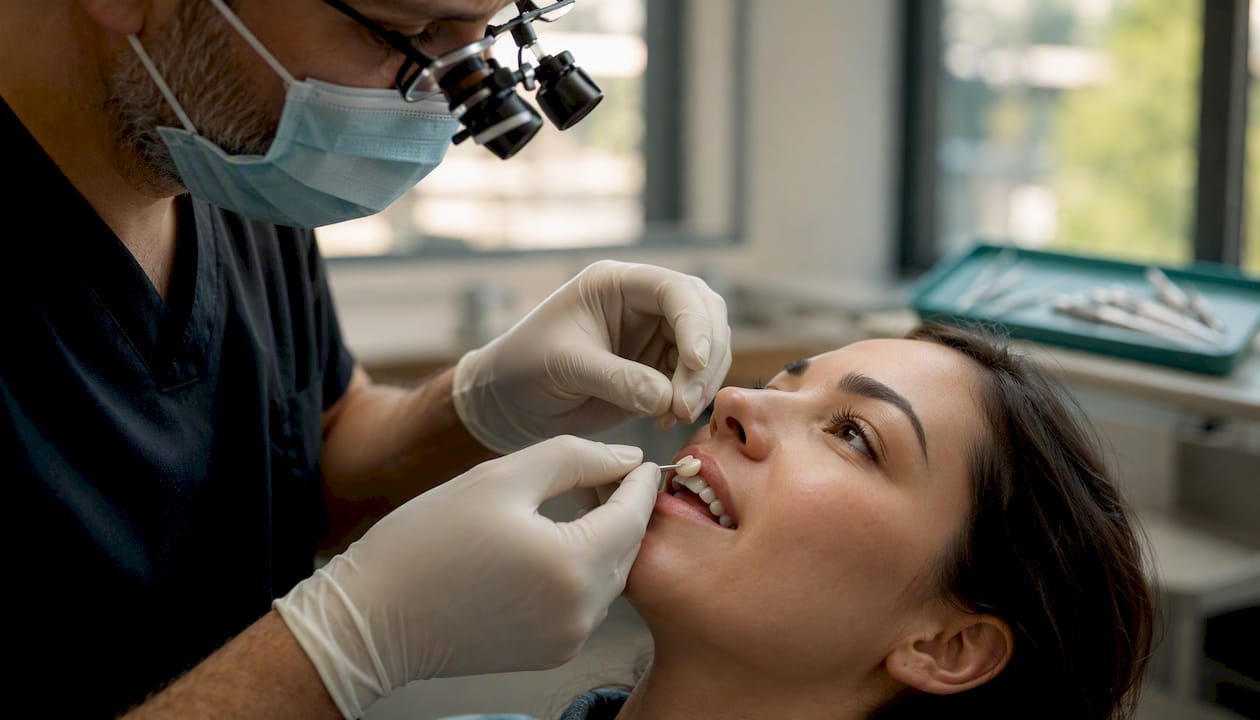
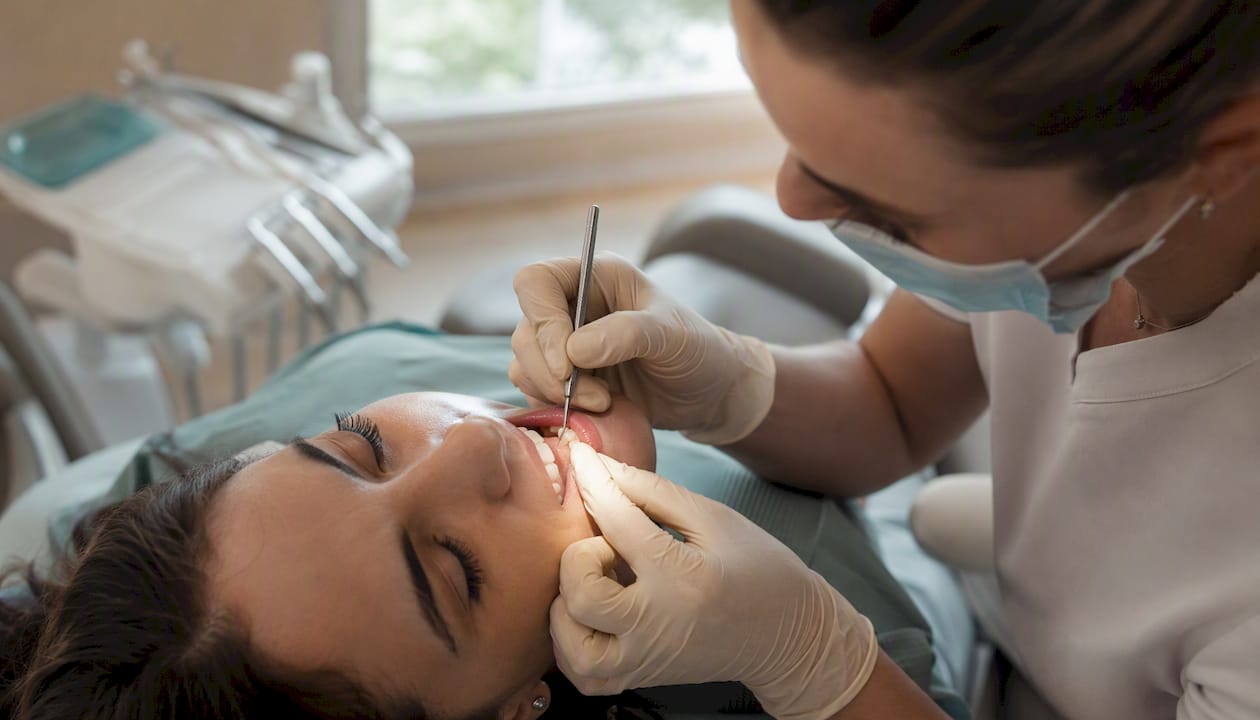
Composite veneers are sculpted chairside in a single visit, which makes them attractive for patients with budget constraints or time pressure. They cost less upfront, but Healthline’s clinical overview puts their lifespan at roughly 5–7 years — shorter than porcelain because the resin surface wears and stains more readily. They are also easier to repair if chipped, which is a practical advantage for some patients.
No-prep and minimal-prep veneers
These are designed to minimize enamel removal, sometimes requiring no preparation at all. The appeal is obvious: less irreversible alteration of the tooth. In practice, though, no-prep veneers tend to be slightly thicker to compensate for the lack of tooth reduction, which can create a bulkier profile. They suit patients with naturally small or slightly worn teeth where adding volume is acceptable. Not every patient is a candidate — teeth that are already prominent or protrusive may look unnatural with added bulk.
Removable/snap-on veneers
Snap-on veneers are non-invasive, clip-on appliances that fit over existing teeth. They are not a clinical restoration; they are a temporary cosmetic device. Eating with them in place is limited, speech can be affected, and they do nothing to address underlying dental health. Their appropriate use is narrow: short-term cosmetic cover for events, or as a trial to visualize a new smile shape before committing to permanent treatment.
The table below compares all four types across the dimensions that matter most for decision-making.
| Feature | Porcelain/Ceramic | Composite Resin | No-Prep/Minimal-Prep | Removable/Snap-On |
|---|---|---|---|---|
| Appearance/natural look | Excellent — high translucency | Good — less depth | Good — may appear slightly bulkier | Variable — cosmetic only |
| Durability/lifespan | ~10–15+ years | ~5–7 years | ~10–15 years (if bonded) | Months to a few years |
| Cost per tooth (range) | Higher (lab fees included) | Lower | Moderate to higher | Low to moderate |
| Enamel removal | 0.3–0.7 mm typically | Minimal to none | Minimal or none | None |
| Reversibility | Irreversible | Largely irreversible | Largely irreversible | Fully reversible |
| Appointments required | 2–3 visits | 1 visit | 1–2 visits | 1 fitting session |
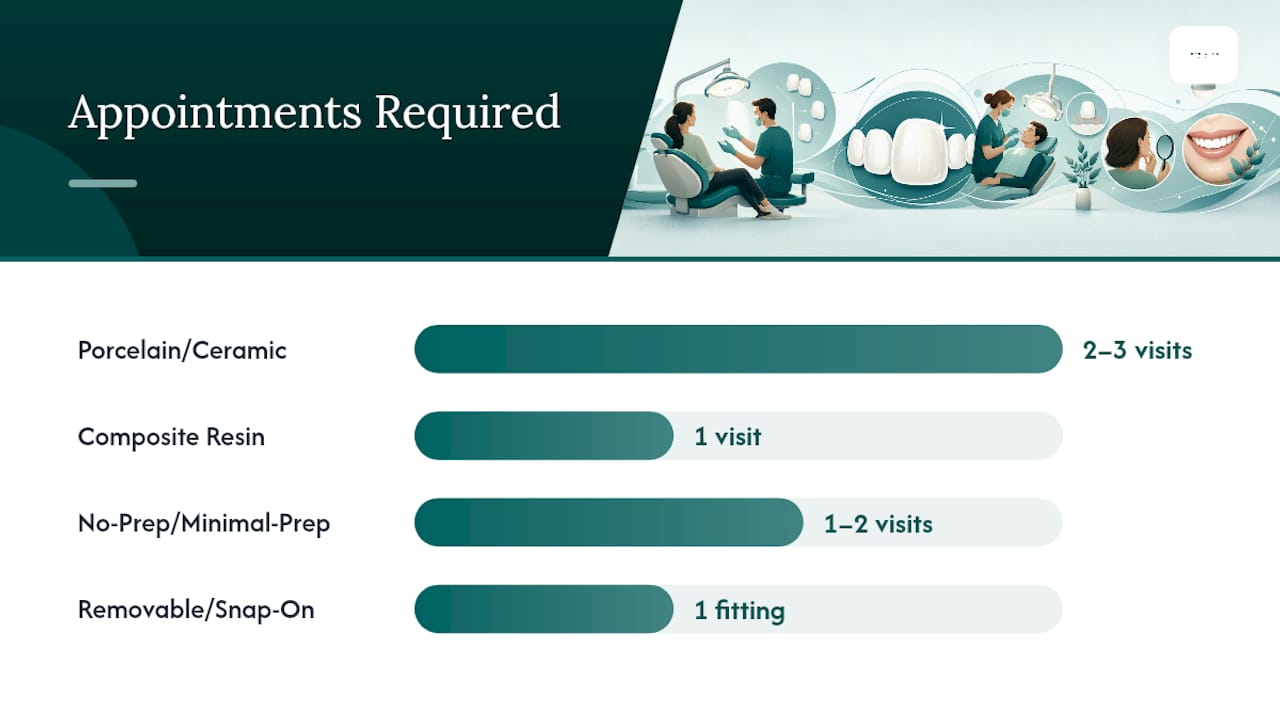
Colgate’s clinical comparison confirms that porcelain tends to be more stain resistant and longer lasting, while composite costs less upfront but typically needs replacement sooner.
Veneers vs. crowns vs. bonding: how to decide
The right restoration depends on four clinical factors: how much healthy tooth structure remains, whether the problem is cosmetic or structural, the patient’s bite habits, and existing restorations.
Use veneers when:
- The tooth is structurally intact with no large fillings or root canal history
- The concern is purely cosmetic (staining, minor chips, small gaps, slight shape irregularity)
- The patient has sufficient enamel for bonding
- Bruxism is absent or well-controlled with an occlusal guard
Consider a crown instead when:
- The tooth has significant decay, a large existing restoration, or has undergone root canal treatment
- There is a vertical fracture or the tooth is severely broken
- The patient needs full occlusal coverage for functional protection
Bonding may be preferable when:
- The defect is small and the patient wants a reversible, low-cost option
- The patient is young and may want to upgrade later without having committed enamel
Two scenarios illustrate the reasoning. A patient with worn upper incisors from years of grinding presents with sensitivity and visible shortening. Veneers alone are not the right first step — the grinding must be addressed with an occlusal guard and possibly bite adjustment before any restoration is placed, or the veneers will fracture within months. A different patient arrives with a single chipped front tooth from a sports impact, healthy gums, no grinding history, and enough enamel. A single porcelain veneer or direct composite restoration is a straightforward, conservative solution.
The JADA clinical guidance is clear: veneers are a conservative cosmetic option, but active oral disease must be treated before placement. Skipping that step does not save time — it creates more complex problems later.
Who is a good candidate for veneers?
Good candidacy rests on a short list of clinical prerequisites:
- Healthy gums with no active periodontal disease or significant inflammation
- Limited decay — any existing cavities must be restored before veneer preparation begins
- Sufficient enamel — bonding strength depends on enamel, not dentin; patients who have lost significant enamel through erosion or previous restorations may not bond reliably
- Realistic expectations — veneers improve appearance dramatically but do not correct severe misalignment or replace missing teeth
- Stable bite — patients with controlled occlusion and no active bruxism
Contraindications and red flags:
- Active periodontal disease or significant bone loss
- Severe bruxism or clenching without occlusal management in place
- Insufficient enamel (erosion, fluorosis, or heavy previous preparation)
- Severe crowding or skeletal malocclusion — orthodontic treatment should come first
- Large existing restorations on the target teeth, which may indicate a crown is more appropriate
Dentists investigate candidacy through a clinical examination, intraoral photographs, and dental X-rays. In complex cases, CBCT imaging provides three-dimensional data on bone levels, root positions, and existing restorations that a standard X-ray cannot capture. When significant misalignment is present, orthodontic treatment before veneers produces a more predictable and durable result.
Pro Tip: Ask your dentist to show you a digital smile design preview or a wax-up model before any enamel is removed. Seeing the proposed shape and size in advance dramatically reduces the chance of aesthetic disappointment after bonding.
What happens at each stage of the veneer process?
Before treatment
The consultation covers your medical history, current medications, and any history of grinding or jaw pain. Your dentist takes photographs, selects a shade, and addresses any active issues — decay, gum inflammation, or existing failing restorations — before proceeding. Skipping this stage is a clinical error, not a time-saver.
Preparation visit
Enamel reduction of approximately 0.3–0.7 mm is performed under local anesthesia for porcelain veneers. Impressions or digital scans are taken and sent to the laboratory. Temporary veneers protect the prepared teeth during the lab turnaround period, which typically runs 1–2 weeks.
Placement visit
The laboratory-fabricated veneers are trial-fitted without adhesive first. Color, shape, and bite are evaluated. Adjustments are made before final bonding. The tooth surface is etched, a bonding agent is applied, and the veneer is cemented with light-cured resin. A bite check confirms no premature contacts. The full appointment typically runs 1–2 hours depending on the number of teeth.
According to UHC’s procedural overview, porcelain veneers typically require 2–3 visits; composite veneers can often be completed in a single appointment.
After placement
Some temperature sensitivity is normal for 1–2 weeks as the tooth adjusts. Avoid very hard foods (ice, hard candy, crusty bread) for the first few days. Normal eating resumes within a week for most patients. A follow-up check at 4–6 weeks lets the dentist confirm the bite and gum response.
What to bring to your consultation:
- A list of current medications and any known allergies
- Photos of smiles you find appealing (reference images help with shade and shape discussions)
- Your budget range — this allows the dentist to recommend the most appropriate material
- Questions about the dentist’s credentials, the laboratory they use, and their warranty or guarantee policy
Risks and complications you should know about
Every irreversible procedure carries risk. For veneers, the clinically documented concerns include:
- Tooth sensitivity — most common in the weeks after preparation; usually resolves as the pulp adapts
- Veneer chipping or fracture — most often caused by bruxism, biting hard objects, or trauma
- Debonding — the veneer separates from the tooth; more likely when bonding is performed on dentin rather than enamel
- Marginal decay — bacteria colonize the junction between veneer and tooth if oral hygiene is poor or margins are not well-sealed
- Color mismatch — can occur if shade selection is rushed or if the patient’s adjacent teeth change color over time (whitening after bonding, for example)
- Irreversibility — once enamel is removed, the tooth requires a restoration permanently
Bruxism-related fractures are the most common cause of premature veneer failure. Patients who grind should have an occlusal guard fabricated before or immediately after veneer placement. The Colgate clinical resource specifically notes that addressing occlusal forces before receiving veneers is critical to preserving restorations long-term.
Safety warning: Unlicensed placement or procedures performed outside a clinical setting carry serious risks — including infection, permanent nerve damage, and masked decay that progresses undetected beneath the restoration. The American Dental Association’s MouthHealthy resource is explicit: licensed dental care and sterile protocols are non-negotiable. If a provider cannot show you their license, their sterilization setup, or a written treatment plan, walk away.
Pro Tip: Request a provisional (temporary) veneer stage even if your dentist suggests skipping it. Wearing temporaries for 2–4 weeks lets you evaluate shape, length, and phonetics in real life before the permanent restorations are bonded — revisions at the temporary stage cost a fraction of what they cost after final bonding.
How long do veneers last and how should you care for them?
Porcelain veneers last around a decade or more, with some well-maintained cases lasting longer. Composite veneers typically need replacement or significant repair within 5–7 years. Longevity depends heavily on bonding quality, oral hygiene, and whether occlusal forces are managed.
Daily care checklist:
- Brush twice daily with a nonabrasive fluoride toothpaste — avoid whitening pastes with silica or baking soda, which can scratch the veneer surface
- Floss daily, paying attention to the gingival margin where the veneer meets the gum
- Avoid biting hard objects directly with veneered teeth: ice, pen caps, fingernails, hard candy
- Wear a custom night guard if you grind or clench — this is the single most effective way to extend veneer lifespan
- Wear a sports mouthguard during contact activities
- Limit prolonged exposure to heavily pigmented foods and drinks, particularly for composite veneers; porcelain is relatively stain resistant but not immune
Healthline’s dental veneer guide confirms the 10–15-year lifespan estimate for porcelain and the 5–7-year range for composite, noting that bonding quality and daily habits are the primary variables.
Regular dental check-ups every 6 months allow the dentist to assess veneer margins, check for early decay, and polish the restorations professionally. Warning signs that need prompt attention include sensitivity that returns after months of absence, visible darkening at the margin, a clicking sensation when biting, or a veneer that feels loose.
What do veneers cost and what drives the price?
Veneer pricing varies considerably depending on material, the clinician’s experience, laboratory quality, and the number of teeth being treated. Porcelain veneers cost more per tooth than composite because they require laboratory fabrication and typically more clinical time. Composite veneers are more accessible upfront but factor in the likelihood of earlier replacement when comparing long-term value.
Key price drivers:
- Material: Porcelain commands a higher fee due to lab costs; composite is chairside and lower cost
- Number of teeth: Treating 6–8 front teeth multiplies the total significantly
- Preparatory work: Root canals, crown lengthening, or orthodontic treatment before veneers add to the overall investment
- Dentist experience and specialization: Prosthodontists and cosmetic dentists with advanced training typically charge more, and the quality difference is usually measurable
- Geographic market: Fees in the UAE reflect local clinic overheads, lab partnerships, and regulatory standards
| Cost factor | Impact on price |
|---|---|
| Porcelain vs. composite material | Porcelain significantly higher per tooth |
| Number of teeth treated | Linear increase; multi-tooth cases may offer package pricing |
| Preparatory procedures required | Root canal, crown lengthening, or orthodontics add cost |
| Clinician experience/specialization | Prosthodontist fees higher than general dentist |
| Laboratory quality | Premium labs increase cost; direct impact on aesthetics |
Most dental insurance plans classify veneers as cosmetic and exclude them from coverage. Healthline confirms this: patients should verify their plan’s cosmetic exclusions and request an itemized quote from the clinic. An itemized quote breaks out consultation, preparation, laboratory, bonding, and follow-up fees separately — which makes it far easier to compare providers and plan staged treatment if needed.
Pro tip on long-term value: A composite veneer that costs less upfront but requires replacement in 5 years may cost more over a decade than a porcelain veneer placed once and maintained well. Ask your dentist to walk you through the 10-year cost projection for each material option.
How to choose the right dentist or clinic for veneers
The provider you choose has more impact on your outcome than the material you select. A well-chosen material placed by an inexperienced clinician will underperform a standard material placed by a skilled prosthodontist.
Questions to ask at your consultation:
- What are your qualifications — are you a prosthodontist or a cosmetic dentist with postgraduate training?
- Can I see a before-and-after portfolio of veneer cases you have completed?
- Which laboratory do you use, and can I see examples of their work?
- Do you offer a warranty or guarantee on the restorations?
- What is your follow-up policy if a veneer chips or debonds?
- Will I receive temporary veneers during the lab phase?
- Do you use digital smile design or wax-up models before preparation?
- Can I have an itemized written treatment plan before committing?
Red flags to avoid:
- Prices that seem dramatically below market without a clear explanation
- No written treatment plan or itemized quote
- Pressure to add multiple unrelated procedures in the same appointment
- Inability to show credentials or a valid clinic license
- Procedures offered in non-clinical settings (home visits, pop-up studios)
Trust signals worth looking for include published case studies, CBCT imaging capability for complex cases, clear written consent documentation, and a licensed clinic with visible regulatory registration. The Cosmolaser safety standards resource outlines what a properly licensed aesthetic and dental clinic should provide in terms of sterile protocols and patient documentation.
Why Cosmolaser Medical Centre is a trusted option for veneers in the UAE
Cosmolaser Medical Centre, based in Sharjah, offers in-person veneer consultations supported by a full suite of diagnostic and restorative capabilities. The clinic’s dental team includes qualified specialists with experience in prosthodontics and cosmetic dentistry, and the facility uses CBCT imaging for cases where three-dimensional diagnostic data is needed before treatment planning.
Key features of the veneer service at Cosmolaser Medical Centre:
- Comprehensive initial consultation including clinical examination, intraoral photography, and shade analysis
- CBCT scanning available when indicated for complex restorative planning
- Prosthodontic and general dental expertise under one roof in Sharjah
- Sterile clinical protocols and licensed clinical staff throughout every procedure
- Clear written treatment plans and itemized quotes provided before any preparation begins
- Post-procedure follow-up schedule to monitor veneer margins, gum response, and bite
The clinic also provides teeth whitening as a preparatory or alternative service for patients who may achieve their aesthetic goals without enamel removal. For patients requiring more extensive restorative work before veneers, full-arch dental implants and orthodontic services are available at the same location.
Patient education is a clinical priority at Cosmolaser Medical Centre. The team provides written aftercare instructions, occlusal guard referrals for patients who grind, and clear guidance on when to return for follow-up. You can explore veneer-specific information on the Cosmolaser veneers page before booking.
Pro Tip: If you are unsure whether veneers or teeth whitening better suits your goals, book a combined consultation. A dentist can assess your enamel shade, existing restorations, and gum health in one appointment and give you a direct comparison of both options — including realistic outcome expectations for each.
A clinician’s perspective on what patients get wrong about veneers
Most patients arrive at a veneer consultation focused on the wrong variable. They ask about shade — which shade of white, how bright, how many teeth — before the dentist has assessed whether their gum health, enamel thickness, or bite even supports the treatment. Shade is the last decision, not the first.
The second common error is treating cost as the primary filter. Composite veneers are not inherently inferior, but choosing them solely because they are cheaper, without accounting for replacement frequency, is a false economy. A patient who replaces composite veneers twice in 12 years may spend more than a patient who invested in porcelain once and maintained them well.
What actually predicts a good outcome is the sequence of decisions: oral health first, material selection second, shade and shape third. Patients who skip the provisional stage — who go straight from preparation to permanent bonding without wearing temporaries — take on real aesthetic risk. The provisional stage is not a formality. It is the only opportunity to evaluate shape and length in real function before the decision becomes irreversible.
For patients in Sharjah and the UAE, the practical advice is straightforward: choose a licensed clinic, insist on an itemized plan, and do not allow any enamel to be removed until you have seen and approved a wax-up or digital preview of the proposed result. The investment in that extra step is small. The cost of correcting a result you dislike is not.
Book your veneer consultation at Cosmolaser Medical Centre
Patients in Sharjah and the UAE who are ready to assess their veneer options can book a structured clinical consultation at Cosmolaser Medical Centre. The consultation includes a full clinical examination, intraoral photographs, shade analysis, and — where clinically indicated — a CBCT scan for precise treatment planning. You leave with a written, itemized treatment plan and a clear picture of which veneer type suits your teeth, your timeline, and your budget.
The clinical team at Cosmolaser Medical Centre follows licensed protocols at every stage, from enamel preparation through final bonding and post-procedure follow-up. There is no pressure to commit at the first appointment. The goal of the consultation is to give you accurate, personalized information so you can make a confident, informed decision. To take the next step, visit the Cosmolaser veneers page and schedule your in-clinic assessment today.
Sources
- Veneers: What Are Dental Veneers? Cost, Procedure & Advantages
- Improving your smile with dental veneers (JADA article)
- Dental Veneers: Pros And Cons | Colgate®
- Dental Veneers: Benefits, Procedure, Costs, and Results
- Veneers — MouthHealthy (American Dental Association)
- What to know about dental veneers | UnitedHealthcare
FAQ
How long do dental veneers last?
Porcelain veneers typically last 10–15 years with proper care; composite resin veneers generally need replacement within 5–7 years. Longevity depends on bonding quality, oral hygiene, and whether bruxism is managed with a night guard.
What happens to the teeth under veneers?
The underlying tooth remains in place but is permanently altered: enamel removal of approximately 0.3–0.7 mm means the tooth will always require a restoration. If a veneer fails, it must be replaced with a new veneer or another restoration.
Are veneers good for your teeth?
Veneers are a conservative cosmetic option when placed on structurally sound teeth with healthy gums and sufficient enamel. They are not appropriate when active decay or periodontal disease is present, per JADA clinical guidance — oral health must be established first.
How much does one tooth veneer cost?
Cost varies by material, clinician experience, laboratory fees, and geographic market. Porcelain veneers cost more per tooth than composite due to lab fabrication; composite veneers are lower upfront but typically need earlier replacement. Most dental insurance plans exclude veneers as cosmetic, so request an itemized quote from your clinic before committing.