
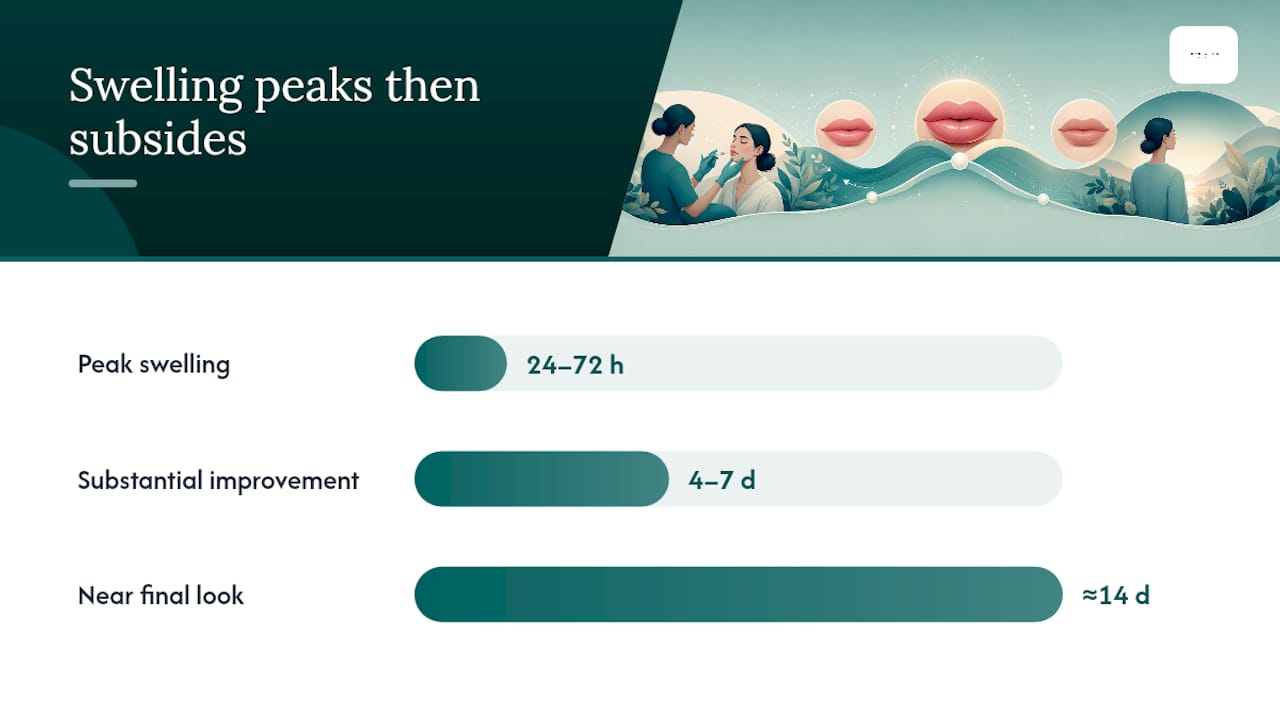
Most people see peak swelling within the first few days after lip filler injections, with noticeable improvement within the first week. By around two weeks, most patients see results close to their final appearance.
- First few days: Swelling peaks, often accompanied by bruising and mild asymmetry
- Within the first week: Puffiness decreases noticeably as bruising fades
- By about two weeks: Swelling has mostly settled and the shape appears more final
- After two weeks: Minor residual puffiness may persist in some people, though this is uncommon
A quick number to anchor expectations: Cleveland Clinic notes that swelling commonly improves by day 4 and that patients should wait roughly two weeks before judging the final shape, since filler settles as the tissue calms down. Severe, worsening pain or skin discoloration is not part of normal healing and warrants prompt professional review.
Key Takeaways
Lip filler swelling peaks within 24 to 72 hours, improves substantially by day 4 to 7, and settles close to its final look by around two weeks, though the filler itself lasts far longer than the swelling does.
| Point | Details |
|---|---|
| Peak swelling window | Expect the most puffiness and any bruising within the first 24 to 72 hours after injection. |
| Two-week rule | Wait about two weeks before judging final shape or booking a touch-up appointment. |
| Home care matters | Ice on a 10-minutes-on, 10-minutes-off schedule and skipping alcohol or exercise for 48 hours reduces bruising. |
| Red flags need speed | Severe pain, skin color change, or worsening swelling past day 3 warrants an immediate call to your injector. |
| Cosmolaser Medical Centre | Offers lip filler treatment and post-treatment follow-up review for patients managing recovery or unexpected symptoms. |
Table of Contents
- Lip Filler Swelling Time: A Day-by-Day Breakdown
- What Determines How Long Your Swelling Lasts
- How to Reduce Lip Filler Swelling During Recovery
- When Lip Filler Swelling Signals a Problem
- When Are Your Lips “Done” Healing?
- Who’s Behind This Guidance
- Why Patience Beats Panic in Lip Filler Recovery
- Getting Professional Support for Your Lip Filler Recovery
- Sources
- FAQ
Lip Filler Swelling Time: A Day-by-Day Breakdown
Swelling doesn’t move on a straight line. It spikes fast, plateaus, and then recedes in a pattern that’s predictable enough to plan around, even if the exact pace differs from one lip to the next.
- Day 0 (immediately after injection). The lips look fuller than intended right away, and that’s mostly needle trauma and fluid, not the filler settling into its final shape. Firmness and tightness are normal here. Some patients notice minor pinpoint bleeding at injection sites that stops within minutes.
- Days 1 to 3 (the peak). This is when swelling is at its worst. Cleveland Clinic and other clinical sources place the peak squarely in this 24 to 72 hour window. Bruising tends to show up here too, sometimes a day after the swelling itself, and one side of the mouth may look noticeably puffier than the other. That asymmetry unsettles a lot of first-time patients, but it’s almost always swelling distribution, not a sign the filler was placed incorrectly.
- Days 4 to 7. The decline is usually obvious by now. Firmness softens, the lips start moving more naturally when you talk or eat, and any bruising shifts from purple to yellow-green as it resolves. Byrdie’s expert-sourced aftercare guide notes that icing can continue through day 7 if puffiness lingers, which tells you this window is still considered part of active healing, not a red flag.
- Day 10 to 14. Most people are close to their final look by this point. Small lumps or firm spots can still be present, particularly near the injection sites or the philtrum columns, and these usually smooth out with the last bit of tissue settling. This is also roughly when a follow-up assessment makes sense if something still looks off.
- Weeks 3 and beyond. Occasional minor puffiness or a slightly uneven texture can persist past two weeks in a smaller number of patients. Byrdie points out that full tissue integration can take up to a month in some cases, even though the visible swelling itself has usually resolved much earlier. If lumps or unevenness are still noticeable well past this window, that’s worth a clinic visit rather than more waiting.
The pattern holds across most patients, but the pace varies with technique, product, and personal healing speed, which is exactly why the next section matters.
What Determines How Long Your Swelling Lasts
Swelling is the tissue’s inflammatory response to a needle passing through it repeatedly, plus the physical presence of a gel-like filler taking up space it didn’t occupy before. That response varies person to person and injection to injection.
- Filler type and volume. More product, deeper structural placement, or a firmer filler formulation tends to provoke a stronger initial reaction than smaller, more superficial touch-ups.
- Injection depth and technique. Placement in the deeper dermis or muscle layer can produce a different swelling and feel profile than placement closer to the surface, according to longevity research on HA fillers. Multiple passes or a higher number of injection points across the same session generally means more local trauma to recover from.
- Bleeding tendency and medications. Blood thinners, certain supplements (fish oil, vitamin E, high-dose garlic), and even alcohol in the days before treatment raise bruising and swelling risk.
- Hydration and salt intake. Dehydrated tissue and high sodium intake both encourage fluid retention, which can extend how puffy the lips look during the first week.
- Smoking and prior filler history. Smoking slows healing generally, and lips that have had multiple prior filler sessions sometimes swell differently than a first-time treatment area.
- Uneven swelling versus misplaced filler. Temporary asymmetry in the first few days is overwhelmingly a swelling issue, not evidence that the product was injected in the wrong spot. Judging symmetry before day 7 is almost always premature.
None of this is about doing something “wrong.” Two people can get the exact same syringe from the exact same injector and have noticeably different recovery timelines, purely based on how their tissue responds.
How to Reduce Lip Filler Swelling During Recovery
The first 48 to 72 hours are where your choices actually move the needle on comfort and bruising. After that, it’s mostly patience.
- Ice on a schedule, not randomly. Healthline’s aftercare guidance recommends roughly 10 minutes on, 10 minutes off, during the first two days. Wrap the ice pack rather than applying it directly to skin.
- Sleep with your head elevated. An extra pillow or two keeps fluid from pooling in the lip tissue overnight, which is often when patients notice the worst morning puffiness.
- Skip alcohol, saunas, steam rooms, and hard workouts for 24 to 48 hours. All of these increase blood flow to the face and directly worsen bruising and swelling.
- Hold off on ibuprofen and aspirin unless your provider says otherwise. Both thin the blood and increase bruising risk; acetaminophen is generally the safer pain-relief choice, but confirm with your injector, especially if you take prescription blood thinners.
- Stay hydrated and go easy on salt. Both directly affect how much fluid your tissue holds onto during the first week.
- No heavy lip pressure. That means no kissing, no drinking through a straw, and no aggressive touching for the first day or two. Cleveland Clinic’s practitioner guidance also recommends avoiding dental work close to your treatment date, since the mechanical pressure and contamination risk aren’t worth it during active healing.
- Don’t massage the area unless your injector specifically tells you to. Some clinics use light massage to smooth product; doing it on your own without instruction can shift filler before it has settled.
Pro Tip: Keep a small ice pack in the freezer specifically for this recovery window, and set a timer for your icing intervals. It sounds minor, but sticking to the 10-minutes-on, 10-minutes-off pattern consistently through day two makes a visible difference by day four.
Most of this self-care applies for about a week. After that, continued mild icing if you’re still puffy is fine, but the heavy restrictions on alcohol and exercise are mainly a 48-hour concern.
When Lip Filler Swelling Signals a Problem
Most swelling, even when it looks dramatic on day 2, is a normal part of healing. A small set of warning signs points to something that needs same-day attention instead of more ice.
- Severe or rapidly worsening pain, especially pain that’s disproportionate to what you’d expect from the procedure, can indicate vascular occlusion, where filler has compressed or entered a blood vessel.
- Pallor, mottling, or a dusky or white discoloration of the skin around the lips is one of the clearest early signs of a vascular problem and should prompt an immediate call to your injector.
- Sudden vision changes are rare but serious, and mean you should go to emergency care, not wait for a clinic callback.
- Increasing redness, warmth, or fever appearing several days after treatment, rather than in the first 24 hours, points more toward infection than the initial inflammatory response and also needs prompt evaluation.
- Swelling that keeps getting worse past the typical day 2 to 3 peak, instead of trending down, is not a normal pattern and deserves a call to the clinic rather than a wait-and-see approach.
Dermatologists commonly stress that distinguishing normal swelling and mild asymmetry from true vascular occlusion is one of the most important judgment calls in the entire recovery window. Patience through the expected two-week settling period prevents the kind of premature “correction” that can make an already-healing area worse.
If you notice any of these red flags, stop activity, contact your injector or treating clinic immediately, and go to emergency care if vision or breathing is affected. A clinic-level response might include a same-day assessment and, for hyaluronic acid fillers, dissolving product with hyaluronidase, or antibiotics if infection is suspected. The FDA’s guidance on dermal fillers reinforces that professional evaluation, not self-treatment, is the right response to suspected complications. Lumps or asymmetry that simply persist past two weeks without these red flags can usually wait for a routine, non-urgent follow-up.
When Are Your Lips “Done” Healing?
Two weeks is the number to hold onto. Most swelling has resolved by then, and what you see is a much closer approximation of the actual result than anything you saw in the first few days.
- Wait roughly two weeks before judging final shape or booking a touch-up. Assessing symmetry or volume on day 3 or 4, while swelling is still active, leads to a lot of unnecessary corrective appointments.
- Hyaluronic acid filler typically lasts 6 to 18 months as a visible cosmetic effect, though this range shifts with the individual’s metabolism, activity level, and injection technique, according to longevity data from AestheticMedGuide.
- Swelling and filler longevity are two separate clocks. The puffiness resolves in days to weeks, but the actual hyaluronic acid gel can remain detectable on imaging for a much longer stretch, sometimes years, even after all visible swelling is long gone and the cosmetic effect has started fading.
- If you suspect migration, ongoing asymmetry, or the filler seems to be disappearing early, contact your provider for an assessment. Don’t attempt to self-correct with more product or pressure.
Who’s Behind This Guidance
This article’s clinical framing is reviewed under Dr Anoop Suresh Babu at Cosmolaser Medical Centre, drawing on dermatology and aesthetic medicine training relevant to injectable treatments and post-procedure recovery.
- Cosmolaser Medical Centre performs lip filler treatments with attention to injection technique and swelling management from the outset, not just aftercare instructions handed out afterward.
- The clinic’s recovery guidance resources walk patients through what to expect in the days following treatment.
- If you experience any of the warning signs described above, contact your treating clinician first. Cosmolaser Medical Centre’s team is available for follow-up review and can explain why aftercare protocols matter for reducing complication risk after any injectable or laser procedure.
- Readers in the UAE considering their first lip filler treatment, or wanting a professional check on results from elsewhere, can reach out directly for an in-person assessment.
Why Patience Beats Panic in Lip Filler Recovery
The biggest mistake in lip filler recovery isn’t skipping ice packs. It’s judging results too early. Most of the anxious messages clinics field on day 3 or 4 are about asymmetry or lumps that resolve on their own by day 10, simply because swelling hasn’t finished doing what swelling does.
Conventional advice tends to over-focus on the icing and under-explain the timeline itself, which leaves patients unsure whether what they’re seeing on day 4 is normal or a problem. The research is fairly consistent: the two-week mark is the real checkpoint, not day 2 or day 5. Trying to assess symmetry, volume, or “how it’s going to look” before that point almost guarantees disappointment or an unnecessary corrective visit.
What should actually get prioritized is knowing the handful of genuine red flags, severe pain, skin discoloration, worsening rather than improving swelling, so you can tell the difference between normal healing and something that needs a same-day call. Everything else is patience, ice, and letting the tissue do its job.
Getting Professional Support for Your Lip Filler Recovery
Reading about swelling timelines helps, but nothing replaces an in-person check from the team that actually placed your filler, especially if something looks off past the two-week mark. Cosmolaser Medical Centre gives patients across the UAE direct access to the injector who treated them, rather than a generic aftercare hotline, so questions about asymmetry, lumps, or unexpected swelling get answered by someone who knows your specific treatment.

The clinic’s approach to lip filler treatment includes clear guidance on what to expect at each stage of healing, plus a follow-up path if your recovery doesn’t match the typical timeline. For patients weighing a broader treatment plan alongside fillers, Cosmolaser Medical Centre’s combination aesthetic treatment options show how injectables often pair with other procedures for a fuller result. If you’re in Sharjah or elsewhere in the UAE and considering lip filler, or you already have filler and want a professional opinion on how your recovery is progressing, book a consultation with Cosmolaser Medical Centre to get a direct answer rather than guessing from a timeline alone.
This article is general information, not a substitute for advice from a qualified doctor. Consult a qualified healthcare professional about your own circumstances before acting on anything here.
Sources
- Lip Fillers Aftercare: 10 Tips, What to Expect, and More — Healthline
- Lip fillers — Cleveland Clinic
- 15 Lip Filler Aftercare Tips, According to Experts — Byrdie
- Dermal fillers (soft tissue fillers) — FDA
- How long does lip filler last? — AestheticMedGuide
FAQ
When is lip filler swelling the worst?
Swelling is typically worst between 24 and 72 hours after injection, then starts declining noticeably by day 4.
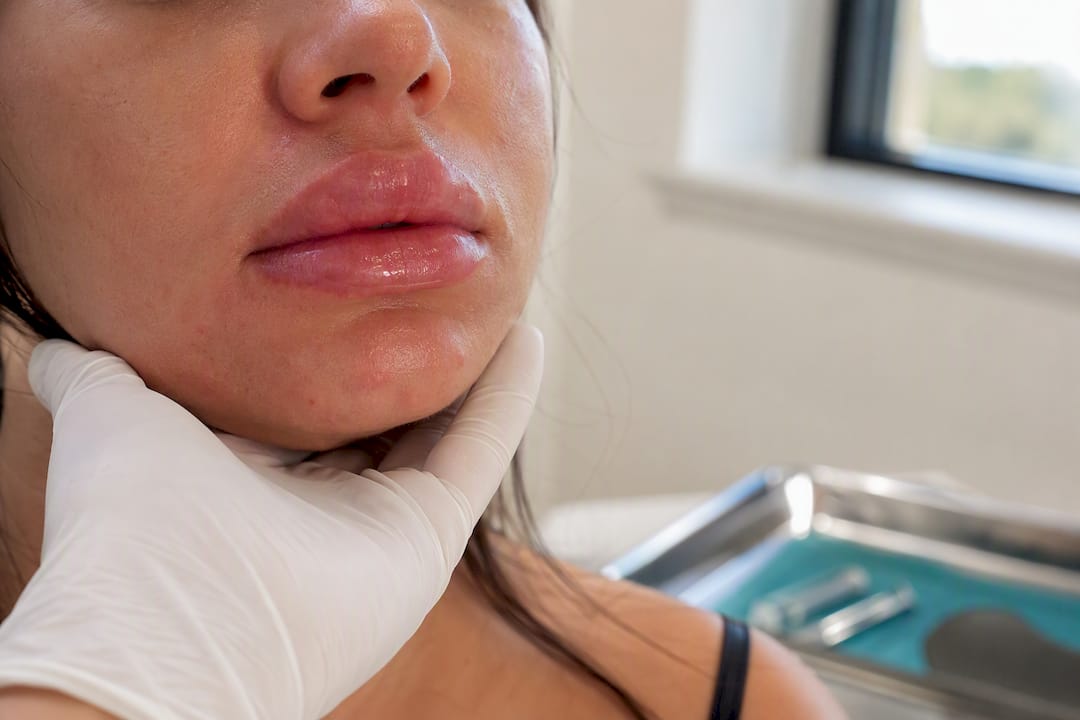
What happens on day 4 after getting lip filler?
By day 4, swelling usually drops off visibly, bruising begins fading from purple toward yellow-green, and the lips start feeling and moving more naturally.
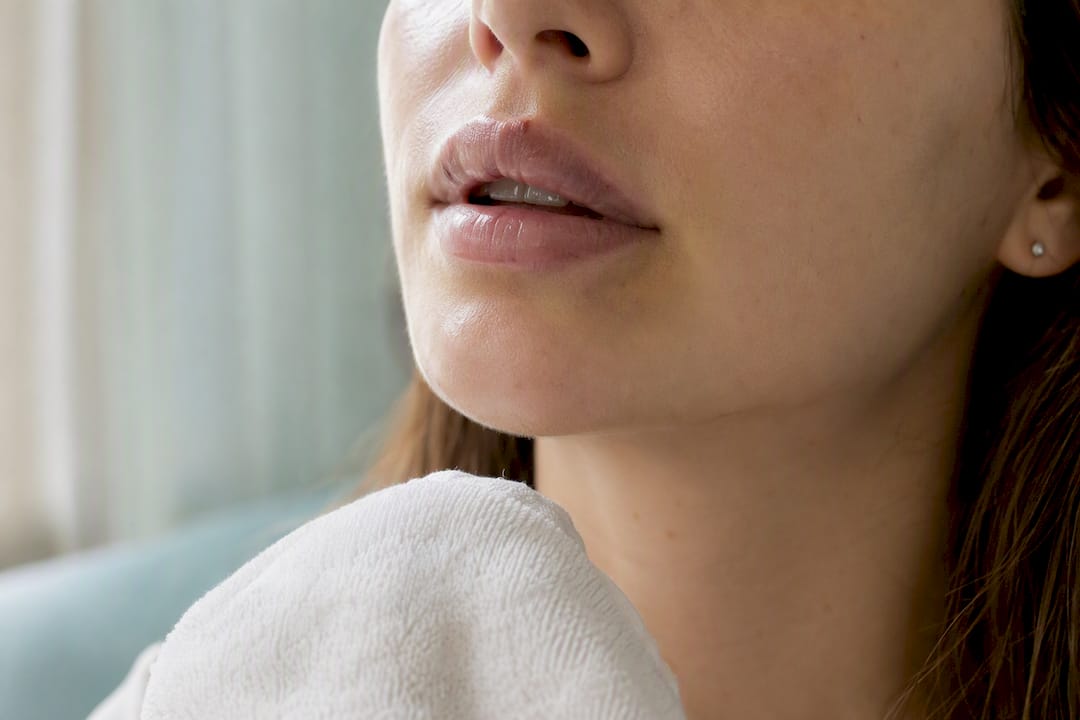
Why do my lips look uneven 3 days after fillers?
Temporary asymmetry at day 3 almost always reflects uneven swelling distribution between the two sides, not misplaced filler, and typically resolves within the first week.
What should I expect on day 6 after getting lip filler?
By day 6, most patients see substantially reduced puffiness and fading bruises, though some firmness or minor lumps can still be present until closer to the two-week mark.
How long do lip fillers actually last once swelling is gone?
Hyaluronic acid lip filler typically remains visible for 6 to 18 months, well beyond the days-to-weeks window in which swelling itself resolves.