
Dental veneers are thin, custom-made shells bonded to the front surface of your teeth to change their color, shape, or size. They are the right choice when your goal is cosmetic improvement and your underlying oral health is stable. According to the American Dental Association’s MouthHealthy resource, veneers are a medical procedure, not a cosmetic shortcut, and most are irreversible once enamel is removed.
Before you commit, here is what to confirm:
- Your gums are healthy and free of active disease
- Any decay has been treated before veneer placement
- You understand that most veneers permanently alter your tooth structure
- Porcelain veneers typically last at least 10 years with proper care
- You have verified your provider holds a valid license from the UAE’s Ministry of Health or relevant authority
- Patients in Sharjah and across the UAE can book an in-person assessment at Cosmolaser Medical Centre to confirm candidacy
Key Takeaways
Porcelain veneers are a durable, generally irreversible cosmetic restoration best suited to patients with stable oral health, realistic expectations, and a commitment to protective aftercare habits.
| Point | Details |
|---|---|
| Candidacy first | Healthy gums and no active decay are required before any veneer preparation begins. |
| Material choice matters | Porcelain lasts 10–15 years and resists staining; composite costs less but typically lasts 5–7 years. |
| Irreversibility is real | Enamel removal is permanent for most veneers; understand this before consenting to treatment. |
| Protect your investment | A custom night guard for bruxism and nonabrasive toothpaste are the two most impactful aftercare steps. |
| Cosmolaser Medical Centre | Licensed veneer consultations in Sharjah with CBCT-guided planning and full clinical documentation. |
Table of Contents
- What are dental veneers and how do they work?
- Which type of veneer is right for you?
- What happens before, during, and after veneer placement?
- What are the real benefits and risks of veneers?
- How much do veneers cost and how long do they last?
- Who is a good candidate, and what are the alternatives?
- How do you care for veneers to make them last?
- How do you choose a qualified veneer provider in the UAE?
- Balancing aesthetic goals with dental health
- Cosmolaser Medical Centre: licensed veneer care in Sharjah
- Sources
- FAQ
What are dental veneers and how do they work?
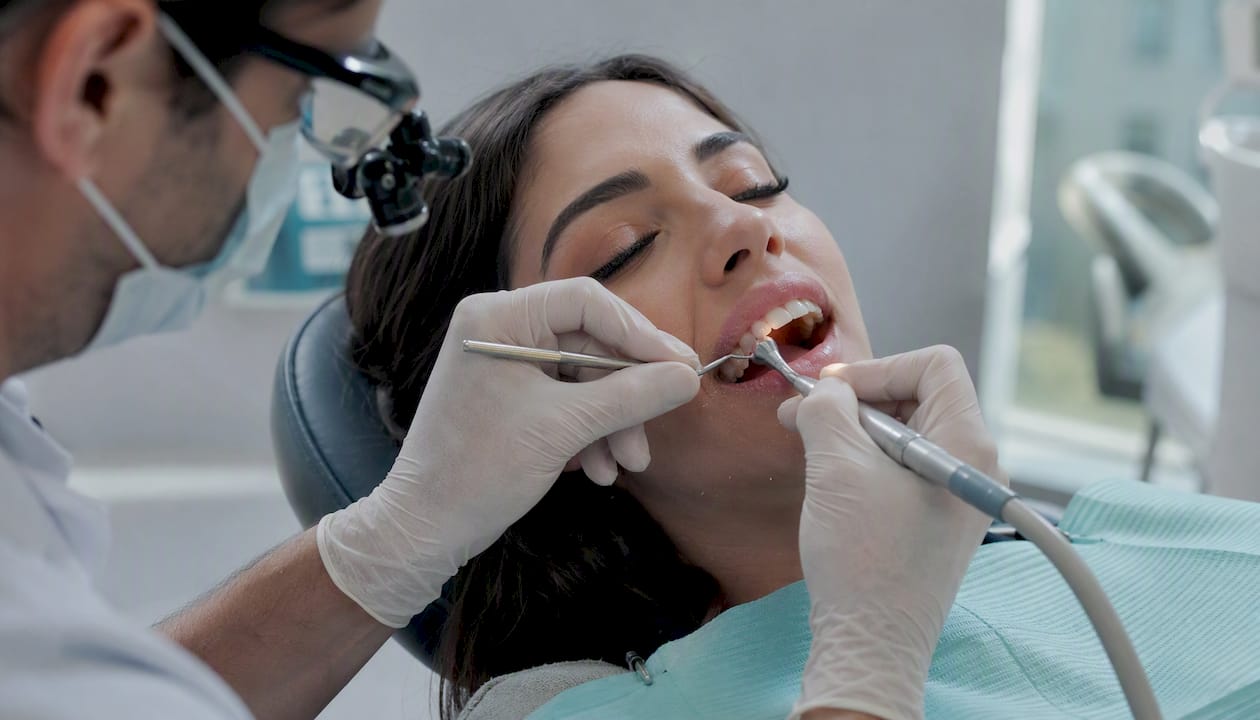
A veneer is a shell of porcelain or composite resin, roughly 0.5–2 mm thick, that a dentist bonds to the front-facing surface of a tooth. Think of it as a precisely fitted cover: the underlying tooth structure remains, but everything visible from the front changes. The bond is achieved with a dental adhesive and light-curing process that locks the shell in place against the prepared enamel.
The anatomy matters here. Your tooth has an outer enamel layer, a deeper dentin layer, and a pulp core. For most veneers, the dentist removes a thin layer of enamel from the front surface so the shell sits flush rather than protruding. That enamel does not grow back, which is why the ADA classifies the procedure as generally irreversible.
How veneers differ from crowns
| Feature | Veneer | Crown |
|---|---|---|
| Coverage area | Front surface only | Entire tooth |
| Enamel removed | Thin layer (0.5–2 mm) | Substantial (all sides) |
| Primary use | Cosmetic correction | Structural restoration |
| Reversibility | Generally not reversible | Not reversible |
| Typical lifespan | 10–15 years (porcelain) | 10–15+ years |
Crowns are the clinical choice when a tooth is cracked, heavily decayed, or structurally compromised. Veneers address appearance on an otherwise sound tooth. Choosing the wrong option for the wrong problem creates clinical complications, which is why a thorough exam always comes first.
Which type of veneer is right for you?
The American College of Prosthodontists recommends porcelain veneers for significant aesthetic concerns such as severe discoloration or gaps, while noting that cosmetic bonding is the more conservative path for minor corrections. Understanding the four main types helps you have a more informed conversation with your dentist.
Porcelain veneers are fabricated in a dental laboratory from ceramic material. They are stain resistant, closely mimic natural enamel translucency, and typically last at least 10 years. The trade-off is cost and time: placement requires at least two visits and a lab fabrication period.
Composite resin veneers are sculpted directly onto the tooth in a single appointment. They cost less and require less enamel removal, but they stain more readily and generally have a shorter lifespan than porcelain.
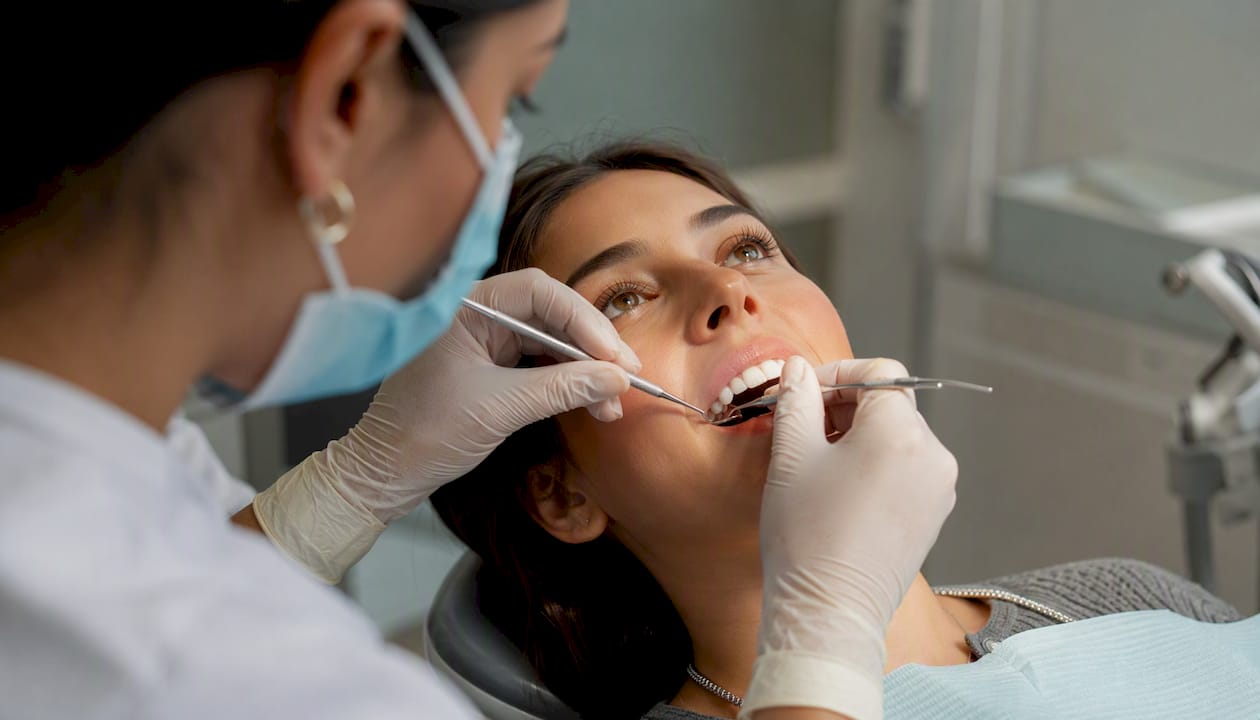
No-prep or minimal-prep veneers use ultra-thin ceramic shells that require little to no enamel reduction. They suit a narrow set of cases, primarily teeth that are already slightly smaller than ideal or where the patient’s bite permits the added thickness.
Removable snap-on veneers are temporary aesthetic appliances that clip over existing teeth. The Cleveland Clinic notes they can impair speech and eating and are not a substitute for permanent restorative treatment.
Pro Tip: If you are under 25 and your teeth are still developing, composite veneers offer a lower-commitment option while you decide on a long-term plan.
What happens before, during, and after veneer placement?
Pre-treatment
The process begins with a consultation that includes a full oral exam, photographs, shade selection, and, for complex cases, radiographs or CBCT imaging to assess bone and root health. Any active decay or gum disease must be resolved before veneer work begins. Cosmolaser Medical Centre uses CBCT-guided diagnosis for complex cases, which adds precision to treatment planning.
Treatment timeline
Healthline’s patient-facing summary confirms that composite veneers can often be completed in a single visit, while porcelain veneers typically require multiple appointments. Here is the standard sequence for porcelain:
- Consultation and planning — exam, photos, shade matching, impressions or digital scan
- Tooth preparation — enamel reduction, final impressions sent to the lab
- Temporaries placed — acrylic temporaries protect the prepared teeth during the lab phase (1–2 weeks)
- Try-in appointment — the lab-fabricated shells are checked for fit, shade, and bite
- Bonding — final cementation with dental adhesive and light curing
- Follow-up — bite check and gum assessment at 1–2 weeks post-placement
Post-procedure expectations
Mild sensitivity to temperature is common for a few days after bonding, particularly where enamel was reduced. Gum soreness around the margins typically resolves within a week. You can resume normal eating within 24 hours, though avoiding very hard or sticky foods for the first few days is advisable.
Pro Tip: Before your final bonding appointment, wear your temporaries for at least a week and note any speech or bite discomfort. Adjustments are far easier to make before the permanent shells are cemented.
| Step | Timing | What to Expect |
|---|---|---|
| Consultation and exam | Day 1 | Oral health assessment, shade selection |
| Tooth preparation | Day 1–2 | Enamel reduction, impressions, temporaries placed |
| Lab fabrication | 1–2 weeks | Porcelain shells custom-made |
| Try-in and bonding | Week 2–3 | Fit check, final cementation |
| Follow-up | 1–2 weeks post-bond | Bite and gum review |
What are the real benefits and risks of veneers?
Benefits
- Dramatic aesthetic improvement: masks chips, cracks, stains, gaps, and minor misalignment
- Porcelain’s stain resistance outperforms natural enamel against coffee, tea, and red wine
- Can protect worn tooth surfaces and, when correctly placed, may reduce food-trapping gaps that contribute to periodontal risk, per UnitedHealthcare’s clinical overview
- Predictable shade matching with modern ceramic materials
- Long-lasting results when oral hygiene and protective habits are maintained
Risks and downsides
- Enamel removal is permanent for most types; the tooth will always require a restoration afterward
- Increased sensitivity to hot and cold, particularly in the weeks following preparation
- Gum irritation at the veneer margin, especially if the fit is imprecise
- Porcelain fracture: a cracked porcelain veneer is rarely repairable and typically requires full replacement
- Bruxism (teeth grinding or clenching) significantly raises the risk of chipping or fracture
Clinical caution: Veneers placed over teeth with untreated decay or gum disease can mask active infection and delay diagnosis. The ADA explicitly warns against using unlicensed providers, citing risks that include infection, nerve damage, and concealed underlying disease. A licensed dentist who completes a thorough exam before any preparation is non-negotiable.
How much do veneers cost and how long do they last?
Cost and lifespan are the two questions patients ask most, and both depend heavily on material choice and provider experience.
Healthline reports that porcelain veneers cost substantially more than composite, driven by laboratory fees, the number of appointments, and the ceramist’s skill. Composite veneers, placed chairside in a single visit, carry lower fees but a shorter functional lifespan.
Note: These ranges reflect US market data. Patients in the UAE should request a personalized quote directly from a licensed clinic such as Cosmolaser Medical Centre, as regional pricing differs.
Factors that shorten lifespan:
- Untreated bruxism or clenching
- Biting hard objects (ice, fingernails, pen caps)
- Poor oral hygiene leading to gum recession at the margin
- Highly acidic diet that weakens the bonding interface
On insurance: Veneers are almost universally classified as cosmetic procedures and are not covered by standard dental insurance plans. If there is a documented functional or medical reason for the restoration, ask your insurer about partial coverage and keep all clinical records.
Who is a good candidate, and what are the alternatives?
Candidate checklist
- Healthy gums with no active periodontal disease
- Minimal to no untreated decay
- Sufficient enamel remaining for bonding
- Realistic expectations about shade and shape outcomes
- Mild to moderate cosmetic concerns (discoloration, chips, minor gaps)
- Willingness to commit to long-term maintenance and follow-up
Patients with heavy bruxism are not automatically excluded, but they must be willing to wear a custom night guard consistently. Uncontrolled grinding will fracture even well-placed porcelain.
When veneers are not appropriate
- Active gum disease or significant bone loss
- Extensive decay requiring structural restoration (a crown is indicated)
- Severely misaligned teeth where orthodontics would achieve a better outcome
- Unrealistic expectations that cannot be met by a surface restoration
Conservative alternatives to consider first
| Alternative | Best For | Trade-Off vs Veneers |
|---|---|---|
| Cosmetic bonding | Minor chips, small gaps | Less durable; stains more easily |
| Professional whitening | Staining and discoloration | No structural change; does not fix shape |
| Orthodontics (braces/aligners) | Alignment and spacing | Longer treatment; no color change |
| Crowns | Structurally compromised teeth | More enamel removed; higher cost |
For alignment concerns, Cosmolaser’s orthodontic services offer an in-clinic path before committing to veneers. For discoloration alone, professional teeth whitening is a fully reversible first step worth exploring.
How do you care for veneers to make them last?
Good veneer aftercare is not complicated, but consistency is what separates a 7-year restoration from a 15-year one.
Daily routine:
- Brush twice daily with a soft-bristled toothbrush and a nonabrasive fluoride toothpaste
- Floss once daily, paying attention to the gum margin around each veneer
- Rinse with a non-alcohol mouthwash to avoid drying the gum tissue
Behavioral do’s and don’ts:
- Avoid biting hard objects: ice, hard candy, pen caps, and fingernails
- Cut hard foods (apples, crusty bread) rather than biting directly
- Limit coffee, red wine, and dark-pigmented foods, particularly for composite veneers
- Never use your teeth as tools to open packaging
Protective gear: If you have any history of clenching or grinding, a custom night guard is the single most cost-effective protective measure available. A cracked porcelain veneer requires full replacement, per the American College of Prosthodontists, so prevention is far cheaper than repair. Patients who play contact sports should also use a sports mouthguard.
Pro Tip: Schedule professional cleanings every 6 months and ask your hygienist to use a non-abrasive polishing paste specifically safe for ceramic restorations. Standard prophylaxis paste can dull the surface of composite veneers over time.
The Cleveland Clinic’s aftercare guidance reinforces avoiding hard objects and keeping regular dental cleanings as the two most impactful daily habits. For a broader look at why follow-up scheduling matters across aesthetic procedures, Cosmolaser’s resource on aftercare for aesthetic procedures is worth reviewing.
How do you choose a qualified veneer provider in the UAE?
Veneers are a medical procedure. The ADA is explicit that unlicensed providers carry risks including infection, nerve damage, and masked underlying disease. In the UAE, providers must hold registration with the Ministry of Health (MoH), the Dubai Health Authority (DHA), or the Department of Health Abu Dhabi (DOH), depending on the emirate.
Questions to ask at your consultation:
- Is your clinic licensed by MoH, DHA, or DOH?
- What is your specific experience with porcelain veneers, and can you show before-and-after photos of similar cases?
- Which dental laboratory fabricates your porcelain restorations, and is it certified?
- What is your warranty or repair policy if a veneer chips or debonds within the first year?
- Will I receive temporary veneers during the lab phase?
- What follow-up schedule do you recommend after bonding?
Red flags to avoid:
- Any provider who offers to place veneers without a clinical exam or X-rays
- No visible license or registration certificate on display or provided on request
- Extremely low pricing with no case portfolio or before-and-after documentation
- Pressure to proceed immediately without a formal treatment plan
- Use of unlicensed or unverified dental technicians
Trust signals to request:
- A written, medically reviewed treatment plan with documented clinical photographs
- Laboratory certification for the ceramist fabricating your restorations
- Clear documentation of the shade selected and the expected outcome
Cosmolaser Medical Centre operates as a licensed clinic in Sharjah, offering in-person veneer consultations with full clinical documentation and CBCT-guided planning for complex cases.
Balancing aesthetic goals with dental health
The most common mistake patients make is treating veneers as a purely cosmetic decision. They are a long-term clinical commitment with real biological consequences, and the best outcomes come from approaching them that way.
Patients who research veneers online often arrive at a consultation with a specific shade in mind and a timeline driven by a social event. That is understandable. But the clinical reality is that the right shade, the right material, and the right timing depend on factors no photograph can reveal: gum health, enamel thickness, bite dynamics, and the presence of parafunctional habits like clenching.
For extensive cases involving six or more teeth, a second opinion from a prosthodontist is worth the additional consultation fee. Prosthodontists complete three additional years of specialty training beyond dental school, specifically in complex restorations. Their input on material selection and occlusal planning can prevent failures that would otherwise require costly replacement.
Conservative treatment should always be the default when it can achieve the patient’s goal. A single discolored tooth may respond fully to whitening. A minor chip may be corrected with composite bonding in one visit. Veneers are the right answer when those options genuinely cannot meet the patient’s expectations, not simply because they produce a more dramatic result.
Patients in the UAE benefit from booking in-person consultations at licensed clinics where clinical photographs, shade guides, and digital planning tools are available in the room. Remote consultations and social media consultations cannot substitute for a hands-on exam.
Cosmolaser Medical Centre: licensed veneer care in Sharjah
Patients in Sharjah and across the UAE who are ready to explore veneers have a clear advantage in choosing a clinic that combines dental expertise with advanced diagnostic technology. Cosmolaser Medical Centre offers in-person veneer consultations with full clinical assessment, CBCT-guided planning for complex cases, and a qualified dental team experienced in both porcelain and composite restorations.
Unlike a remote quote or a social media recommendation, an in-clinic consultation at Cosmolaser gives you an accurate picture of your candidacy, a documented treatment plan, and realistic pricing specific to your case. The clinic’s licensed team follows the same clinical standards referenced throughout this guide, including thorough oral health checks before any preparation begins.
To take the next step, book your veneer consultation at Cosmolaser Medical Centre and arrive with your questions from the provider checklist above. A clear treatment plan, a verified license, and a documented shade selection are what separate a successful veneer outcome from a costly one.
Sources
The following authoritative sources were used throughout this guide. Each covers a distinct aspect of veneer care and is worth reading directly for clinical definitions, procedural detail, and cost context.
- Veneers | MouthHealthy – Oral Health Information from the ADA
- Frequently Asked Questions about Dental Veneers | American College of Prosthodontists
- Veneers: What Are Dental Veneers? Cost, Procedure & Advantages | Cleveland Clinic
- Dental Veneers: Benefits, Procedure, Costs, and Results | Healthline
- What to know about dental veneers | UnitedHealthcare
FAQ
How much do dental veneers actually cost?
Porcelain veneers in the US typically range from $925 to $2,500 per tooth, while composite veneers range from $250 to $1,500 per tooth, according to Healthline. Patients in the UAE should request a personalized quote from a licensed clinic, as regional pricing differs from US market figures.
How long do dental veneers last?
Porcelain veneers typically last at least 10 years, with many lasting up to 15 years under good care, per the Cleveland Clinic. Composite veneers generally last 5–7 years; bruxism, poor oral hygiene, and biting hard objects are the main factors that shorten lifespan.
What is the main downside of getting veneers?
The primary downside is irreversibility: a layer of enamel is permanently removed from the tooth surface, meaning the tooth will always require a restoration going forward. The ADA also notes increased sensitivity, potential gum irritation, and higher failure risk for patients who grind their teeth.
What happens to the teeth underneath veneers?
The underlying tooth structure remains intact but is permanently altered by enamel reduction. If a veneer fails or is removed, the prepared tooth must be restored with a new veneer or another restoration. Placing veneers over untreated decay or gum disease can conceal active infection, which is why a thorough clinical exam before preparation is clinically mandatory.