
TL;DR:
- Skin rejuvenation involves treatments that stimulate collagen and restore skin health through clinically supervised procedures. Proper sequencing and professional oversight are essential to maximize results and prevent complications. Lifestyle habits like sun protection, hydration, and sleep help maintain the longevity of treatment outcomes.
Skin rejuvenation is defined as a set of clinically supported treatments that stimulate the skin’s natural repair mechanisms, boost collagen production, and restore a healthier, more youthful appearance. Skin rejuvenation best practices go well beyond a single procedure. They combine evidence-based medical treatments, professional supervision, and consistent at-home maintenance to deliver lasting results. Whether you are considering fractional laser therapy, chemical peels, or injectables such as botulinum toxin and dermal fillers, the outcomes depend heavily on correct treatment sequencing and the expertise of your clinician.
1. What are the most effective medical skin rejuvenation treatments?
Medical-grade procedures form the foundation of any credible skin renewal plan. Each works through a distinct biological mechanism, and understanding those differences helps you choose the right option for your skin concerns.
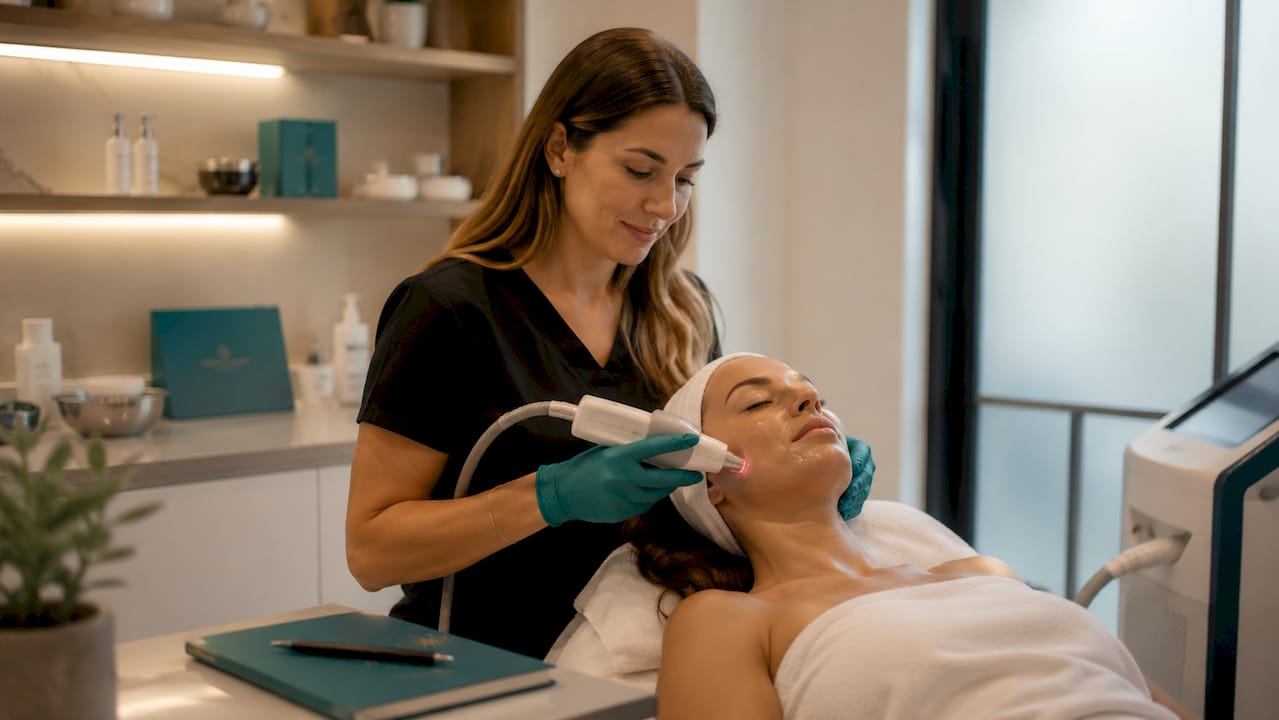
Fractional laser (ablative and non-ablative)
Fractional lasers deliver controlled columns of thermal energy into the dermis, triggering collagen remodelling without destroying the entire skin surface. CO2 fractional laser is the ablative gold standard for deeper lines, acne scars, and textural irregularities. Non-ablative variants suit patients who need less downtime. Fractional laser recovery typically involves 3–5 days of redness and peeling. That window is short relative to the depth of improvement achieved.
Chemical peels
Chemical peels use acids such as glycolic, salicylic, or trichloroacetic acid to remove damaged outer layers and accelerate cell turnover. Professional peels require customised formulation and application based on a thorough skin assessment, unlike at-home versions. That customisation is what separates a safe, effective result from a chemical burn.
Microneedling with PRP
Radiofrequency microneedling creates microscopic channels in the dermis while delivering heat energy to tighten tissue. When combined with platelet-rich plasma (PRP), the growth factors in the patient’s own blood amplify collagen induction. This combination suits patients with mild to moderate laxity, enlarged pores, or post-inflammatory hyperpigmentation.
Injectables: botulinum toxin and dermal fillers
Botulinum toxin smooths rhytides and balances facial muscle activity, making it a key component of multimodal rejuvenation. Dermal fillers restore lost volume in areas such as the cheeks, nasolabial folds, and lips. Used together, these two modalities address both dynamic lines and structural volume loss.
| Treatment | Primary concern | Typical downtime | Results timeline |
|---|---|---|---|
| CO2 fractional laser | Scars, deep lines, texture | 3–5 days | 3–6 months |
| Chemical peel | Pigmentation, dullness | 3–7 days | 4–8 weeks |
| Microneedling with PRP | Pores, laxity, tone | 1–2 days | 6–12 weeks |
| Botulinum toxin | Dynamic wrinkles | None | 2–4 weeks |
| Dermal fillers | Volume loss, folds | Minimal | Immediate |
2. How to combine skin rejuvenation treatments safely
Combining treatments amplifies results, but the order and timing matter enormously. Respecting biological healing timelines prevents complications such as vascular occlusion, oedema, or prolonged inflammation.
The key sequencing rule is straightforward. Energy-based devices should be performed before filler placement, or at a minimum of 2–4 weeks after, to avoid heat-induced filler migration or inflammatory reactions. Performing a laser session over freshly placed filler risks distorting the product and damaging surrounding tissue.
Safety also depends on anatomical knowledge. Mastery of angiosomal anatomy for injections is critical in preventing complications in high-risk facial zones such as the glabella, nasolabial region, and temples. A clinician who does not understand the vascular supply in these areas can inadvertently cause skin necrosis or vision loss.
Recommended sequencing principles:
- Perform energy-based treatments first, then allow 2–4 weeks before any filler placement.
- Space fractional laser sessions 4–6 weeks apart for a standard course of 3–6 treatments.
- Allow full recovery from ablative procedures before introducing injectables.
- Combine botulinum toxin and fillers in the same session only when a certified clinician confirms tissue stability.
- Schedule maintenance peels between laser courses to sustain skin quality.
Pro Tip: Always consult a certified dermatologist or plastic surgeon before combining modalities. A written treatment plan with defined intervals protects both your skin and your investment. Cosmolaser’s team provides a full assessment before recommending any combined approach.
For a detailed breakdown of safe treatment pairing, Cosmolaser’s guide on combining cosmetic treatments covers the clinical rationale behind each sequencing decision.
3. What lifestyle habits support lasting skin rejuvenation results?
Clinical treatments create the conditions for skin renewal. Lifestyle habits determine how long those results last. Sun protection, hydration, and quality sleep are the three non-negotiable pillars that support every professional treatment you undergo.
Ultraviolet exposure degrades newly formed collagen and triggers post-inflammatory hyperpigmentation, particularly after laser or peel treatments. A broad-spectrum SPF 50 applied daily is not optional. It is the single most cost-effective anti-ageing measure available.
Hydration supports the skin barrier and accelerates cellular repair. Drinking adequate water matters, but topical hydration with ingredients such as hyaluronic acid and ceramides is equally important. Medical-grade skincare products prescribed after treatment maintain the dermal environment that procedures work to create.
Supportive daily habits include:
- Apply SPF 50 every morning, regardless of weather or season.
- Use a gentle, pH-balanced cleanser to avoid stripping the skin barrier.
- Incorporate medical-grade retinoids or growth factor serums as directed by your clinician.
- Prioritise 7–8 hours of sleep to allow overnight cellular repair.
- Eat a diet rich in antioxidants, omega-3 fatty acids, and vitamin C to support collagen synthesis.
Pro Tip: After any ablative procedure, avoid active ingredients such as AHAs, retinoids, and vitamin C for at least one week unless your clinician advises otherwise. Cosmolaser’s post-treatment skincare guide outlines exactly which products to use and when.
4. What are the risks and how do you avoid complications?
Skin rejuvenation procedures carry real risks when performed outside a clinical setting or by undertrained practitioners. Scarring, burns, uneven pigmentation, and infection are all documented outcomes of poorly administered treatments.
Non-clinical settings increase the risk of serious complications from injectables and lasers. Dermatologists specifically warn against salon-administered botulinum toxin, fillers, and laser procedures. The consequences of these errors are not always reversible.
“Certified clinicians with knowledge of facial anatomy and safety protocols are essential to avoid serious complications in skin rejuvenation. Mistakes in injectables and energy treatments at non-clinical settings can lead to scars, burns, uneven colour, or infections.”
Protecting yourself from complications requires deliberate choices:
- Verify that your practitioner holds a recognised medical qualification in dermatology or aesthetic medicine.
- Confirm the clinic is licensed and operates under health authority regulations.
- Ask to see the specific device being used and confirm it is a medically approved model.
- Request a patch test or consultation before any laser or chemical peel session.
- Avoid any provider who offers treatments without a prior skin assessment.
Skin tightening procedures and energy-based devices in particular require calibrated settings matched to your Fitzpatrick skin type. A device set incorrectly for darker skin tones can cause permanent hyperpigmentation. This is not a risk worth taking outside a supervised medical environment.
5. What is collagen biobanking and why does it matter?
The most forward-thinking approach in aesthetic dermatology has shifted from reactive wrinkle filling to proactive collagen preservation. Collagen biobanking describes the strategy of stimulating neocollagenesis before age-related collagen loss becomes visible. The logic is simple: it is far easier to maintain a healthy collagen reserve than to rebuild one that has already depleted.
Treatments such as collagen biostimulators, radiofrequency microneedling, and low-fluence laser sessions all contribute to this reserve. Starting these treatments in your thirties, before significant laxity appears, produces better long-term outcomes than waiting until the signs are already pronounced.
This philosophy also changes how clinicians plan treatment programmes. Rather than addressing individual concerns in isolation, the goal becomes building and maintaining dermal density over time. Patients who adopt this approach typically require fewer corrective procedures later, which reduces both cost and recovery burden.
Key takeaways
Effective skin rejuvenation requires combining medical-grade treatments, correct sequencing, professional oversight, and consistent daily maintenance to achieve safe and lasting results.
| Point | Details |
|---|---|
| Medical treatments drive results | Fractional laser, chemical peels, microneedling, and injectables each target distinct skin concerns through proven biological mechanisms. |
| Sequencing prevents complications | Energy-based devices must precede filler placement, with a minimum interval of 2–4 weeks between modalities. |
| Lifestyle habits sustain outcomes | Daily SPF 50, medical-grade skincare, and adequate sleep protect and extend the results of clinical treatments. |
| Clinical settings are non-negotiable | Non-clinical providers increase the risk of scarring, burns, and infection; always verify practitioner credentials. |
| Collagen biobanking is the future | Starting proactive collagen stimulation before visible ageing appears produces better long-term skin health. |
A clinician’s perspective on skin rejuvenation in 2026
The conversation I have most often with patients is about expectations. They arrive having seen a result on social media and want that specific outcome. What I try to explain is that the result they admire was almost certainly the product of a multi-year, multimodal programme, not a single session.
The shift toward collagen biobanking genuinely excites me. For years, aesthetic medicine was reactive. A patient developed a deep fold, we filled it. Now the evidence supports starting earlier, building collagen reserves before the loss is visible. That is a more intelligent use of both the patient’s time and their budget.
What concerns me is the volume of unregulated providers entering the market. I see patients who have had fillers placed in salon settings, sometimes with products that are not medically approved. The complications are real and sometimes permanent. My consistent advice: the credential of the person holding the syringe or the laser handpiece matters more than the price of the treatment.
Realistic expectations and a long-term plan, built with a licensed clinician who knows your skin type and medical history, are the two things that separate patients who are genuinely happy with their results from those who are not.
— Dr Anoop Suresh Babu
Professional skin rejuvenation at Cosmolaser
Cosmolaser, based in Sharjah, offers a full range of medically supervised skin rejuvenation treatments delivered by qualified dermatologists and aesthetic specialists.
The clinic’s services include CO2 fractional laser for deep resurfacing, professional chemical peels tailored to your Fitzpatrick skin type, and dermal fillers administered with full anatomical precision. Every patient receives a personalised treatment plan developed after a thorough clinical assessment. There are no one-size-fits-all protocols at Cosmolaser. The team designs each programme around your skin’s specific needs, your recovery availability, and your long-term goals. Book a consultation at Cosmolaser to begin a medically guided approach to skin health.
FAQ
What is skin rejuvenation?
Skin rejuvenation is a category of clinically supported treatments designed to stimulate collagen production, improve skin texture, and reduce visible signs of ageing through procedures such as fractional laser, chemical peels, and injectables.
How many fractional laser sessions are needed for best results?
A standard course of 3–6 fractional laser sessions spaced 4–6 weeks apart is recommended for optimal outcomes, with 3–5 days of redness and peeling expected after each session.
Why is medical supervision necessary for skin rejuvenation?
Non-clinical settings significantly increase the risk of complications including scarring, burns, infection, and uneven pigmentation. Certified clinicians with knowledge of facial anatomy are required to administer injectables and energy-based devices safely.
Can skin rejuvenation treatments be combined?
Yes, but sequencing is critical. Energy-based devices should be performed before filler placement, with a minimum interval of 2–4 weeks between modalities, to prevent inflammation and vascular complications.
What at-home habits support skin rejuvenation results?
Daily broad-spectrum SPF 50, consistent hydration, medical-grade skincare products, and 7–8 hours of sleep are the most effective lifestyle factors for maintaining and extending the results of professional treatments.
2 Responses