Metal, ceramic, lingual and self-ligating braces for teens and adults — CBCT-planned orthodontic treatment by specialist orthodontists at Cosmolaser Medical Centre, Sharjah.
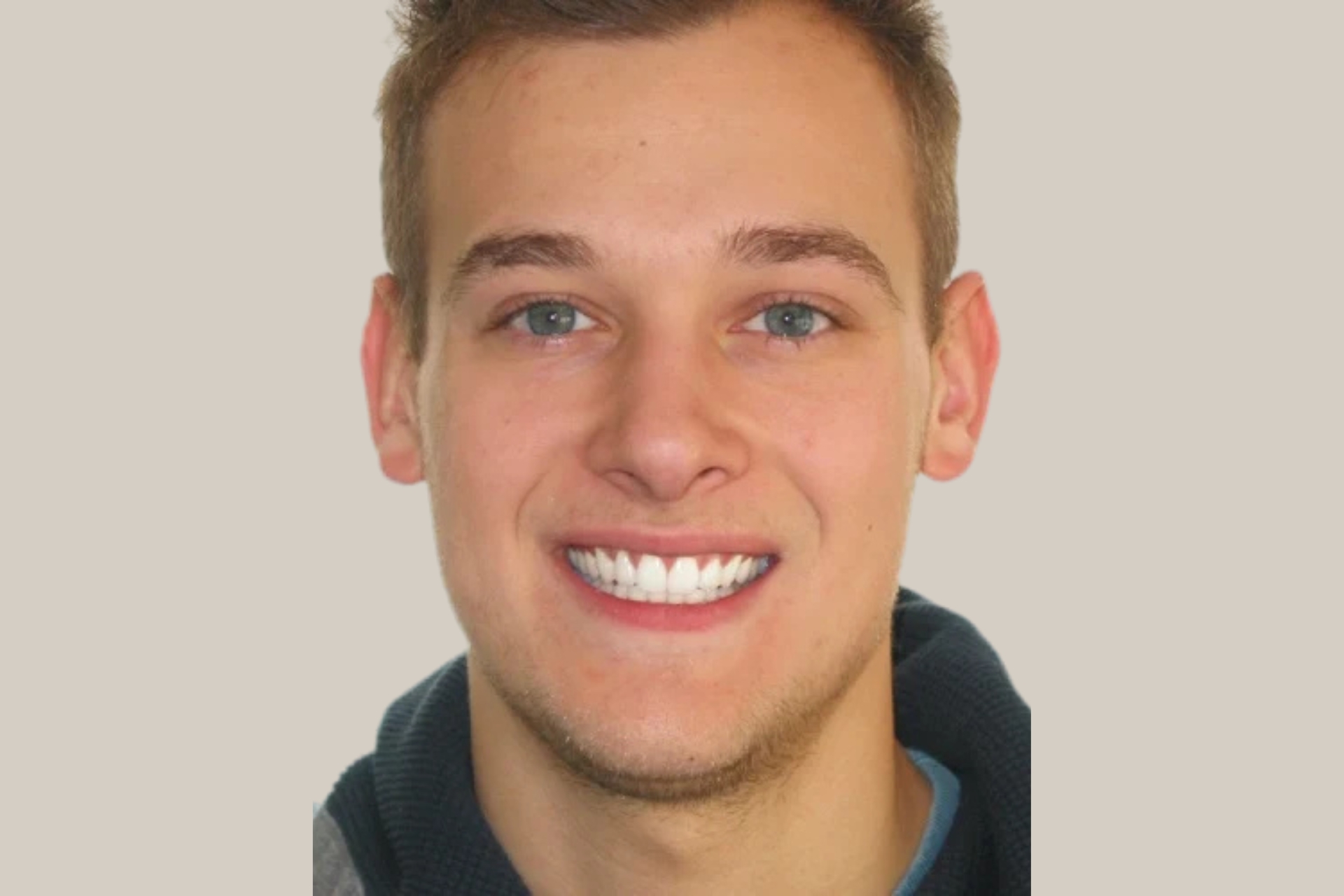
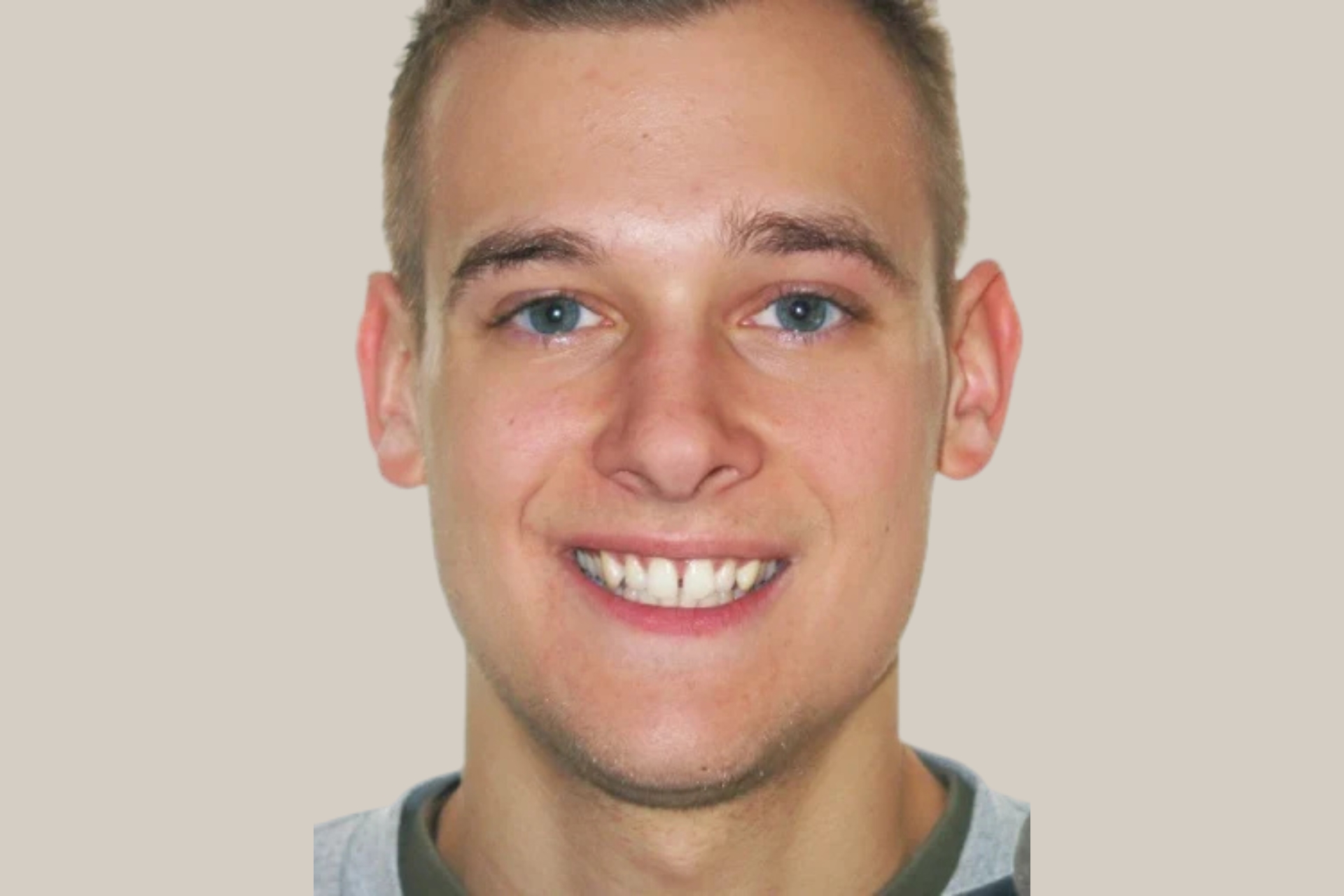
Orthodontic treatment in the UAE has shifted significantly in recent years. While braces were once considered exclusively a teenage treatment, adult orthodontics now accounts for a growing share of new patient starts across Sharjah and the wider Emirates. Working professionals in their 20s, 30s and 40s — many of whom did not have access to orthodontic care in childhood, or whose teeth have shifted after previous treatment — are increasingly seeking to correct their alignment as part of an overall investment in their appearance and dental health.
The UAE’s cosmopolitan professional environment, where appearance and confidence are closely linked to career and social standing, has driven this trend. At the same time, awareness of the long-term dental health benefits of straight teeth — easier cleaning, reduced wear, better jaw function — has grown considerably. For many adult patients, the decision between braces and clear aligners comes down to case complexity, budget, and how much visibility they are prepared to accept during treatment. Our orthodontists guide you through that decision honestly.
At Cosmolaser Medical Centre, all orthodontic treatment begins with in-house CBCT and OPG imaging to give the orthodontist a complete three-dimensional picture of the teeth, roots, bone levels and jaw relationship. This is especially important for adults, where underlying bone changes, root proximity issues and previous dental work require careful planning before any bracket is placed. You receive a full written treatment plan with accurate timelines and pricing before committing to any course of treatment.
Dental braces are fixed orthodontic appliances consisting of brackets bonded directly to the teeth, connected by an archwire that applies continuous, controlled pressure to move teeth into their planned positions. The wire is engaged in the bracket slot — either with elastic ligatures (traditional brackets) or a self-locking clip mechanism (self-ligating brackets) — and exerts forces that are transmitted to the periodontal ligament and alveolar bone surrounding each tooth root.
Tooth movement in orthodontics is a biological process, not a mechanical one. Pressure on the periodontal ligament signals bone remodelling: on the pressure side of a moving tooth, bone is resorbed; on the tension side, new bone is deposited. This cycle is how teeth shift through solid bone safely and predictably over a treatment period of typically 12–30 months, depending on the severity of the malocclusion and the brace system used.
Unlike clear aligners, fixed braces work continuously — 24 hours a day, 7 days a week — without requiring the patient to remember to wear them. This makes them particularly effective for complex tooth movements, significant rotations, vertical corrections and cases where patient compliance cannot be guaranteed. For many moderate-to-severe malocclusions, braces remain the gold standard orthodontic treatment.
Tooth Crowding | Spacing Issues | Bite Problems | Aesthetic Goals |
|---|---|---|---|
Mild crowding | Gaps between teeth | Overbite (deep bite) | Crooked front teeth |
Moderate crowding | Single tooth spacing | Underbite | Uneven smile line |
Severe crowding (with extraction) | Spacing from missing teeth | Crossbite | Midline discrepancy |
Rotated teeth | Post-treatment relapse spacing | Open bite | Protrusion (buck teeth) |
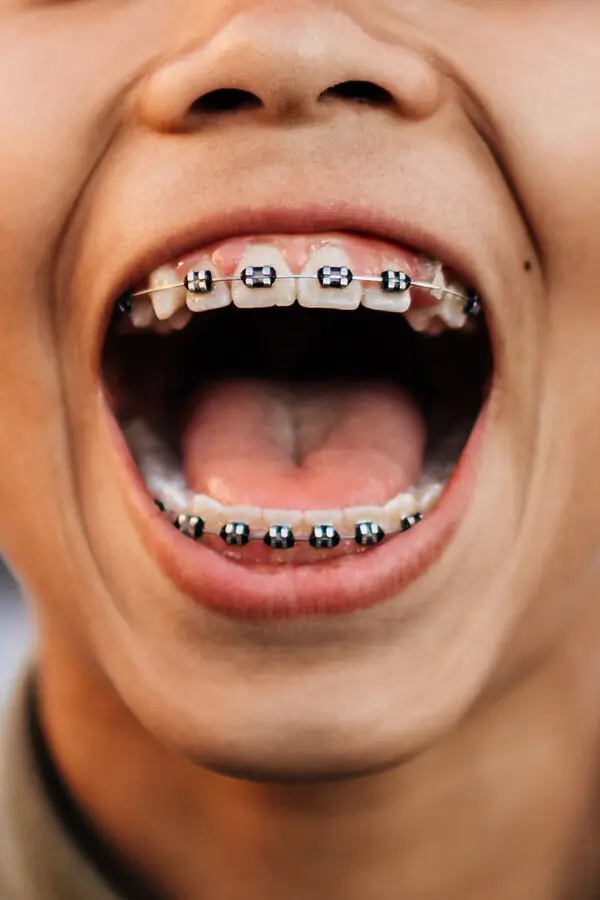
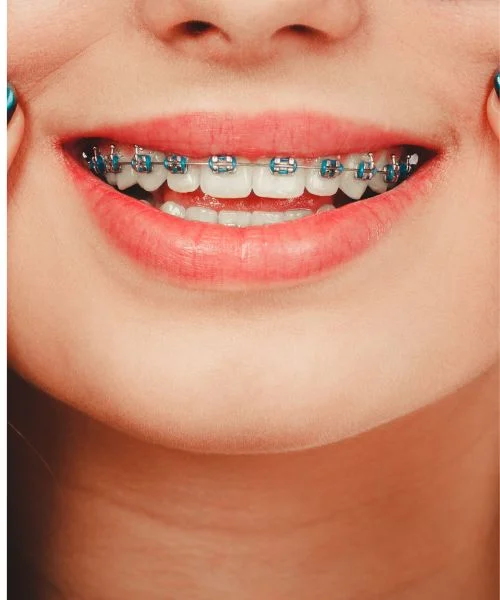
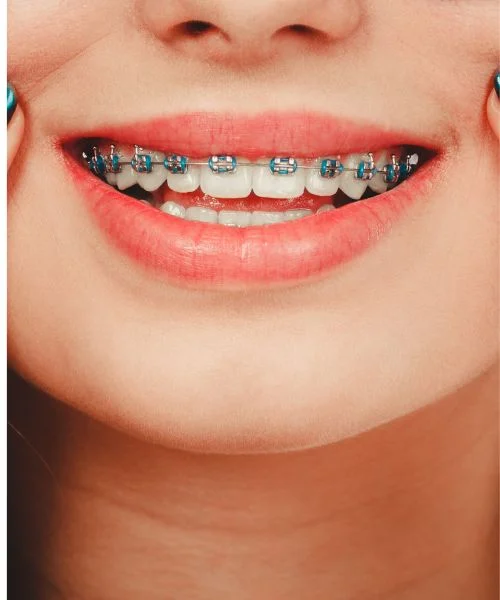
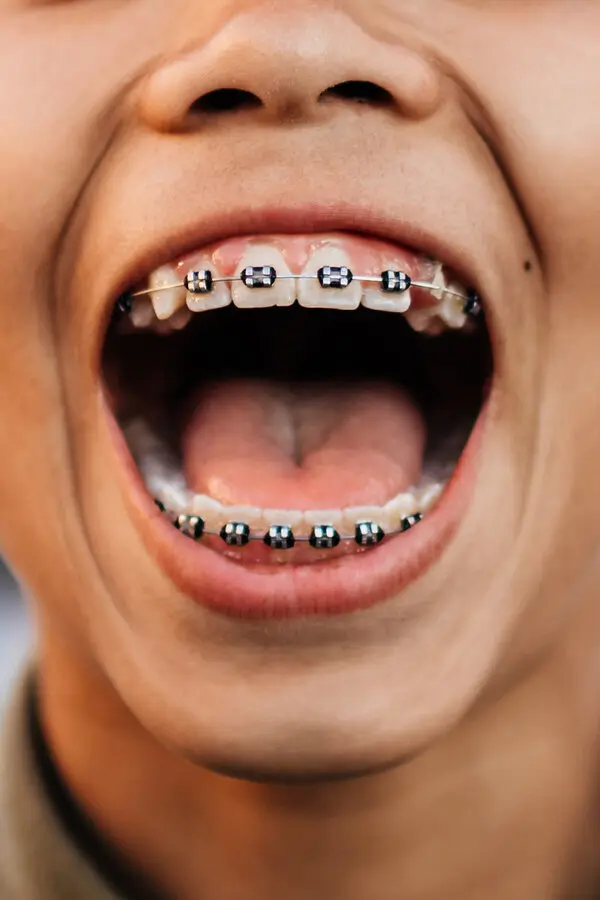
Metal braces are the most widely used orthodontic appliance globally and remain the most clinically versatile option available. Modern metal brackets are significantly smaller, lighter and more comfortable than those of a decade ago. High-grade stainless steel brackets are bonded to each tooth with dental adhesive; an archwire threaded through each bracket slot and secured with small elastic ties (ligatures) delivers the corrective forces.
For patients — particularly teenagers — where cost is a primary consideration, or where case complexity is high and maximum control over tooth movement is required, metal braces are often the recommended starting point. Coloured elastic ties are a popular option for younger patients who want to personalise their treatment. Metal braces are fully compatible with Cosmolaser’s CBCT-guided treatment planning workflow.
Bracket Material | High-grade stainless steel |
Visibility | Most visible option — clearly noticeable |
Treatment Suitability | 12–30 months depending on case complexity |
Approximate Duration | 12–30 months depending on case complexity |
Maintenance | Monthly adjustment appointments; elastic ties replaced each visit |
Ideal For | Teenagers, complex adult cases, patients prioritising cost, patients requiring maximum orthodontic control |
Colour Options | Silver brackets with choice of coloured elastic ties |
Ceramic braces use tooth-coloured or clear aluminium oxide brackets that blend with the natural tooth shade, making them substantially less visible than metal braces while delivering equivalent clinical performance. The archwire used with ceramic brackets is often a tooth-coloured coated wire, further reducing the visible profile of the appliance.
Ceramic braces are the most popular choice among adult professionals in Sharjah who want effective orthodontic treatment with reduced social visibility. They are slightly more brittle than metal brackets and require more careful cleaning — the ceramic material can stain with heavy consumption of coffee, tea or certain UAE spice-heavy foods if oral hygiene is not maintained. Your orthodontist will advise on specific dietary care during treatment.
Bracket Material | Aluminium oxide ceramic — tooth-coloured or clear |
Visibility | Low — blends with tooth shade; far less visible than metal |
Treatment Suitability | Most malocclusion types; slight limitation on extreme torque movements |
Approximate Duration | 12–30 months — same as metal for equivalent cases |
Maintenance | Monthly adjustments; brackets require gentle brushing to prevent staining |
Ideal For | Working adults, social professionals, patients wanting reduced visibility without lingual cost |
Staining Risk | Low with good oral hygiene; coffee, tea, turmeric can stain ties — replaced monthly |
Lingual braces are fixed orthodontic appliances bonded to the inner (tongue-facing) surfaces of the teeth — completely invisible from the front. From the outside, a patient wearing lingual braces appears to have no orthodontic treatment in progress whatsoever. This makes them the most discreet fixed brace option available, chosen by professionals, public-facing individuals, and patients who want effective treatment with zero visible compromise.
Lingual braces require a higher level of technical skill to place and adjust than conventional labial braces. Treatment planning involves precise 3D digital setup of each bracket position customised to the individual patient’s tooth anatomy — CBCT imaging is particularly valuable here for root and bone relationship planning. Initial adjustment to speech (a temporary mild lisp for 1–3 weeks) and tongue comfort is expected, and resolves in most patients within the first month. Lingual braces are fully functional for most malocclusion types, though very severe crowding cases may be evaluated individually.
Bracket Material | Aluminium oxide ceramic — tooth-coloured or clear |
Visibility | Low — blends with tooth shade; far less visible than metal |
Treatment Suitability | Most malocclusion types; slight limitation on extreme torque movements |
Approximate Duration | 12–30 months — same as metal for equivalent cases |
Maintenance | Monthly adjustments; brackets require gentle brushing to prevent staining |
Ideal For | Working adults, social professionals, patients wanting reduced visibility without lingual cost |
Staining Risk | Low with good oral hygiene; coffee, tea, turmeric can stain ties — replaced monthly |
Self-ligating braces use a built-in sliding door or clip mechanism on the bracket itself to hold the archwire — eliminating the need for elastic ligatures entirely. This reduces friction between the wire and bracket, allowing lighter forces to be used throughout treatment. Proponents of self-ligating systems cite reduced treatment time, fewer adjustment appointments, and improved patient comfort in the early stages of treatment compared to conventional ligated braces.
Self-ligating brackets are available in both metal (active self-ligating) and ceramic (passive self-ligating) forms. The Damon system is one of the most widely recognised self-ligating protocols. At Cosmolaser, we use self-ligating mechanics where the case profile and clinical assessment support their use — we do not apply them universally, as the evidence base for universal superiority over conventional brackets is nuanced and case-dependent. Your orthodontist will recommend the bracket system most appropriate for your specific tooth movement requirements.
Bracket Material | Aluminium oxide ceramic — tooth-coloured or clear |
Visibility | Low — blends with tooth shade; far less visible than metal |
Treatment Suitability | Most malocclusion types; slight limitation on extreme torque movements |
Approximate Duration | 12–30 months — same as metal for equivalent cases |
Maintenance | Monthly adjustments; brackets require gentle brushing to prevent staining |
Ideal For | Working adults, social professionals, patients wanting reduced visibility without lingual cost |
Staining Risk | Low with good oral hygiene; coffee, tea, turmeric can stain ties — replaced monthly |
Adult orthodontic treatment with fixed braces requires additional considerations beyond teenage cases. Bone density is higher in adults, meaning tooth movement can be slightly slower. Many adults have existing dental restorations (crowns, veneers, implants, bridges) that require specific bracket bonding protocols. Gum health must be assessed and any periodontal disease treated before orthodontic forces are applied — moving teeth through unhealthy bone accelerates bone loss. TMJ (jaw joint) assessment is also part of the adult orthodontic work-up at Cosmolaser.
The CBCT scan is particularly valuable in adults for assessing root lengths, existing bone levels and the proximity of tooth roots to each other in crowded arches — all of which influence the safe speed and extent of movement possible. Adults choosing between braces and clear aligners are given an honest comparison of both options for their specific case at consultation, including realistic timelines and costs for each pathway.
Bracket Material | Aluminium oxide ceramic — tooth-coloured or clear |
Visibility | Low — blends with tooth shade; far less visible than metal |
Treatment Suitability | Most malocclusion types; slight limitation on extreme torque movements |
Approximate Duration | 12–30 months — same as metal for equivalent cases |
Maintenance | Monthly adjustments; brackets require gentle brushing to prevent staining |
Ideal For | Working adults, social professionals, patients wanting reduced visibility without lingual cost |
Staining Risk | Low with good oral hygiene; coffee, tea, turmeric can stain ties — replaced monthly |
All brace treatments at Cosmolaser follow the same clinical pathway, from initial records through to retention:
Phase | Timeline | What Happens |
|---|---|---|
Records | Week 1 | CBCT 3D scan + OPG panoramic X-ray. Clinical photographs. Digital dental impressions or iTero scan. Full periodontal and dental health assessment. |
Treatment Planning | Week 1–2 | Orthodontist reviews all records. 3D digital treatment simulation prepared. Written treatment plan including brace type, estimated duration, extraction assessment, and full cost breakdown presented to patient. |
Pre-Orthodontic Dental Work | Weeks 2–4 | Any required fillings, extractions, periodontal treatment, or root canals completed before brace placement. Teeth must be fully healthy before orthodontic forces are applied. |
Bracket Bonding | Day of placement | Teeth cleaned and etched. Brackets bonded with dental adhesive. Archwire placed and engaged. Initial wire is always the lightest gauge — gentle forces to begin movement. Duration: 60–90 minutes. |
Active Treatment | Months 1–24+ | Regular adjustment appointments every 4–10 weeks (varies by system). Wire progressively upgraded through the sequence. Elastics (rubber bands) added when bite correction is required. Progress photos and X-rays at mid-treatment. |
Debond | End of treatment | Brackets removed. Adhesive carefully polished off. Final clinical photos and X-rays taken. Teeth cleaned and polished. |
Retention | Lifelong | Fixed lingual retainer bonded behind front teeth (upper and/or lower). Removable retainer provided for nighttime wear. Retention prevents relapse — this phase is permanent. Regular retainer checks included. |
Your orthodontist’s recommendation takes clinical precedence — not all brace types are equally appropriate for every case. Use this comparison as a starting guide:
Factor | Metal | Ceramic | Lingual | Self-Ligating | Aligners |
|---|---|---|---|---|---|
Visibility | High | Low | None | High / Low | Very low |
Case Range | All cases | Mild–severe | Most cases | Mild–severe | Mild–mod |
Compliance | None needed | None needed | None needed | None needed | 22 hrs/day |
Adj. Visits | 4–6 weekly | 4–6 weekly | 6–8 weekly | 6–10 weekly | 6–8 weekly |
Cost Level | Lowest | Moderate | Premium | Moderate+ | Moderate+ |
Best For | Teens, complex cases, budget priority | Adults wanting low visibility | Absolute discretion needed | Busy schedules, comfort priority | Mild cases, removable priority |
All brace treatments at Cosmolaser follow the same clinical pathway, from initial records through to retention:
Phase | Timeline | What Happens |
|---|---|---|
Records | Week 1 | CBCT 3D scan + OPG panoramic X-ray. Clinical photographs. Digital dental impressions or iTero scan. Full periodontal and dental health assessment. |
Treatment Planning | Week 1–2 | Orthodontist reviews all records. 3D digital treatment simulation prepared. Written treatment plan including brace type, estimated duration, extraction assessment, and full cost breakdown presented to patient. |
Pre-Orthodontic Dental Work | Weeks 2–4 | Any required fillings, extractions, periodontal treatment, or root canals completed before brace placement. Teeth must be fully healthy before orthodontic forces are applied. |
Bracket Bonding | Day of placement | Teeth cleaned and etched. Brackets bonded with dental adhesive. Archwire placed and engaged. Initial wire is always the lightest gauge — gentle forces to begin movement. Duration: 60–90 minutes. |
Active Treatment | Months 1–24+ | Regular adjustment appointments every 4–10 weeks (varies by system). Wire progressively upgraded through the sequence. Elastics (rubber bands) added when bite correction is required. Progress photos and X-rays at mid-treatment. |
Debond | End of treatment | Brackets removed. Adhesive carefully polished off. Final clinical photos and X-rays taken. Teeth cleaned and polished. |
Retention | Lifelong | Fixed lingual retainer bonded behind front teeth (upper and/or lower). Removable retainer provided for nighttime wear. Retention prevents relapse — this phase is permanent. Regular retainer checks included. |
Female patient, 17 years. Severe crowding upper and lower arches. Overjet 5mm. Upper canines high and labially displaced.
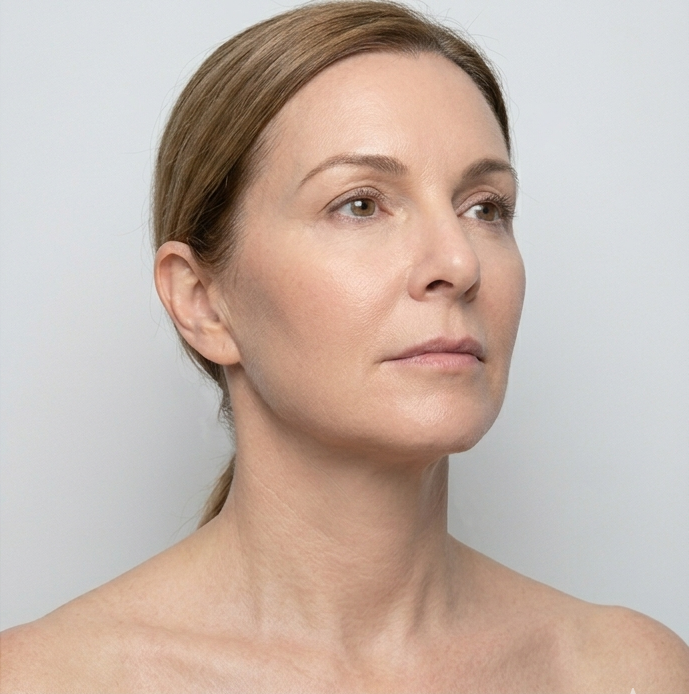
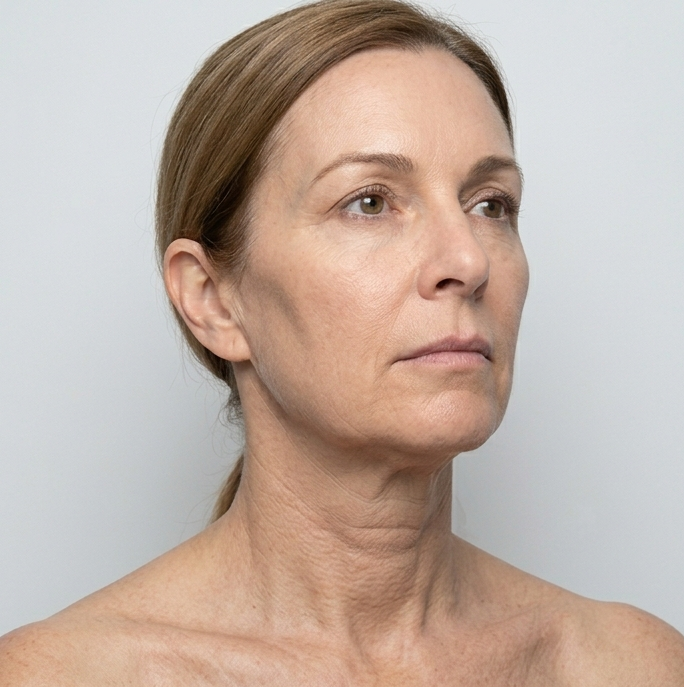
Cellulite reduction and body contouring outer thighs, Eximia HR77 Platinum, Cosmolaser Sharjah
Female patient, 34 years. Moderate lower arch crowding, mild upper spacing. Existing crown on upper right molar — specialist bonding protocol required.
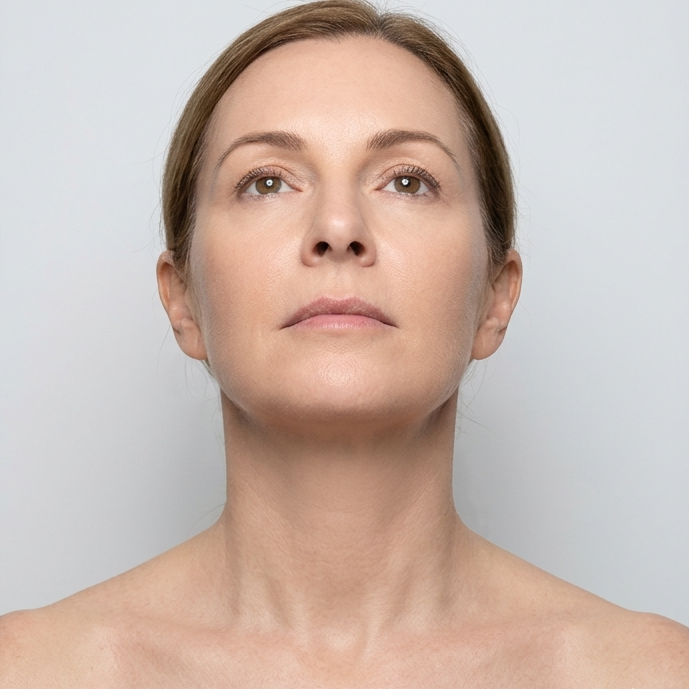
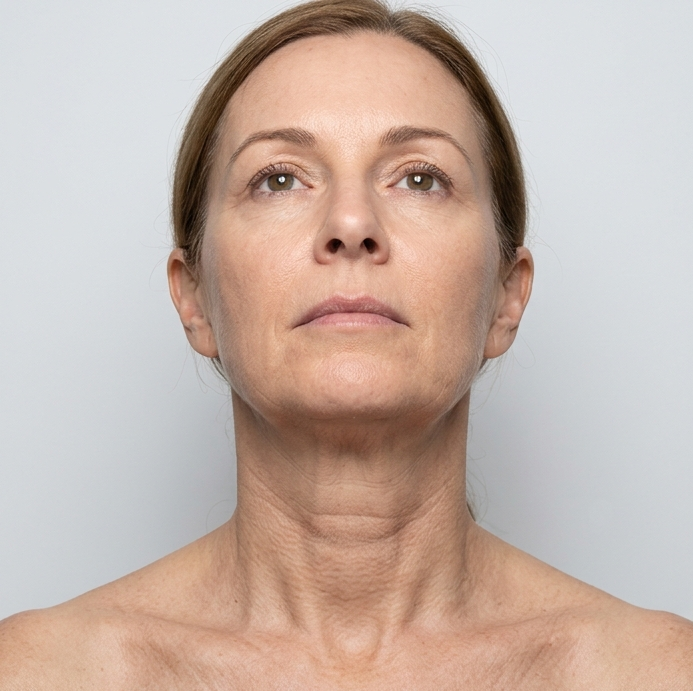
Post-pregnancy body contouring and cellulite treatment, Eximia HR77 Platinum, Cosmolaser Medical Centre Sharjah
Male patient, 28 years. Unilateral posterior crossbite right side. Mild crowding. Professional role — requested invisible treatment.
Inner thigh cellulite and skin tightening, Cosmolaser Medical Centre, Sharjah
Female patient, 21 years. Deep overbite (lower incisors biting on upper palatal tissue). Mild crowding upper and lower.
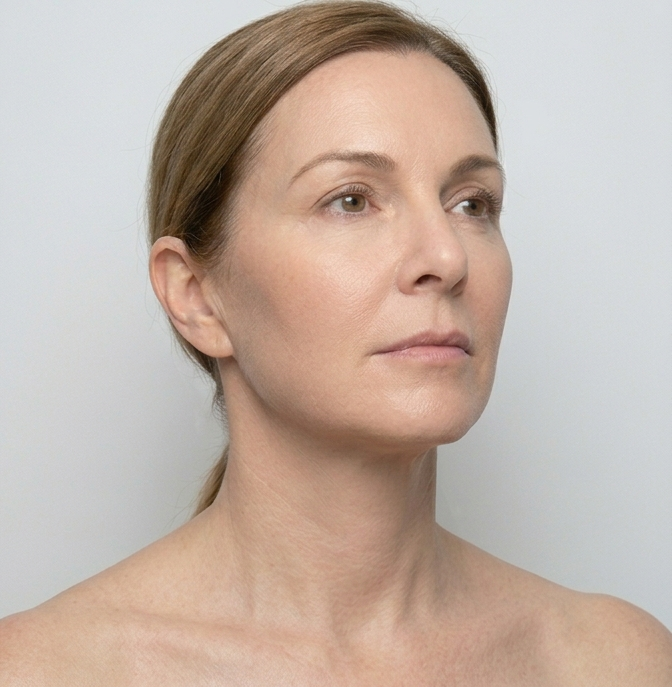
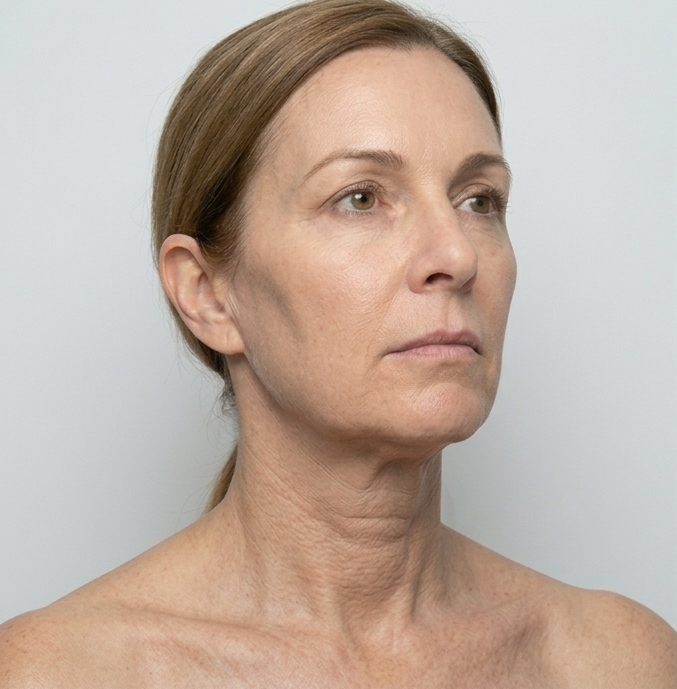
Upper arm skin tightening and body contouring, Eximia HR77 Platinum, Cosmolaser Sharjah
Male patient, 41 years. Previous brace treatment as teenager. Significant lower incisor crowding relapse over 20 years. No retainer worn.
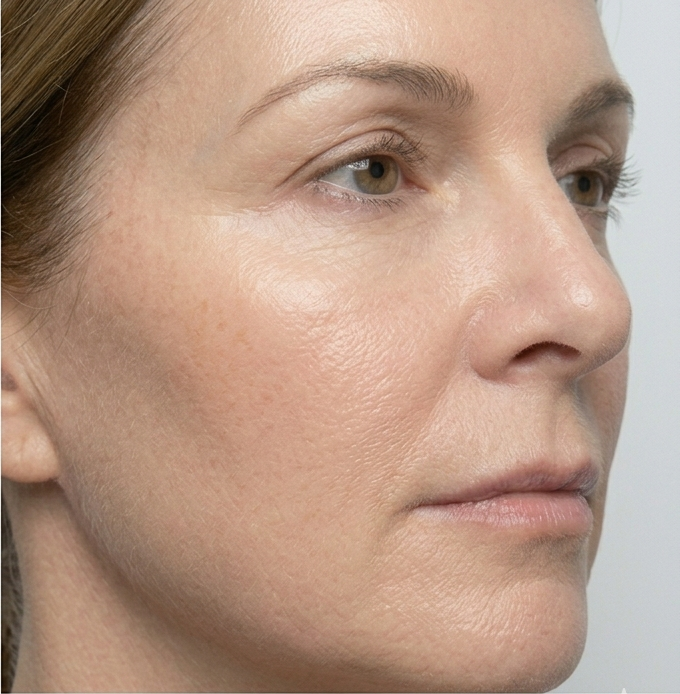
Buttock cellulite treatment and contour improvement, Cosmolaser Medical Centre, Sharjah
Female patient, 15 years. Moderate crowding, mild overjet. Family requested ceramic braces for aesthetic reasons despite teenager age.
Multi-area body contouring programme, Eximia HR77 Platinum, Cosmolaser Medical Centre Sharjah
Clinical examination, bite assessment, discussion of concerns and aesthetic goals. Overview of treatment options appropriate for your case. CBCT and OPG scan taken in-house same day. Provisional treatment recommendation given. Full written plan at the follow-up appointment.
Full treatment plan presented — brace type, estimated duration, number of extractions if needed, phased treatment plan for any pre-orthodontic dental work required. Complete cost breakdown provided in writing. Questions answered.
Any fillings, extractions, periodontal treatment or hygiene sessions completed before bracket placement. Timeline for this phase varies by case — typically 2–4 weeks.
Teeth cleaned and isolated. Brackets bonded one by one with dental adhesive. Archwire placed. Your orthodontist explains what to expect in the first week — mild soreness and pressure for 3–5 days as teeth begin responding to the forces. Soft food diet advised for the first few days.
Wire changed and/or tightened. Progress assessed clinically and photographically. Elastics added when bite correction phase begins. Each appointment is 20–40 minutes. Your orthodontist discusses progress at each visit. Any bracket rebonding if a bracket has detached.
Clinical photographs. Periapical X-rays of specific teeth to monitor root length and position. Treatment plan confirmed on track or adjusted if needed. Estimated completion date refined.
Brackets removed using debonding pliers. Adhesive residue polished from each tooth — this takes time and is done carefully to preserve enamel. Final impressions or iTero scan taken for retainer fabrication. Final photographs.
Fixed lingual retainer bonded behind upper and/or lower front teeth. Removable retainer provided and wear instructions explained. The retention phase is lifelong — this is not optional. Teeth will relapse without it.
Treatment | How It Fits | Link |
|---|---|---|
CBCT & OPG Imaging | Mandatory pre-treatment at Cosmolaser — in-house, same appointment, no referral needed. | /services/dental/cbct-opg-dental-xray-sharjah/ |
Clear Aligners | Alternative to braces for mild-to-moderate cases — removable, nearly invisible. Your orthodontist will advise which is better suited to your case. | /services/dental/clear-aligners-sharjah/ |
Teeth Whitening | Highly recommended immediately after debond — teeth are clean, aligned and ready for whitening. Professional in-chair whitening gives the best result on freshly treated teeth. | /services/dental/teeth-whitening-sharjah/ |
Veneers & Smile Makeover | Some patients combine orthodontics with veneers for comprehensive smile transformation — braces first to correct alignment, then veneers for colour and shape. | /services/dental/veneers-smile-makeover-sharjah/ |
Dental Implants | If teeth are extracted as part of orthodontic treatment, implant planning can be integrated into the overall treatment timeline. | /services/dental/dental-implants-sharjah/ |
TMJ Treatment | Adults with jaw pain or clicking often have a bite component — TMJ assessment is part of the adult orthodontic work-up at Cosmolaser. | /services/dental/tmj-sharjah/ |
We’ve gathered the most common questions to help you feel informed, confident, and ready for your journey with us.
Braces are fixed appliances bonded to the teeth — they work continuously without any patient compliance required and are effective for the full range of malocclusions including complex bite corrections, significant rotations and vertical tooth movements. Clear aligners are removable trays worn for 22 hours per day — they are nearly invisible and have no dietary restrictions, but require patient discipline and are best suited to mild-to-moderate cases. For complex cases, braces typically produce more predictable results. Your orthodontist will give you an honest comparison for your specific case at consultation.
Adult orthodontic treatment with braces typically takes 18–30 months for comprehensive cases. Simpler cosmetic cases (mild crowding, minor spacing) may complete in 12–18 months. Adults generally move slightly more slowly than teenagers due to denser bone, and pre-existing dental work or periodontal history can influence the pace and approach. Your orthodontist will give you an estimated timeline after reviewing your CBCT scan and clinical records at the planning appointment.
The bracket bonding appointment itself is painless — no injections are required. After each adjustment, mild soreness and pressure is normal for 3–5 days as teeth respond to new forces. This is easily managed with over-the-counter pain relief and resolves on its own. Some patients experience minor irritation of the inner cheeks from brackets in the first 2–3 weeks — orthodontic wax provided at your first appointment helps with this. Lingual braces have an additional tongue adaptation period of approximately 1–3 weeks.
Absolutely — there is no upper age limit for orthodontic treatment. We treat adult patients in their 20s, 30s, 40s and beyond regularly at Cosmolaser. The clinical approach for adults differs slightly from teenagers: we perform a comprehensive CBCT scan, assess bone and periodontal health, review existing dental work, and consider jaw function before starting. Many adults who missed treatment in childhood, or whose teeth have shifted after previous treatment, achieve excellent results with braces.
Yes — lingual braces are bonded to the inner surfaces of the teeth and are completely invisible from the front, sides and above. No one looking at you while you speak, smile or eat will be able to tell you are wearing braces. The adaptation period involves a mild lisp for approximately 1–3 weeks as the tongue adjusts to the brackets. After this period, speech returns fully to normal. Lingual braces are the preferred choice for professionals, public speakers and anyone for whom visible orthodontic treatment is not an option.
Avoid hard foods (raw carrots, nuts, ice, hard bread crusts), sticky foods (caramel, chewing gum, toffee) and anything that requires biting directly into with the front teeth (whole apples, corn on the cob). These foods can dislodge or damage brackets. Cut hard fruits and vegetables into small pieces. Soft foods are fine — rice, pasta, cooked vegetables, fish, eggs, soft bread. A full dietary guide is provided at your bracket bonding appointment.
Brace costs vary by type, case complexity and treatment duration. Metal braces are the most affordable option; ceramic braces are moderately priced above metal; self-ligating braces are similar to or slightly above ceramic; lingual braces carry a premium due to the specialist placement technique required. All costs include your adjustment appointments throughout treatment and retainer fabrication. We provide a complete written cost breakdown at your treatment planning appointment. WhatsApp us to enquire about current pricing and payment plan options.
Yes — retention is a lifelong commitment and the most important phase of orthodontic treatment. Teeth have a natural tendency to drift back towards their original positions, driven by the periodontal fibres, tongue pressure and continued facial growth in younger patients. A fixed lingual retainer bonded behind the front teeth provides passive, maintenance-free retention 24 hours a day. A removable retainer worn at night is also provided. Patients who stop retainer wear — especially in the first two years after braces — risk significant relapse. We build retainer check-up appointments into the post-treatment schedule.
Book your orthodontic consultation at Cosmolaser Medical Centre, Sharjah. Metal, ceramic, lingual and self-ligating braces — specialist-planned, CBCT-guided, and built around your life.