Picosecond laser is the most versatile and skin-safe energy device available for pigmentation, skin brightening, and rejuvenation — and the only technology that can effectively treat melasma, remove tattoos, and deliver the Carbon Facial and SoftLight protocols in a single platform. At Cosmolaser Medical Centre in Sharjah, our Pico laser programme covers the full spectrum — from subtle pigment correction to complete tattoo removal — with protocols designed for the melanin-rich skin types that are the norm in the UAE.
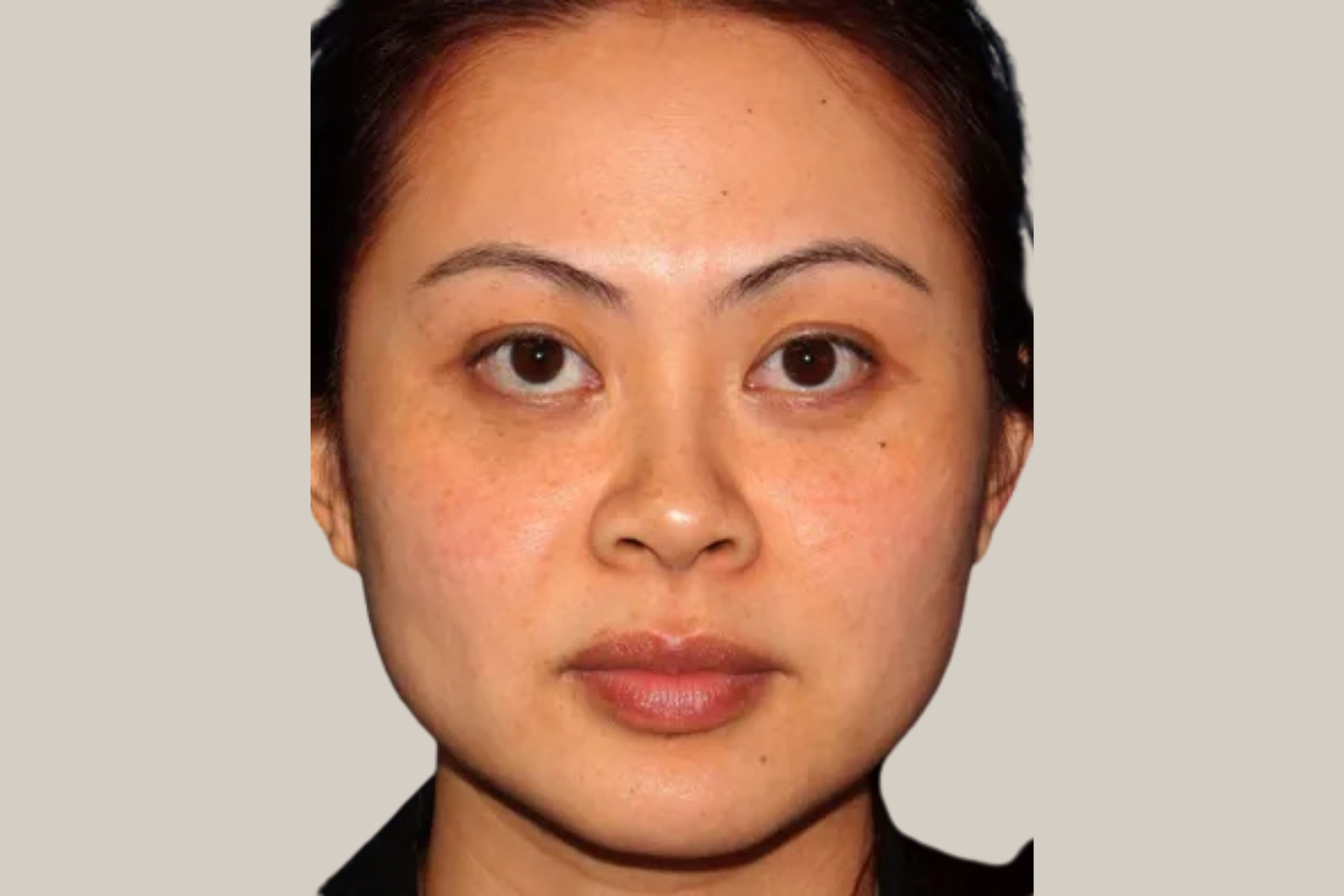
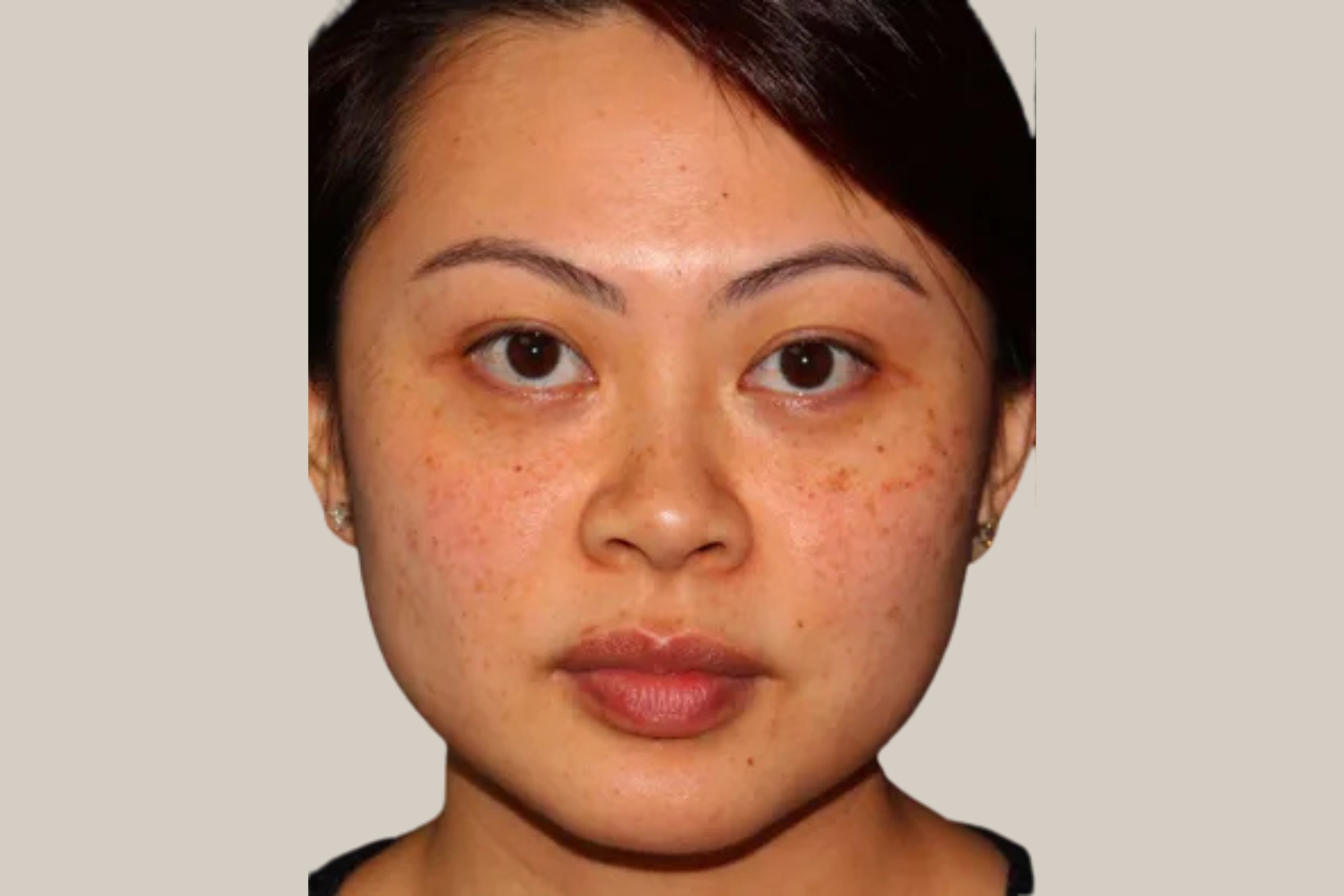
Uneven skin tone, dark spots, and melasma are the single most prevalent aesthetic concern among UAE residents — and with good reason. The combination of year-round high UV irradiation, predominantly Fitzpatrick III–VI skin types with naturally higher melanin reactivity, hormonal fluctuations amplified by heat stress, and widespread use of full-coverage cosmetics that trap heat and occlude pores creates ideal conditions for melanocyte hyperactivity.
Melasma — the deep, bilateral pigmentation pattern driven by UV, heat, and hormonal triggers — is particularly prevalent among South Asian, Arab, and East African women in the UAE, affecting an estimated 1 in 4 women of childbearing age in the region. It is also one of the most undertreated conditions because patients are frequently told it is permanent or unresponsive to treatment. This is outdated clinical thinking. With the correct picosecond laser protocol, combined with medical depigmentation and strict photoprotection, significant and lasting melasma improvement is achievable.
Beyond melasma, the UAE climate drives diffuse freckling and sun spot development, post-inflammatory hyperpigmentation from acne and minor trauma, and the gradual darkening of the skin tone in sun-exposed areas that cumulatively ages the complexion significantly faster than in lower-UV environments. Pico laser at Cosmolaser addresses all of these concerns — with protocols specifically calibrated for the skin types and pigmentation patterns we see daily in Sharjah.
Pico laser delivers laser energy in pulses measured in picoseconds — one trillionth of a second. This ultra-short pulse duration is the defining clinical advantage over older Q-switched nanosecond lasers: the energy is delivered so rapidly that it shatters the target chromophore (melanin pigment or tattoo ink) through a photoacoustic (pressure wave) mechanism rather than through heat. This distinction is critical for the UAE patient population.
Older nanosecond lasers heat the pigment and the surrounding tissue together — generating thermal energy that, in melanin-rich skin, frequently causes the surrounding melanocytes to react by producing more pigment in response to the thermal insult. This phenomenon — paradoxical darkening — is the primary reason older Q-switched lasers had poor outcomes and high complication rates in darker skin types. Pico laser’s photoacoustic mechanism shatters pigment particles without the thermal collateral damage, making it dramatically safer and more effective for Fitzpatrick III–VI skin.
The shattered pigment fragments are eliminated through the lymphatic system over the weeks following treatment, producing a gradual lightening effect that continues to develop between sessions. The laser can be applied at different wavelengths to target different chromophores, and different handpiece attachments produce different beam profiles — enabling the same device to switch between targeted spot pigment removal, diffuse skin rejuvenation (SoftLight), and ablative carbon-assisted resurfacing (Carbon Facial).
Feature | Pico Laser | Q-Switched Nd:YAG (Nanosecond) |
|---|---|---|
Pulse duration | Picoseconds (10⁻¹²s) | Nanoseconds (10⁻⁹s) — 1000x longer |
Primary mechanism | Photoacoustic (pressure) | Photothermal (heat) |
Thermal damage to surrounding tissue | Minimal | Moderate |
PIH risk in Fitz. IV–VI | Low | Moderate-High |
Melasma treatment safety | Suitable — preferred | Caution — rebound risk |
Tattoo removal efficacy | High — all ink colours | Moderate — limited colours |
Carbon Facial / SoftLight capability | Yes | Limited |
Used at Cosmolaser | Yes — primary platform | Used for specific vascular indications |
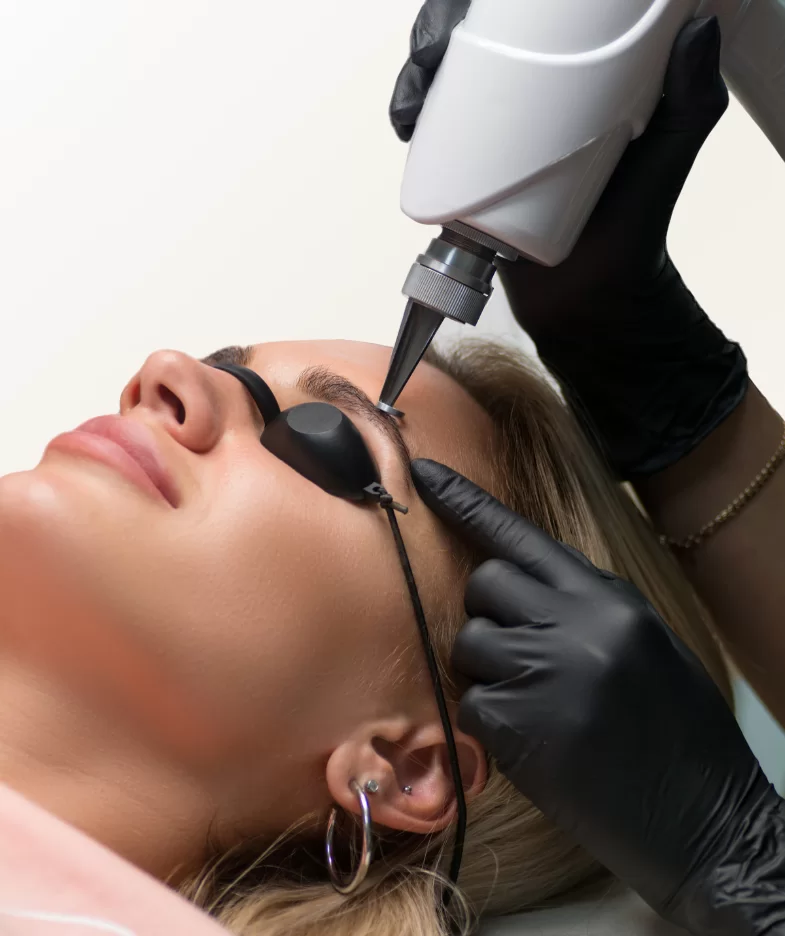
The Pico laser platform at Cosmolaser delivers eight distinct treatment protocols from a single device — each using a different combination of wavelength, fluence, beam profile, and handpiece to target a specific skin concern. Understanding which protocol applies to your concern is the purpose of your initial assessment.
Isolated pigmented lesions — solar lentigines (sun spots), age spots, café-au-lait macules, Hori’s naevus, and dermal melanocytosis — are treated with targeted picosecond pulses applied precisely to each lesion. The 532nm wavelength is used for superficial brown pigmentation; 1064nm penetrates deeper for dermal pigment. The ultra-short pulses shatter the melanin particles within the lesion while leaving the surrounding skin undisturbed.
For UAE patients, solar lentigines on the face, décolletage, and hands are among the most common presentations — years of cumulative UV exposure produce discrete dark spots that are disproportionately visible against the surrounding skin. Pico laser clears these lesions with precision, typically in 1–3 sessions per spot.
Lesion Types | Solar lentigines (sun spots), age spots, café-au-lait patches, seborrhoeic keratosis (superficial), Hori's naevus |
Wavelength | 532nm (superficial/epidermal); 1064nm (deeper/dermal pigment) |
Sessions Required | 1–3 per lesion (epidermal); 3–6 for dermal pigment |
Downtime | Superficial: 3–5 days crusting then clearance. Dermal: minimal — gradual lightening |
Results Timeline | Epidermal spots: crust and clear within 7–14 days. Dermal: gradual lightening over 4–8 weeks per session |
UAE Note | Hands and décolletage often treated alongside face — enquire about multi-zone pricing |
Melasma is the most clinically challenging pigmentation condition to treat, and the area where picosecond laser has made the most significant advance over older laser technologies. Melasma involves overactive melanocytes in both the epidermis and dermis, driven by UV, infrared heat, and hormonal stimuli. The thermal energy of nanosecond lasers frequently worsens melasma by stimulating the very melanocytes they are trying to suppress — a rebound darkening that is one of the most frustrating outcomes in pigmentation treatment.
Pico laser’s photoacoustic mechanism shatters melanin granules without thermally activating the surrounding melanocytes, making it the laser of choice for melasma management. At Cosmolaser, we use the low-fluence 1064nm toning protocol (repeated gentle passes at sub-threshold energy) specifically developed for melasma — progressively reducing melanin load without triggering inflammatory reactivation. This is combined with a physician-prescribed medical depigmentation programme (topical agents such as azelaic acid, tranexamic acid, niacinamide, and sunscreen) that addresses the melanocyte activation pathway alongside the laser’s melanin clearance action.
Melasma Types | Epidermal (brown), mixed epidermal/dermal (most common in UAE), dermal (blue-grey — most resistant) |
Wavelength | 1064nm low-fluence toning protocol; gentle progressive approach |
Sessions Required | 6–10 sessions for meaningful clearance; monthly maintenance thereafter |
Downtime | None — low-fluence toning protocol has no recovery period |
Combined With | Prescription depigmentation agents (azelaic acid, tranexamic acid, niacinamide); strict SPF 50+ daily; sun avoidance counselling |
Realistic Expectations | Significant lightening achievable (60–80%); complete elimination rare; maintenance sessions required to prevent UV-driven recurrence |
Critical Note | Stopping sun protection is the primary cause of melasma recurrence. SPF 50+ is a permanent daily requirement for melasma patients in the UAE — not a post-treatment phase |
The Carbon Facial — also known as the Hollywood Peel or Carbon Laser Peel — is a two-stage protocol that uses a thin layer of medical-grade liquid carbon applied to the face as a target medium for the laser. The carbon penetrates into the pores and adheres to sebum, dead skin cells, and surface contaminants. The Pico laser is then fired across the carbon-coated surface in two phases: the first pass vaporises the carbon layer explosively, taking the trapped pore contents with it in a controlled exfoliation; the second pass penetrates to the dermis to stimulate collagen via the photoacoustic mechanism.
The result is an immediate and visible improvement in skin texture, radiance, and pore size — one of the few laser treatments where the patient leaves the clinic with visibly improved skin on the same day. The Carbon Facial is a popular maintenance and event-preparation treatment, requiring no downtime and producing a luminous, tightened-pore result that patients often describe as their skin looking ‘reset’. For oily skin types with enlarged pores and congestion — a very common presentation in UAE patients — it is particularly effective.
Best For | Enlarged pores; oily and congested skin; dull complexion; mild pigmentation; skin texture refinement; pre-event skin preparation |
Wavelength | 1064nm (carbon-targeted) |
Sessions Required | Single session for event prep; monthly for ongoing maintenance and pore management |
Session Duration | 30–40 minutes |
Downtime | None — mild warmth and redness resolves within 1–2 hours; return to normal activities immediately |
Results Timeline | Immediately visible — glowing, refined skin on the same day. Progressive pore tightening with monthly sessions |
UAE Note | Extremely popular in the UAE for pre-wedding, pre-event, and Eid preparation. No sun restriction post-treatment — can be done any time of year |
SoftLight is a fractional picosecond rejuvenation protocol that uses a diffractive lens array (DLA) handpiece attachment to split the laser beam into a grid of thousands of micro-beam columns. Unlike the focused spot used for pigment removal, the SoftLight DLA creates a pattern of low-energy fractional impacts distributed evenly across the treatment area — triggering dermal collagen stimulation and skin tightening via a photoacoustic mechanism without any surface ablation.
The SoftLight protocol is the pico laser equivalent of non-ablative fractional rejuvenation — delivering skin tightening, fine line reduction, pore refinement, and overall tone improvement with absolutely no downtime. It is the gentlest and most universally tolerable of all Pico protocols and is frequently combined with pigment spot treatment in the same session — targeting focal lesions first with the spot handpiece, then sweeping the full face with the DLA for overall rejuvenation.
Best For | Diffuse skin rejuvenation; mild laxity; fine lines; generalised dullness; skin tone improvement; patients wanting regular maintenance with zero downtime |
Wavelength | 1064nm or 532nm with DLA (diffractive lens array) handpiece |
Sessions Required | 3–6 for a rejuvenation course; monthly maintenance thereafter |
Session Duration | 20–30 minutes |
Downtime | None — mild erythema resolves within 1–2 hours |
Results Timeline | Subtle improvement visible from session 1; progressive over 3-month course; cumulative with regular maintenance |
Combination | Typically combined with targeted spot treatment in same session for comprehensive pigment + rejuvenation outcome |
Freckles (ephelides) are small, superficial concentrations of melanin produced by localised melanocyte activity in response to UV exposure. While harmless, they are a common aesthetic concern — particularly for UAE patients whose freckling has increased significantly from years of outdoor sun exposure, and for patients of Irish, South Asian, or mixed heritage who are genetically predisposed to freckling. Pico laser at 532nm targets the superficial epidermal melanin in freckles with precision, shattering the pigment particles in 1–2 sessions per area without affecting the surrounding skin.
Unlike sun spots (which are discrete, slightly elevated, and more deeply pigmented), freckles are flat, numerous, and often distributed across large areas of the cheeks and nose. Treatment may require multiple passes across the entire distribution area. Results are excellent — most freckles clear completely in 1–2 sessions — but new freckles can develop with ongoing UV exposure without consistent sun protection.
Best For | Ephelides (common freckles); solar lentigines; cheeks, nose, shoulders, arms |
Wavelength | 532nm primary for superficial epidermal melanin |
Sessions Required | 1–2 sessions per area for complete clearance |
Downtime | 3–5 days: mild crusting at each freckle site, then clearance |
Results Timeline | Visible lightening within 7 days; full clearance by day 14 |
Maintenance | New freckles develop with ongoing UV exposure — SPF 50+ and reapplication is essential to maintain results |
Pico laser hair bleaching is an emerging and highly sought-after protocol in the UAE market — particularly among women who want to lighten dark facial hair (upper lip, jaw, sideburns) and body hair without the risk of paradoxical darkening associated with intense pulsed light (IPL) on dark hair in dark skin. The 1064nm wavelength targets the melanin in the hair shaft, delivering photoacoustic energy that shatters the pigment granules within the hair, progressively lightening the colour of the hair from dark brown or black to a lighter brown or golden shade over a series of treatments.
This is not hair removal — it is hair colour modification. The hair follicle remains intact and the hair continues to grow; however, its colour is significantly lightened, making it far less visible against the skin. For patients who are not candidates for laser hair removal (due to skin tone mismatch for standard diode or IPL devices), or who simply want to reduce the visual impact of fine facial hair rather than remove it entirely, pico hair bleaching offers a unique and effective option.
Best For | Dark facial hair (upper lip, sideburns, jaw, chin); dark body hair; patients who want visible hair reduced without full removal |
Wavelength | 1064nm — targets melanin in hair shaft |
Sessions Required | 4–6 sessions for meaningful lightening; interval 4–6 weeks |
Downtime | None — mild redness at hair sites for 1–2 hours |
Results Timeline | Gradual lightening visible from session 2; significant colour change by session 4–5 |
Important Note | This is colour lightening, not hair removal. Hair continues to grow. Results maintained with maintenance sessions every 2–3 months |
UAE Context | Highly relevant for South Asian and Arab female patients with dark, visible facial hair on Fitzpatrick IV–V skin — a demographic poorly served by conventional hair removal lasers |
Picosecond laser is the gold standard for tattoo removal, significantly outperforming Q-switched nanosecond lasers in both efficacy and speed of clearance. The ultra-short picosecond pulses shatter tattoo ink particles into far smaller fragments than nanosecond lasers can achieve, enabling the immune system to clear the ink more rapidly and completely — resulting in fewer sessions needed, better clearance of previously resistant multi-coloured tattoos, and lower rates of scarring and PIH.
Cosmolaser’s Pico laser platform covers all major ink colours: 1064nm for black and dark blue; 532nm for red, orange, and yellow; and the 595/660nm dye handpiece for green, teal, and purple inks — the colours that were historically the most resistant to nanosecond laser removal. Amateur tattoos (typically shallower and less densely pigmented) clear faster than professional tattoos. Cosmetic tattoos (permanent makeup) require specific assessment before treatment.
Tattoo Types | Amateur, professional, cosmetic (permanent makeup), traumatic tattoos — all ink colours treatable |
Wavelengths Used | 1064nm (black/dark blue); 532nm (red/orange/yellow); 595/660nm dye (green/teal/purple) |
Sessions Required | Amateur: 3–6 sessions. Professional: 6–12+ sessions depending on ink density, age, and colours |
Session Duration | 10–30 minutes depending on tattoo size |
Interval Between Sessions | Minimum 6 weeks — immune clearance of ink fragments must be allowed to complete before next session |
Downtime | 24–48 hours: mild swelling, pinpoint bleeding, frosting (whitening) immediately post-session. Crust formation days 1–3 |
Results Timeline | Fading visible after each session; progressive. Final result assessed 3 months after last session |
Realistic Expectations | Most tattoos can be significantly faded; complete clearance to skin-native tone is not guaranteed for all colours — green and yellow are most resistant. Discussed at assessment |
Post-inflammatory hyperpigmentation — the flat dark marks left by acne, eczema, minor trauma, or post-procedure healing — is one of the most common applications of Pico laser at Cosmolaser, particularly because it affects the Fitzpatrick IV–VI skin types that predominate in our patient population. Pico’s photoacoustic mechanism shatters the melanin deposits in PIH marks without the thermal melanocyte stimulation that can worsen pigmentation in heat-sensitive skin.
Generalised skin brightening — reducing diffuse tone unevenness, improving radiance, and correcting a dull or grey complexion caused by accumulated UV damage — is addressed using the low-fluence 1064nm toning protocol across the full face, producing a progressive brightening effect that develops over a series of sessions without any downtime.
Best For | Post-acne dark marks (PIH); post-procedure hyperpigmentation; generalised skin dullness and uneven tone; overall complexion brightening |
Wavelength | 1064nm toning for diffuse brightening; 532nm spot for discrete PIH lesions |
Sessions Required | 4–6 for meaningful PIH clearance; 3–4 for generalised brightening |
Downtime | None for toning; mild for spot treatment |
Combined With | Prescription topical depigmentation agents; SPF 50+ mandatory |
Results Timeline | Progressive lightening over 4–8 weeks per session; significant improvement by session 4 |
Your Concern | Protocol | Key Note |
|---|---|---|
Dark sun spots / age spots | Pigmentation — spot treatment | 1–3 sessions per lesion; crust and clear |
Melasma (widespread, patchy) | Melasma — low-fluence toning | Combine with medical depigmentation; patience required |
Oily skin, enlarged pores, event prep | Carbon Facial | Zero downtime; same-day glow; monthly maintenance |
Overall skin dullness and rejuvenation | SoftLight (DLA protocol) | No downtime; monthly or quarterly maintenance |
Freckles across cheeks/nose | Freckle removal — spot | 1–2 sessions; crust and clear within 14 days |
Dark facial or body hair — lighten not remove | Hair bleaching protocol | 4–6 sessions; gradual colour lightening |
Tattoo removal or fading | Tattoo removal protocol | Session count depends on ink type and density |
Post-acne dark marks (PIH) | PIH treatment — toning + spot | Combine with acne scar programme if pitting also present |
Multiple concerns (pigment + rejuvenation) | Combined: spot + SoftLight same session | Most popular approach; pigment first, then DLA sweep |
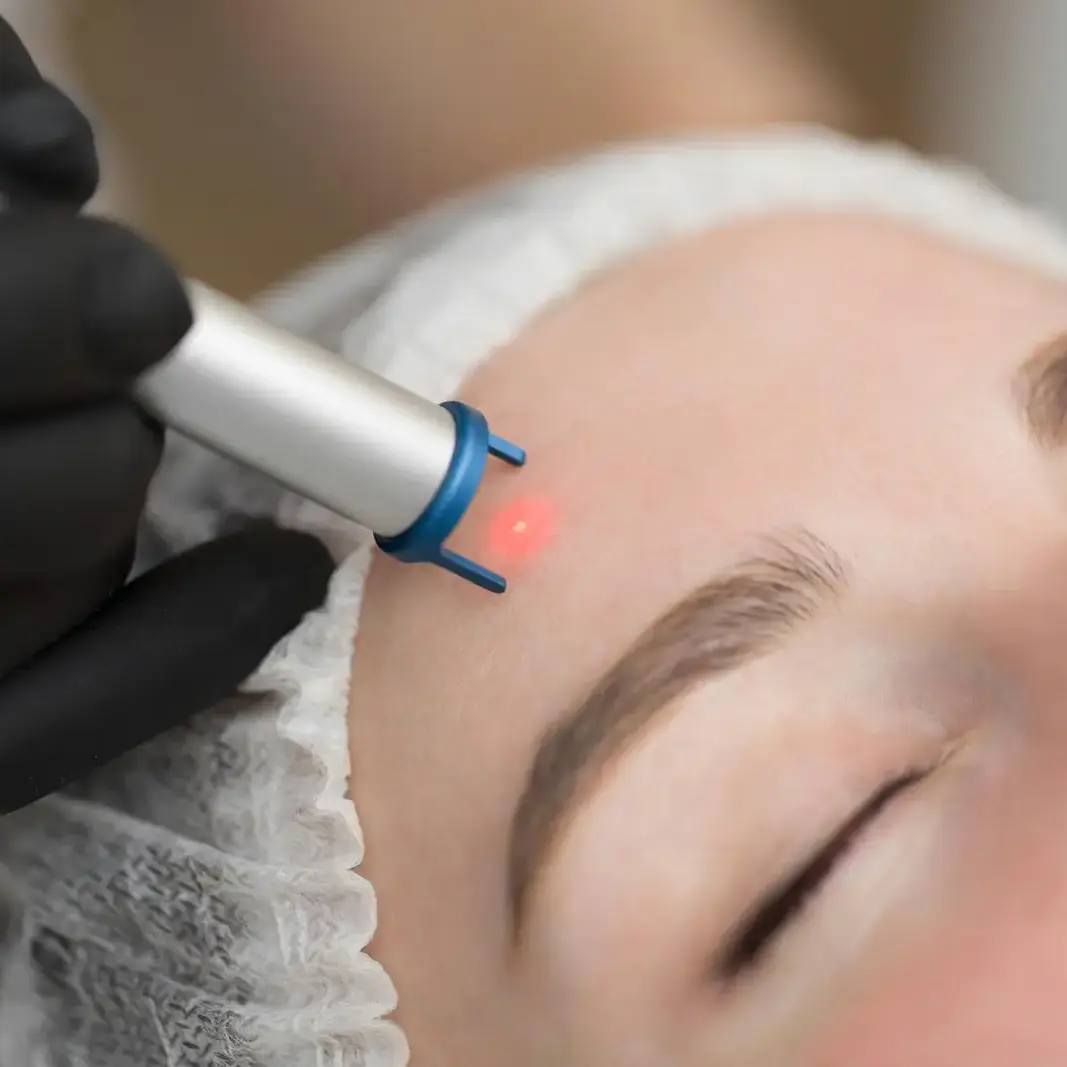
Area | Common Concern | Protocol Applied | Typical Sessions |
|---|---|---|---|
Face (full) | Melasma, PIH, dullness, freckles | Toning + SoftLight + spot | 4–8 |
Cheeks & nose | Freckles, sun spots, melasma | Spot + toning | 1–4 |
Forehead | Melasma, diffuse pigmentation | Toning protocol | 4–6 |
Jaw & chin | PIH (post-hormonal acne), melasma | Toning + spot | 4–6 |
Upper lip (skin) | Melasma, PIH, post-wax marks | Toning — conservative settings | 4–6 |
Upper lip / jaw (hair) | Dark facial hair bleaching | Hair bleaching protocol | 4–6 |
Neck & décolletage | Sun spots, age spots, crepiness | Spot + SoftLight | 2–5 |
Hands | Sun spots, age spots | Spot treatment | 1–3 |
Arms / shoulders | Freckles, sun spots | Spot treatment | 1–3 |
Tattoo site (any location) | Tattoo ink removal | Tattoo protocol | 6–12 |
Female patient, 36 years, Fitzpatrick IV. 8 Pico toning sessions (low-fluence 1064nm) + prescription depigmentation programme. 10-month course.
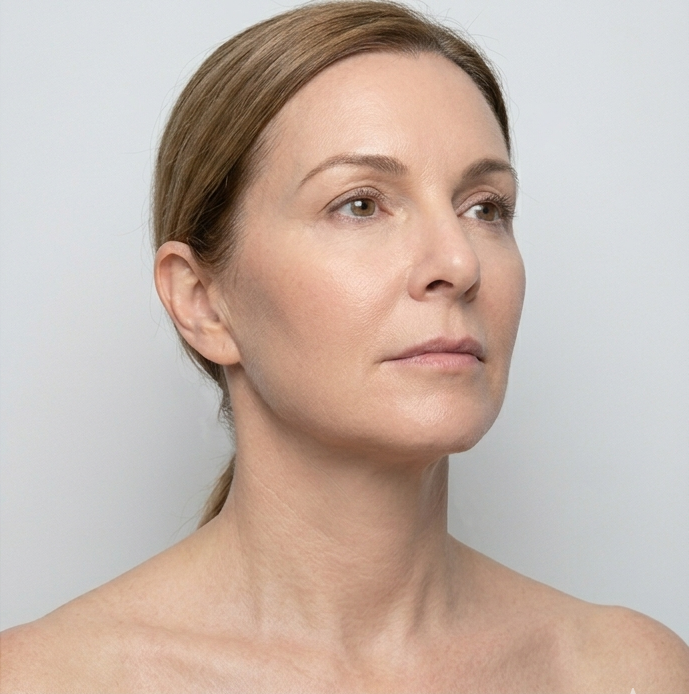
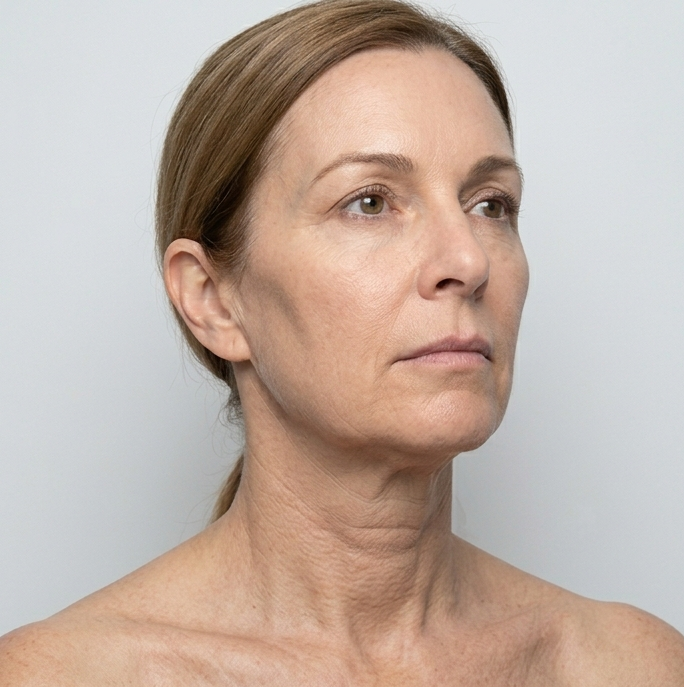
Pico laser toning x8 + medical depigmentation. Melasma programme. Cosmolaser Medical Centre, Sharjah
Female patient, 48 years, Fitzpatrick III. 2 Pico spot treatment sessions, face + décolletage.
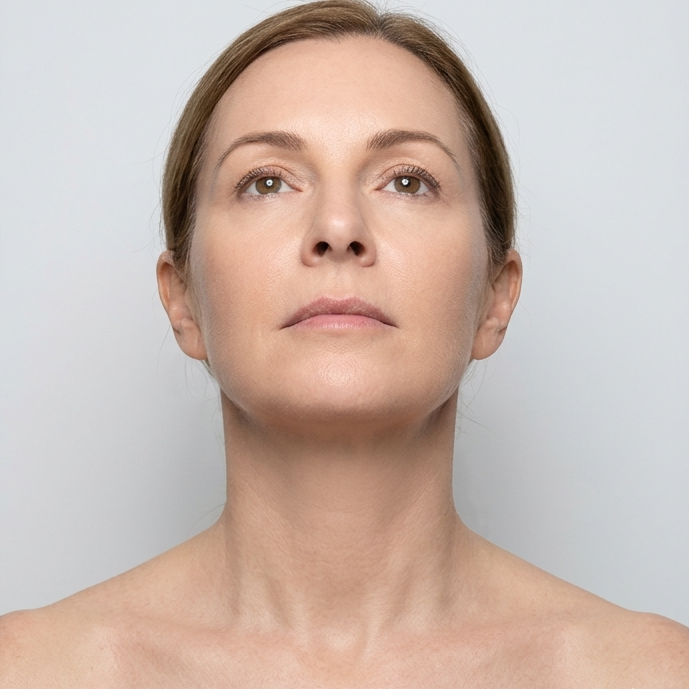
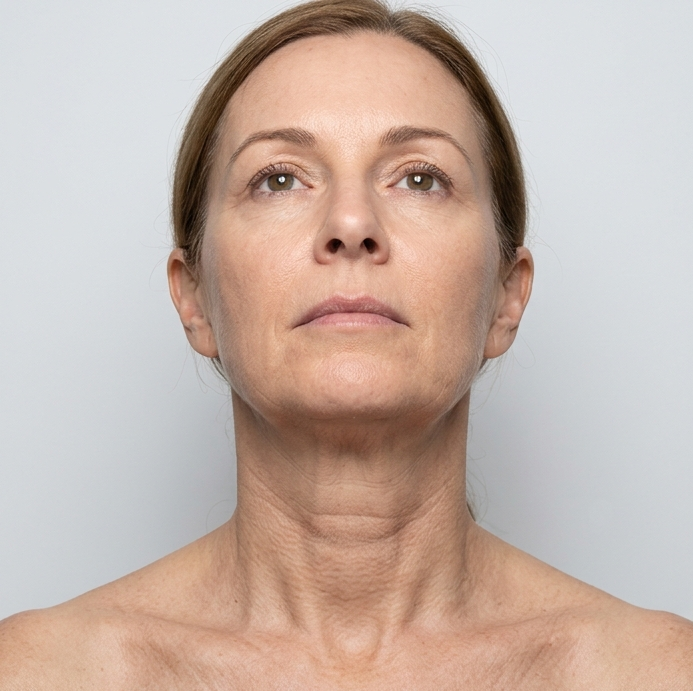
Pico laser spot treatment x2 — solar lentigines. Face and décolletage. Cosmolaser Medical Centre, Sharjah
Female patient, 31 years, Fitzpatrick III. Single Carbon Facial session — pre-event treatment.
Pico Carbon Facial — single session. Cosmolaser Medical Centre, Sharjah.
Female patient, 27 years, Fitzpatrick II–III. 2 Pico spot sessions (532nm), cheeks and nasal dorsum.
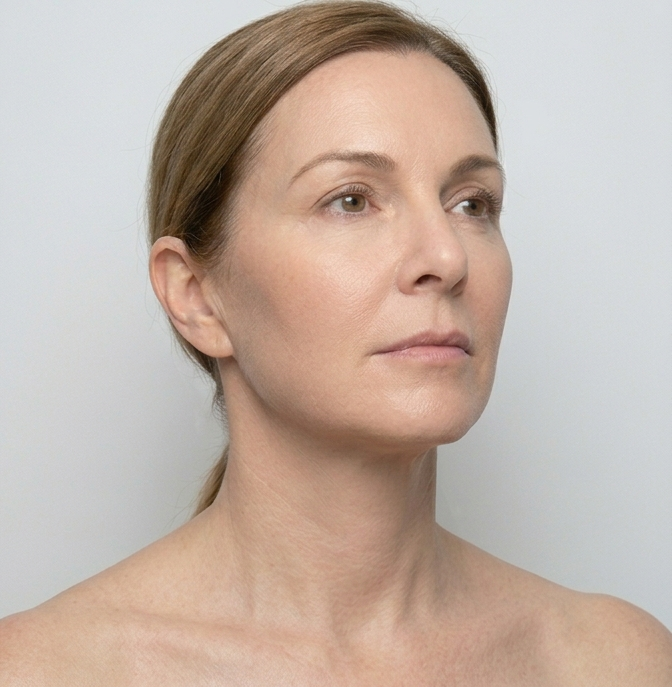
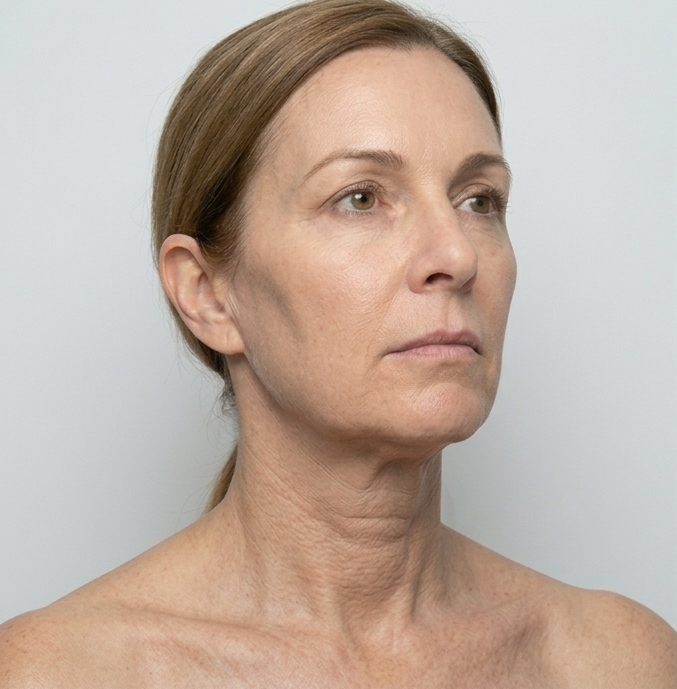
Pico laser freckle removal x2. Cosmolaser Medical Centre, Sharjah.
Female patient, 32 years, Fitzpatrick V. 5 Pico hair bleaching sessions (1064nm), upper lip and jawline.
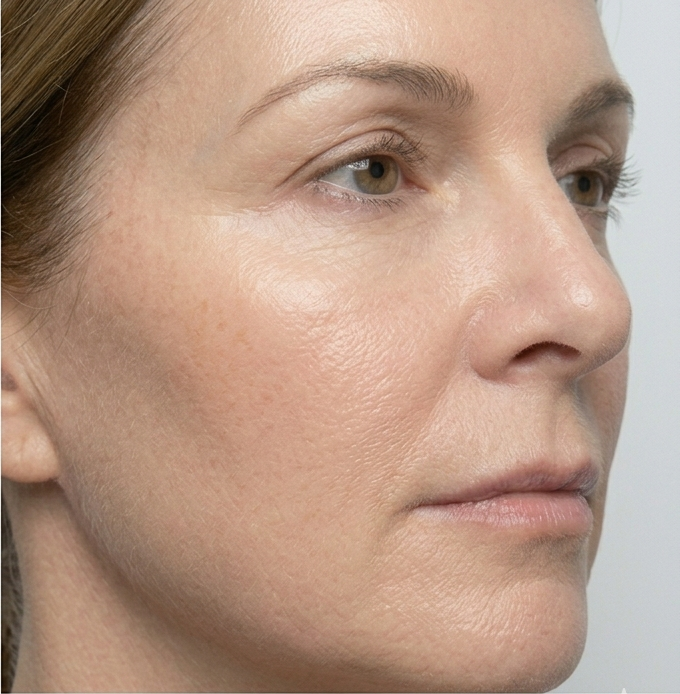
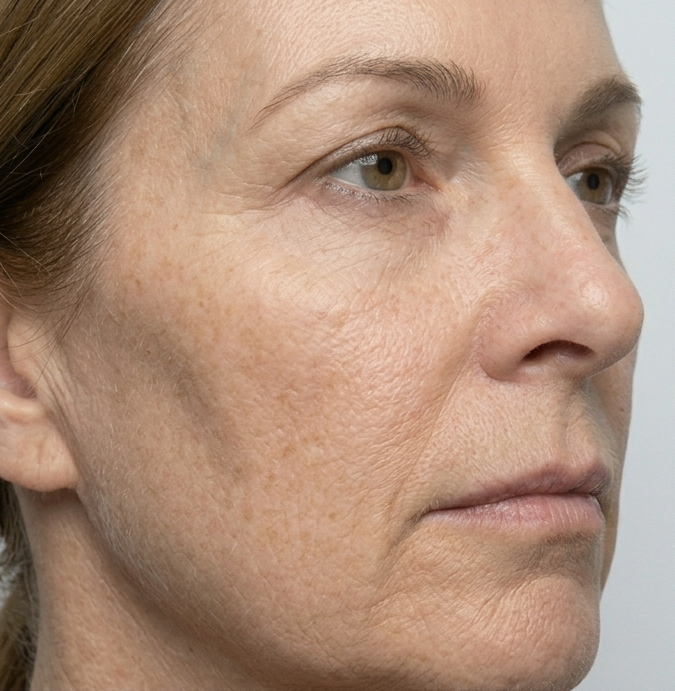
Pico laser hair bleaching x5. Upper lip and jawline. Cosmolaser Medical Centre, Sharjah.
Male patient, 29 years. 8 Pico sessions (1064nm), professional tattoo, forearm. 12-month course.
Pico laser tattoo removal x8. Professional tattoo, forearm. Cosmolaser Medical Centre, Sharjah.
Female patient, 30 years, Fitzpatrick V. 6 Pico toning sessions + spot PIH treatment, combined programme.
Pico laser PIH treatment x6 — post-acne brightening. Cosmolaser Medical Centre, Sharjah.
Describe your skin concern, affected areas, and any previous laser or peel treatments. We confirm availability and advise on what to bring to your consultation.
Fitzpatrick type documented. The concern is photographed under standardised lighting — front and 45-degree angles. For melasma, a Wood's lamp examination distinguishes epidermal from dermal pigment, which directly guides protocol selection. For tattoo removal, ink colours, estimated age, and previous treatment history are assessed. Medical history reviewed: isotretinoin, photosensitising medications, pregnancy, previous paradoxical darkening from laser.
The specific protocol(s) for your concern are confirmed in writing — wavelength, fluence, handpiece, session count, intervals, and expected timeline to result. Any required medical prescription (depigmentation agents for melasma) is issued at this appointment. Pricing presented clearly.
Apply SPF 50+ daily for minimum 2 weeks before the first session — this reduces the melanin load in the skin and improves laser response. Avoid sun exposure for 2 weeks before each session. Cease retinoids and AHAs 5 days before. Arrive with clean skin — no makeup, no self-tanner.
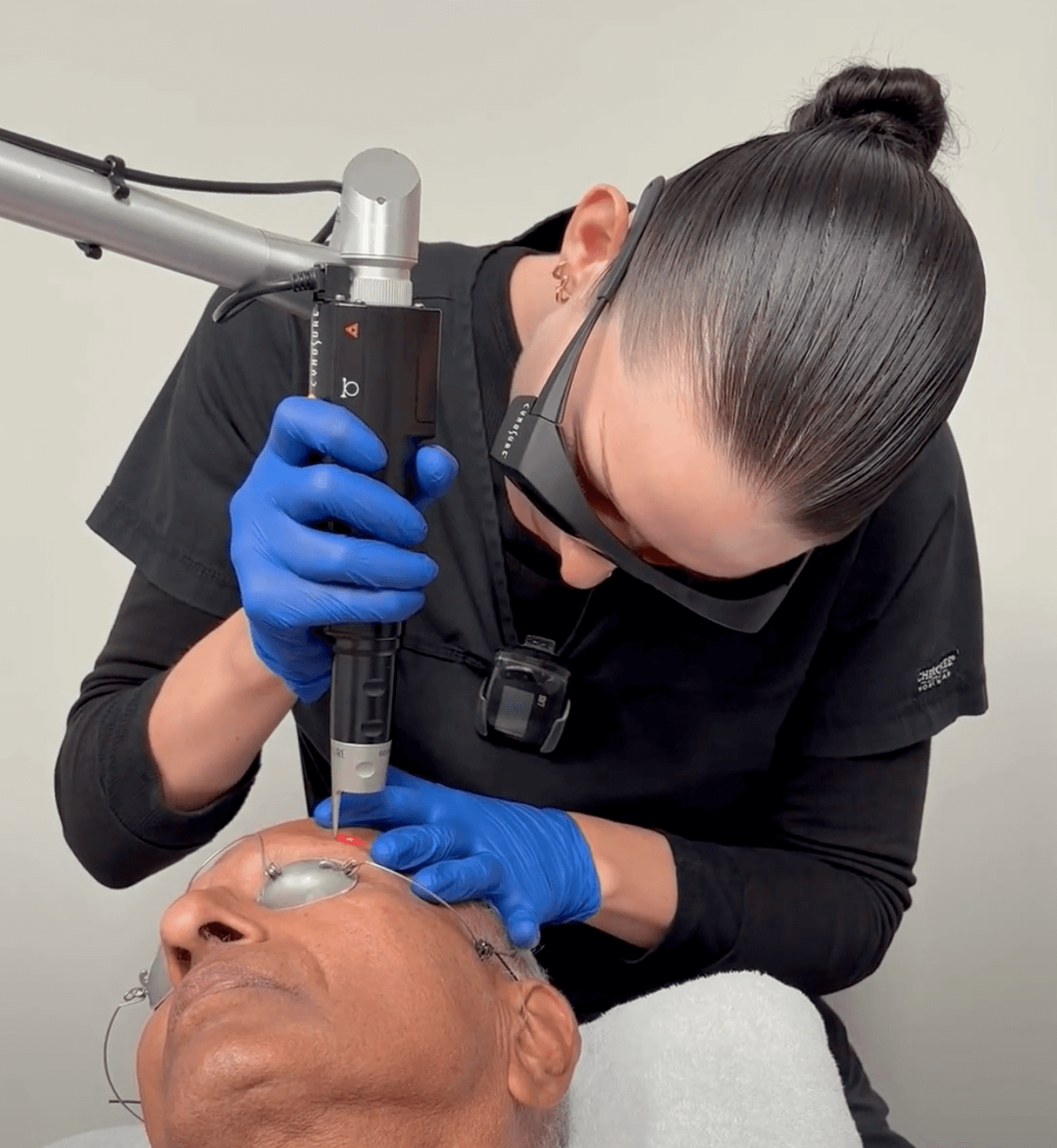
The skin is cleansed. Protective eyewear is worn by patient and clinician. The laser handpiece is moved systematically across the treatment area. A rubber-band snap sensation is felt at each pulse — most patients find this very tolerable. Carbon Facial sessions begin with carbon application (15-minute contact time) before the laser passes. Session duration 20–40 minutes.
Topical anaesthetic applied 30–45 minutes before if large areas are being treated. Individual spot or tattoo site treatment — the laser is applied precisely to each lesion. Spot treatments for freckles or sun spots: a faint grey-white 'frost' appears at the treated site immediately — this is the normal tissue response, not a burn. Crusting follows over 48 hours and resolves within 7–14 days.
Mild redness in the treated area — resolves within a few hours for toning/SoftLight; up to 48 hours for spot and tattoo work. A soothing serum and SPF are applied before leaving. For tattoo sessions: mild swelling and pinpoint bleeding is normal — covered with a dressing in-clinic.
SPF 50+ every morning without exception — the single most important aftercare step. Gentle cleanser and fragrance-free moisturiser for 48 hours. No active skincare (retinoids, vitamin C, acids) for 5 days. Do not pick or peel any crusting from spot treatment sites. For tattoo sites: keep covered for 24 hours, then clean gently and apply prescribed ointment.
Comparative photographs at each session or at 4-week intervals for toning courses. For melasma patients, progress is assessed monthly — the programme is adjusted based on whether lightening is progressing or any rebound is observed. Final result assessment 2–3 months post-last session.
Treatment | How It Complements Pico Laser | Page Link |
|---|---|---|
RF Microneedling (RFMN) | Addresses the textural/scar component in patients with both PIH and acne scarring — Pico clears pigment, RFMN remodels structure | /services/laser-treatments/rfmn-sharjah/ |
Acne Scar Treatment | Pico laser is featured as the PIH modality within the scar programme — cross-link for patients coming from that page | /services/skin-treatments/acne-scar-treatment-sharjah/ |
Acne Treatment | Active acne must be cleared before treating PIH — Pico is the follow-on treatment in the acne journey | /services/skin-treatments/acne-treatment-sharjah/ |
Skin Boosters | PDRN or hyaluronic acid skin boosters between Pico sessions restore hydration and support barrier integrity in melasma-prone skin | /services/injectables/skin-boosters-sharjah/ |
HydraFacial | Maintenance between Pico sessions; supports barrier health and pore clarity; compatible with all Pico protocols | /services/skin-treatments/hydrafacial-sharjah/ |
Chemical Peel | Mandelic or lactic acid peels between Pico toning sessions enhance overall pigment clearance for melasma and PIH patients | /services/skin-treatments/chemical-peel-sharjah/ |
We’ve gathered the most common questions to help you feel informed, confident, and ready for your journey with us.
Melasma cannot be permanently cured by any current treatment, including Pico laser. It is a chronic condition driven by UV exposure, heat, and hormonal factors — and these triggers persist in the UAE environment. What Pico laser can achieve is significant, sustained lightening — typically 60–80% improvement with a proper combined programme. The critical factor is ongoing maintenance: monthly toning sessions, daily SPF 50+ reapplication, and continued medical depigmentation. Patients who address these maintenance factors maintain their results long-term. Those who stop sunscreen use typically experience recurrence within weeks.
The Carbon Facial (Hollywood Peel) uses a layer of medical-grade carbon applied to the skin as a target medium. The laser vaporises the carbon in two passes — the first exfoliates and deep-cleans pores, the second stimulates collagen. The result is immediately visible: clean, glowing, tighter-pored skin on the day. SoftLight uses a diffractive lens array (DLA) handpiece to split the beam into thousands of micro-columns, delivering fractional rejuvenation without any surface ablation. SoftLight builds results progressively over multiple sessions. For instant pre-event glow: Carbon Facial. For cumulative anti-ageing rejuvenation: SoftLight.
Yes — Pico laser is significantly safer than Q-switched nanosecond lasers for dark Fitzpatrick skin types, precisely because its photoacoustic mechanism does not generate the thermal energy that causes paradoxical darkening and post-treatment PIH in melanin-rich skin. At Cosmolaser, we treat Fitzpatrick III–VI patients daily with Pico laser and our protocols, fluence levels, and Wood's lamp pre-assessment are calibrated for these skin types. We will not apply laser at parameters we consider unsafe for your skin type.
This depends on the tattoo — specifically its age, ink density, colours, and whether it is amateur or professional. Amateur tattoos (typically shallower and less pigmented) generally require 3–6 sessions. Professional tattoos with multiple layers and dense ink typically require 6–12 sessions. Multi-coloured tattoos with green and yellow inks take longer as these colours are most resistant. All-black tattoos on lighter skin clear fastest. We assess tattoo characteristics at your consultation and give a realistic session estimate before you begin.
Yes — Pico laser, particularly the toning and SoftLight protocols, can be safely performed year-round including summer. The key requirement is daily SPF 50+ application and midday sun avoidance — both of which are important year-round in the UAE regardless of season. Spot treatments (for freckles, sun spots) that involve crusting require slightly more careful sun avoidance in the 7–14 days post-session, making a cooler month preferable for these. Melasma patients particularly benefit from scheduling their most intensive laser sessions in October through March when UV index is lower and maintaining results is more achievable.
Laser hair bleaching uses the Pico laser at 1064nm to shatter the melanin pigment within the hair shaft, progressively lightening the colour of the hair from dark brown or black to a lighter shade. The hair follicle is not destroyed — the hair continues to grow, but its colour is significantly reduced, making it far less visually prominent against the skin. Laser hair removal destroys the follicle itself to prevent regrowth. Hair bleaching is ideal for patients who want to reduce the visibility of dark facial hair without full removal, and for those with darker Fitzpatrick types who are poor candidates for conventional hair removal lasers.
Existing freckles can be cleared very effectively with Pico laser — 1–2 sessions typically achieve complete clearance of ephelides (common freckles). However, because freckling is driven by ongoing UV exposure activating melanocytes, new freckles can form in previously clear skin if sun protection is not consistently maintained. SPF 50+ every morning and SPF reapplication every 2 hours during outdoor exposure are essential to prevent recurrence. Patients who maintain good photoprotection keep their cleared results long-term.
Yes — combination protocols are the standard approach at Cosmolaser. Pico laser is frequently combined in the same session (spot treatment followed by SoftLight sweep), or sequenced across a programme with RF microneedling (RFMN), chemical peels, and injectable skin boosters. Pico and RFMN should not be performed on the same day in the same area — they are alternated across sessions. Pico and a light chemical peel can be scheduled 2–3 weeks apart. Skin boosters can follow Pico 1–2 weeks later. Your clinician will design the sequence at your assessment.
Book your Pico laser assessment at Cosmolaser Medical Centre, Sharjah. We will assess your pigmentation, identify the right protocol for your skin type, and design a programme — laser and medical — that delivers results built to last in the UAE climate.