
Medical-grade peels precisely formulated for UAE skin types — addressing pigmentation, acne scars, sun damage and uneven tone with zero guesswork.
The Sharjah climate creates a perfect storm for skin concerns that chemical peels are uniquely positioned to treat — but only when the peel is matched correctly to your skin. Outdoors, temperatures peak above 40°C and UV index regularly hits ‘extreme’ (11+). Indoors, aggressive air conditioning dehydrates the skin barrier. The daily transition between these extremes chronically compromises skin integrity.
For UAE residents — particularly those with Fitzpatrick III–V skin tones common across South Asian, Arab, and North African backgrounds — the result is a predictable pattern: melasma, post-inflammatory hyperpigmentation (PIH), sun-induced dark patches, congested pores from excess sebum production, and texture irregularities from repeated breakouts. Standard commercial peels sold in beauty salons are formulated for Fitzpatrick I–II skin. Applied to darker tones, they frequently worsen the pigmentation they were meant to fix.
At Cosmolaser Medical Centre, every peel protocol begins with a Fitzpatrick skin typing assessment and a thorough history of previous peel reactions, sun exposure habits and current skincare routine. The correct peel acid, percentage, layering depth and post-peel care plan is then prescribed — not guessed. This is the clinical difference between a peel that transforms your skin and one that damages it.
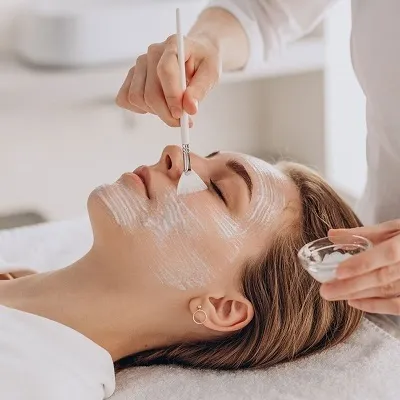
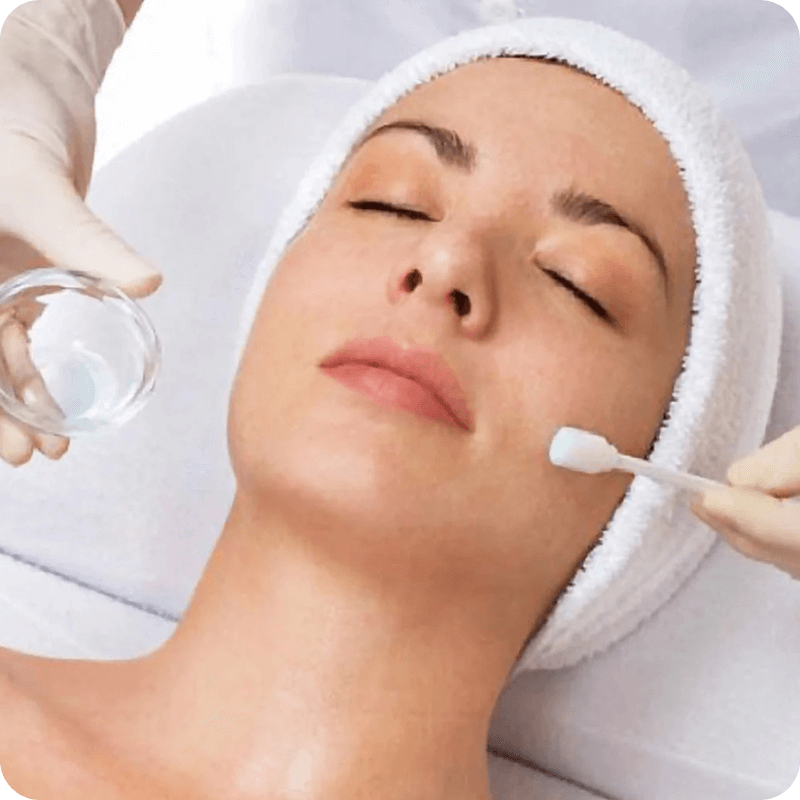
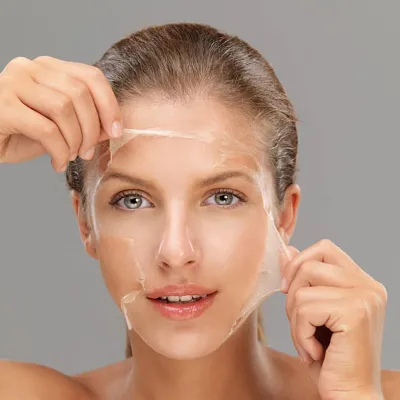
A chemical peel is a controlled exfoliation procedure that uses an acidic solution to dissolve the outermost layers of the skin. By removing damaged, pigmented or thickened surface cells, the treatment stimulates the skin’s natural renewal cycle — accelerating cell turnover, triggering collagen synthesis in the dermis, and revealing fresher, more even-toned skin beneath.
Unlike physical exfoliation (scrubs, dermaplaning), chemical peels create a uniform and depth-controlled resurfacing action. Depending on the acid type and concentration used, peels can target the epidermis only (superficial), the papillary dermis (medium), or the reticular dermis (deep). At Cosmolaser, we primarily use superficial to medium-depth protocols appropriate for active, working patients who cannot tolerate significant downtime.
Acid molecules penetrate the intercellular ‘glue’ that binds keratinocytes together in the stratum corneum. As bonds dissolve, the outermost skin layers shed — removing accumulated melanin (pigmentation), blocked keratin (blackheads, rough texture) and superficially scarred tissue. In the days that follow, the skin’s wound-healing cascade activates: fibroblasts increase collagen I and III production, epidermal stem cells accelerate, and fresh keratinocytes migrate to the surface with normalised melanin distribution.
Depth | Penetration | Typical Acids | Downtime |
|---|---|---|---|
Superficial | Epidermis only | Glycolic 20–50%, Lactic 50–70%, Mandelic 30–50%, Salicylic 20–30% | Mild redness 1–3 days, peeling optional |
Medium | Papillary dermis | TCA 15–35%, Glycolic 70%+, Jessner's | Redness 3–5 days, visible peeling 5–10 days |
Deep | Reticular dermis | TCA 50%+, Phenol | Not offered — requires anaesthesia & hospitalisation |
Derived from sugar cane, glycolic acid is the smallest alpha-hydroxy acid molecule, giving it the deepest penetration at equivalent concentrations. At Cosmolaser, we use pharmaceutical-grade glycolic in concentrations from 20% to 70% depending on skin type, tolerance history and treatment goal.
Best for: Fine lines, mild sun damage, dull complexion, hyperpigmentation in lighter Fitzpatrick types (I–III). Not recommended as a first peel for darker Fitzpatrick types due to PIH risk without prior sensitisation testing.
Acid Type | Alpha-Hydroxy Acid (AHA) |
Available Concentrations | 20%, 35%, 50%, 70% |
Treatment Time | 30–45 minutes |
Sessions Recommended | 4–6 sessions, 3–4 weeks apart |
Downtime | 1–5 days depending on concentration |
Ideal For | Dull skin, mild pigmentation, fine lines, skin texture |
Salicylic is a beta-hydroxy acid with a uniquely lipophilic (oil-loving) structure, enabling it to penetrate into hair follicles and sebaceous glands — making it the gold standard for oily, congested and acne-prone skin types. It delivers anti-inflammatory, comedolytic and mild antibacterial action alongside its exfoliating effect.
Best for: Acne-prone skin, oily skin, clogged pores, blackheads, mild acne scarring. Safe for Fitzpatrick III–VI with appropriate concentration selection.
Acid Type | Beta-Hydroxy Acid (BHA)Alpha-Hydroxy Acid (AHA) |
Available Concentrations | 10%, 20%, 30% |
Treatment Time | 20–40 minutes |
Sessions Recommended | 4–8 sessions, 2–3 weeks apart |
Downtime | Minimal — mild flaking 2–4 days |
Ideal For | Oily skin, acne, congestion, blackheads, mild acne scarring |
TCA is the most clinically versatile medium-depth peeling agent available. Unlike AHAs and BHAs which work via acid pH, TCA causes protein coagulation — visually marked by a ‘frosting’ of the skin surface. The depth of penetration is precisely controlled by TCA concentration and the number of coats applied. At Cosmolaser, TCA peels are physician-administered only.
Best for: Moderate sun damage, established melasma (post-preparation), acne scarring, deeper lines, and patients who have plateaued on superficial peel courses.
Acid Type | Trichloroacetic Acid |
Available Concentrations | 10–15% (superficial), 20–35% (medium) |
Treatment Time | 45–60 minutes |
Sessions Recommended | 1–3 sessions, 6–8 weeks apart |
Ideal For | Acne scars, sun damage, melasma, moderate lines — physician-administered |
Lactic acid is the gentlest and most hydrating of the AHA family. Derived from milk, its larger molecular size means slower, more superficial penetration — ideal for sensitive, reactive or dehydrated skin types. It also inhibits tyrosinase (the key enzyme in melanin synthesis) making it effective for pigmentation with minimal irritation risk.
Best for: Sensitive skin, first-time peel patients, dry and dehydrated skin, early melasma, post-inflammatory hyperpigmentation in Fitzpatrick IV–VI.
Acid Type | Alpha-Hydroxy Acid (AHA) |
Available Concentrations | 40%, 60%, 70%, 85% |
Treatment Time | 20–30 minutes |
Sessions Recommended | 4–8 sessions, 2–3 weeks apart |
Downtime | Minimal — mild redness 1–2 days |
Ideal For | Sensitive skin, first-time patients, dehydrated skin, early PIH |
Mandelic acid, derived from bitter almonds, has the largest molecular size of the AHA group — meaning the slowest, most controlled penetration. This makes it the safest option for UAE skin types with higher melanocyte density, significantly reducing the risk of post-inflammatory hyperpigmentation compared to glycolic at equivalent efficacy levels. It combines exfoliating, antibacterial and anti-inflammatory properties.
Best for: Darker Fitzpatrick III–VI skin types, acne-prone skin with pigmentation, melasma, and patients with a history of PIH reactions to glycolic acid peels.
Acid Type | Alpha-Hydroxy Acid (AHA) — aromatic |
Available Concentrations | 30%, 40%, 50% |
Treatment Time | 20–35 minutes |
Sessions Recommended | 6–8 sessions, 2–3 weeks apart |
Downtime | Minimal — mild redness 1–3 days |
Ideal For | South Asian, Arab, African skin tones, PIH-prone skin, active acne with pigmentation |
Your Primary Concern | Fitzpatrick Type | Recommended Peel |
|---|---|---|
Dull complexion, uneven texture | I–III | Glycolic 35–50% series |
Dull complexion, uneven texture | IV–VI | Mandelic 40% series |
Oily skin, blackheads, acne | All types | Salicylic 20–30% series |
Active acne + pigmentation | III–VI | Salicylic + Mandelic combination |
Melasma (early) | III–VI | Lactic or Mandelic series |
Melasma (established) | III–V (with pre-treatment) | TCA 15–20% (physician-supervised) |
Sun damage, fine lines | I–III | Glycolic 70% or TCA 20–25% |
Acne scars (shallow) | II–IV | TCA 20–30% or Glycolic 70% series |
Sensitive, reactive skin | All types | Lactic 60–70% series |
First-time peel patient | All types | Lactic or Mandelic to assess tolerance |
Chemical peels are not limited to the face. Any area with pigmentation, acne scarring, uneven texture or sun damage can benefit from a targeted peel protocol:
Face | Neck & Decolletage | Body | Specialist |
|---|---|---|---|
Full face resurfacing | Sun damage on neck | Back acne & scarring | Hands (age spots, texture) |
Forehead lines & sun spots | Chest pigmentation | Shoulder pigmentation | Underarm pigmentation |
Cheek pigmentation & melasma | Neck crepiness | Knee & elbow darkening | Bikini area PIH |
Periorbital (around eyes) — gentle only | Lateral chest wrinkles | Stretch mark area prep | Foot texture |
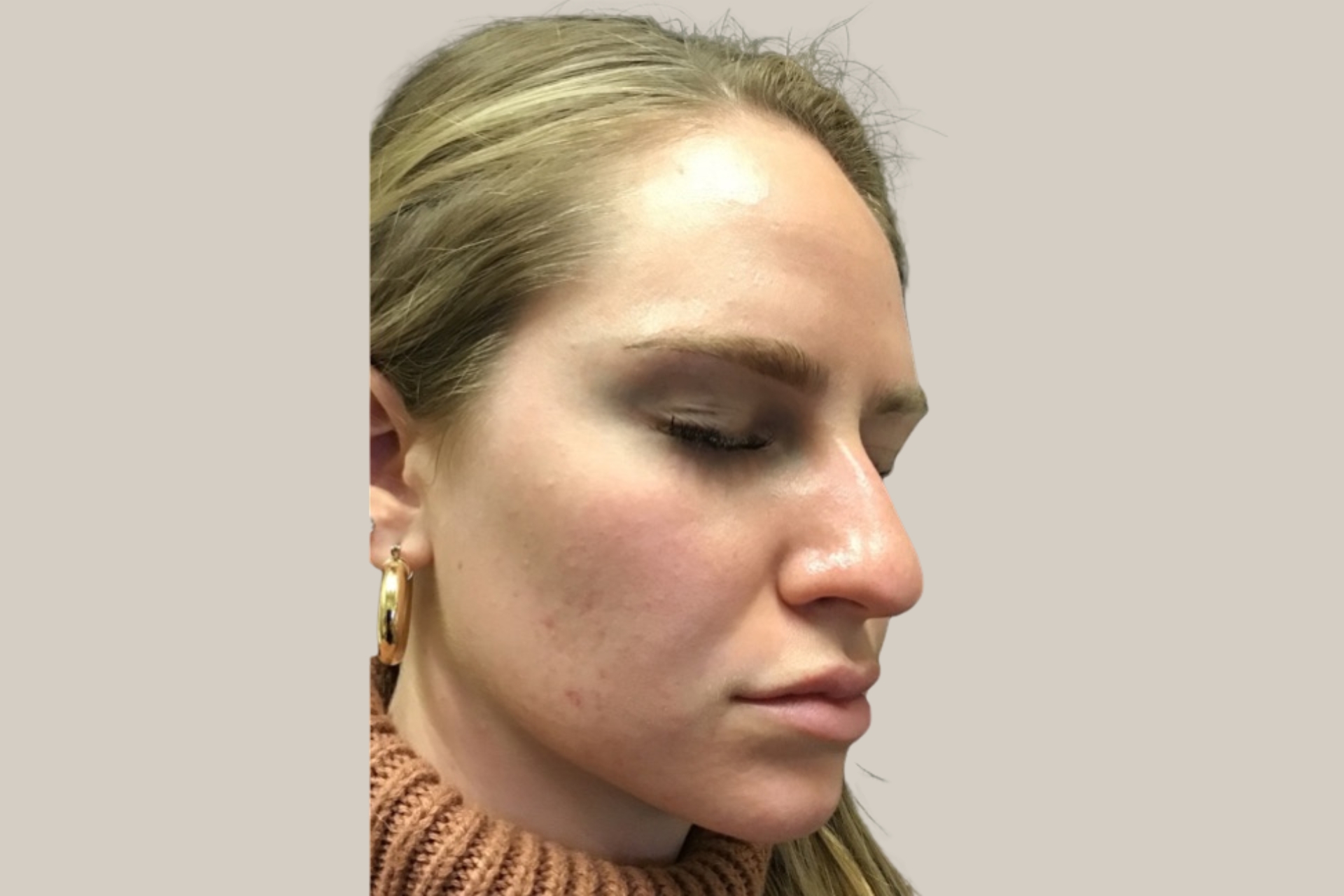
Female patient, Fitzpatrick IV, 34 years. 6-session Mandelic 40% series with pre-treatment topical hydroquinone preparation.
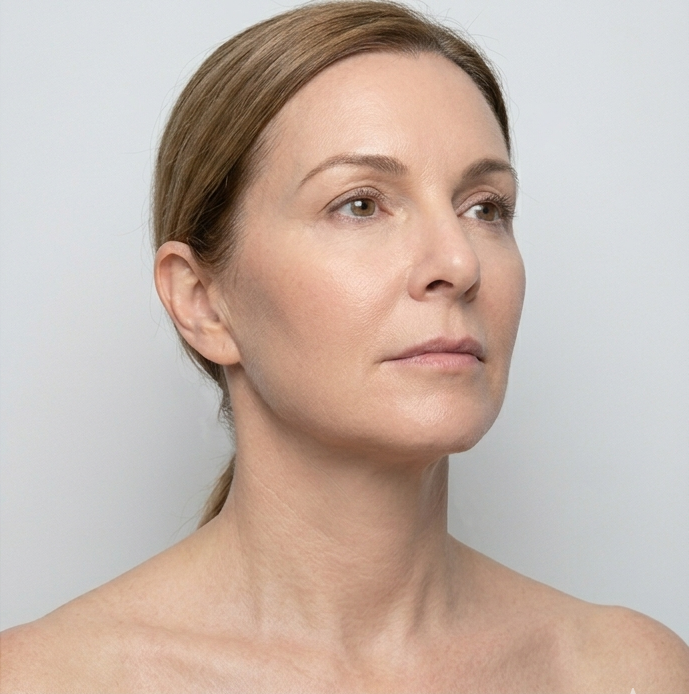
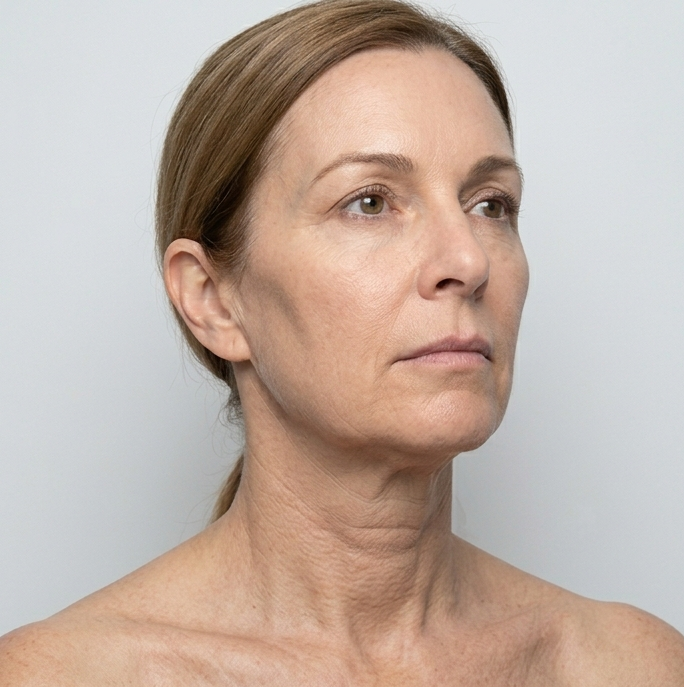
Medical-grade mandelic peel series for melasma, Cosmolaser Sharjah”
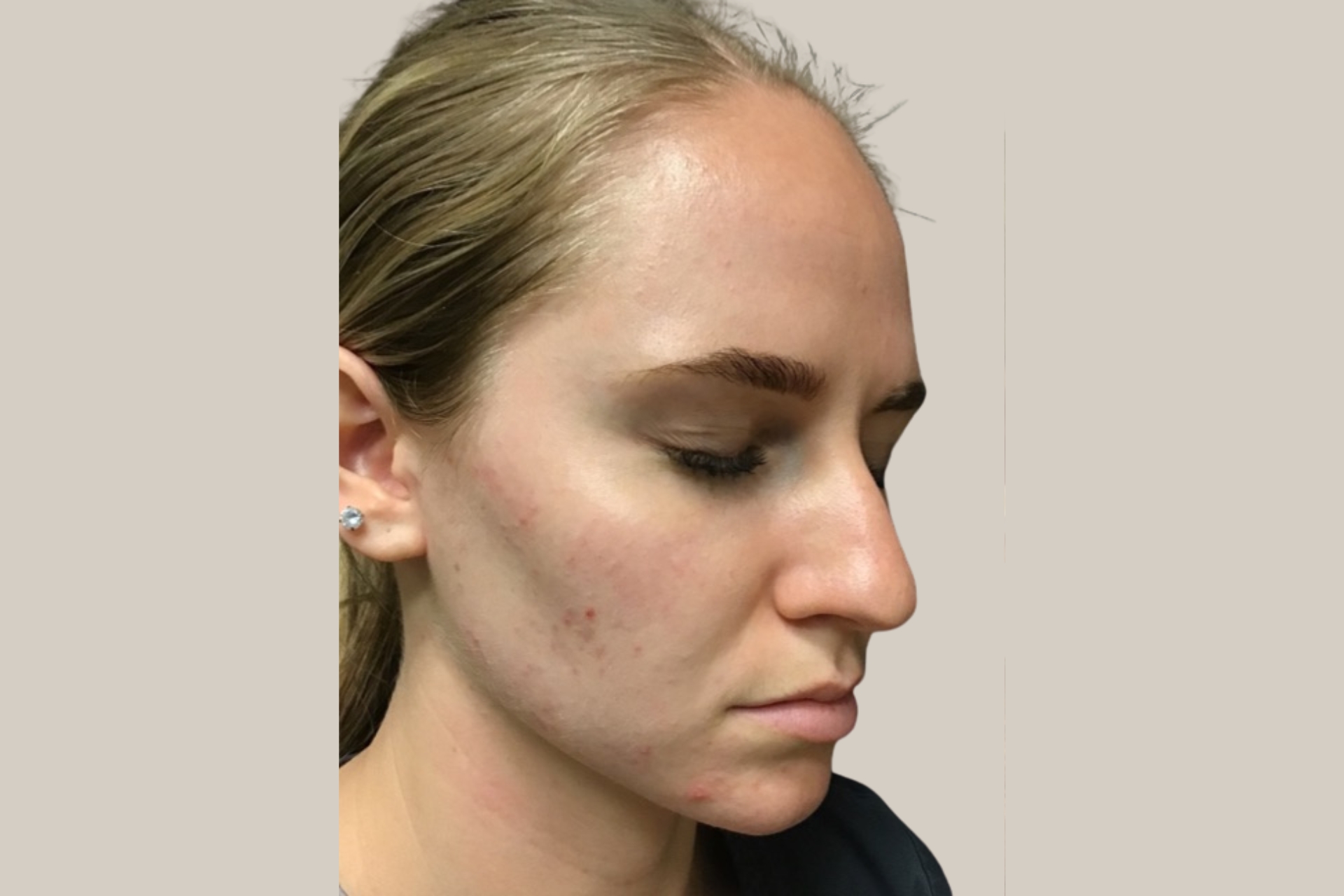
Male patient, Fitzpatrick III, 27 years. 8-session Salicylic 20% + Mandelic 30% combination protocol.
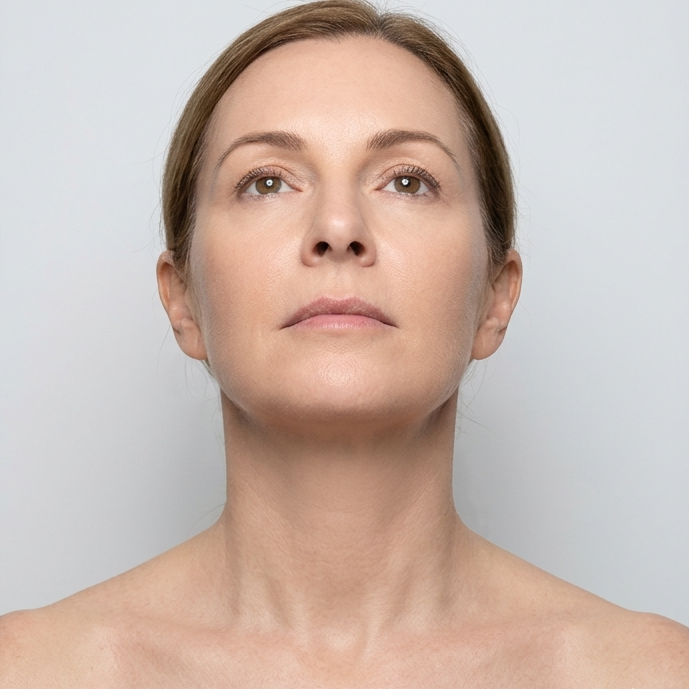
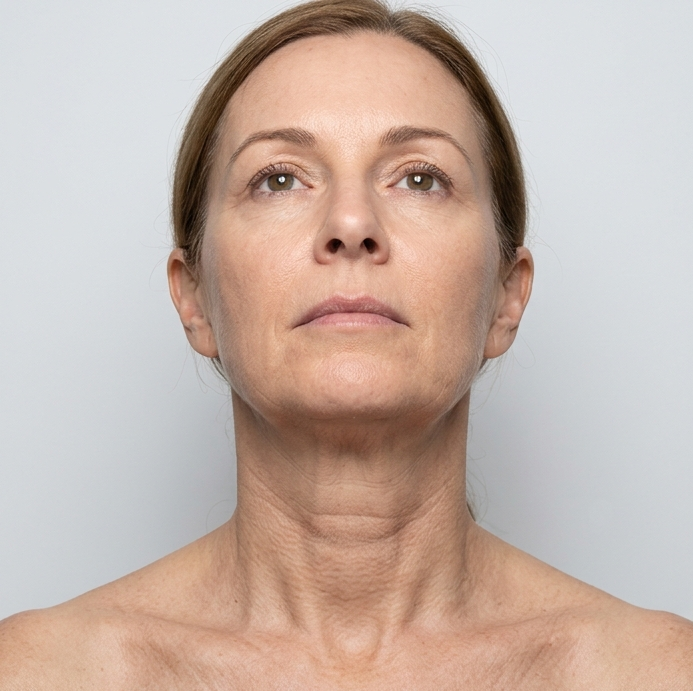
Chemical peel for acne scars and pigmentation, Cosmolaser Medical Centre Sharjah
Female patient, Fitzpatrick II, 42 years. 4-session Glycolic 50% series — face and neck.
Glycolic acid peel for sun damage and uneven skin tone, Sharjah
Female patient, Fitzpatrick III, 31 years. 2 sessions TCA 25% with 8-week interval and full pre/post-treatment protocol.
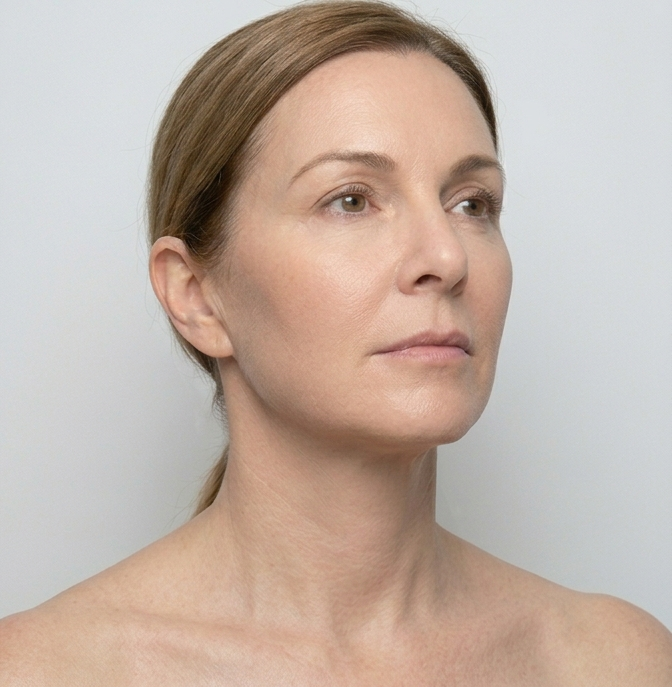
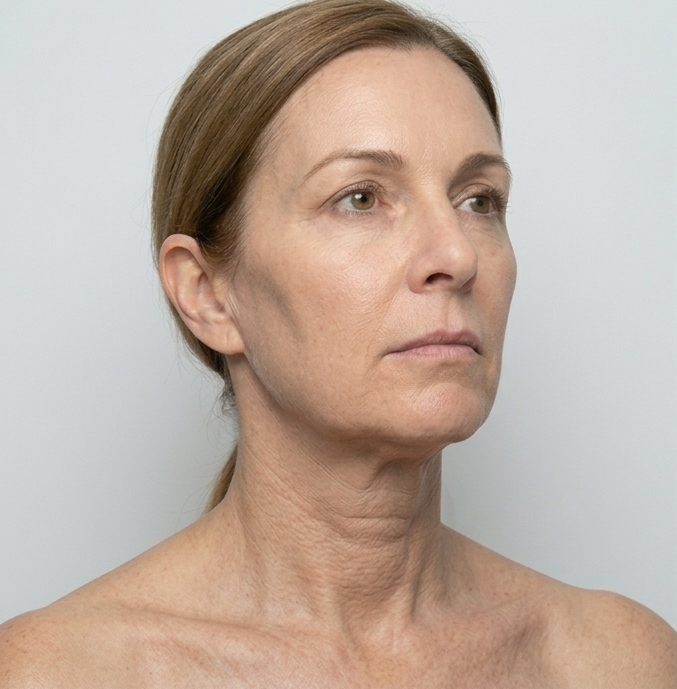
TCA chemical peel for acne scars, Cosmolaser Medical Centre, Sharjah
Female patient, Fitzpatrick V, 38 years. 6-session Lactic 60% series for skin brightening without PIH risk.
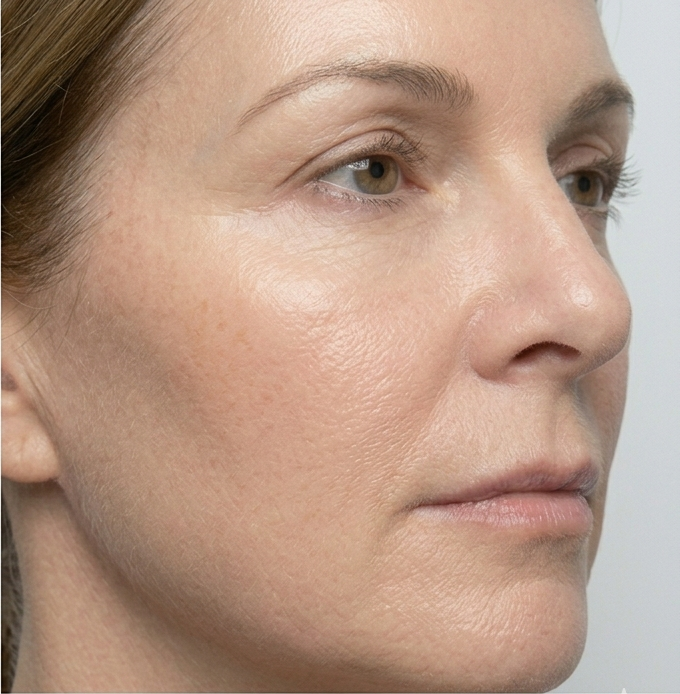
Chest acne scar resurfacing — fractional CO2 laser. Cosmolaser Medical Centre, Sharjah
Lactic acid peel for sensitive skin and brightening, Cosmolaser Sharjah
Salicylic acid body peel for back acne and scarring, Cosmolaser Sharjah
Fitzpatrick skin typing assessment, peel history review, treatment goal discussion. Physician recommends peel type, concentration and series length. Pre-treatment topical preparation prescribed if required (e.g. retinoid priming, hydroquinone for melasma).
Avoid sun exposure for 2 weeks before your peel. Discontinue retinoids 5–7 days prior. Arrive with clean skin — no makeup, SPF or skincare products. Photographs taken for baseline documentation.
Skin is thoroughly degreased with an acetone or alcohol prep solution to remove all oils, products and surface debris. This is critical for uniform acid penetration.
Acid solution applied to treatment area using a fan brush or gauze in even strokes. Physician monitors skin response throughout — timing varies by acid type. A gentle fan or air cooler manages any mild stinging sensation.
AHA and BHA peels are neutralised with sodium bicarbonate solution or removed with water at the appropriate endpoint. TCA peels self-neutralise — no removal required. The physician assesses frost level (TCA) or erythema response (AHAs/BHAs) to confirm depth achieved.
Calming mask or barrier serum applied immediately post-peel. SPF 50 applied before you leave. Written aftercare instructions provided.
Gentle cleanser twice daily — no acids, actives, retinoids or abrasive products. Hydrating moisturiser and strict SPF 50+ every morning without exception. Do not pick, peel or exfoliate shedding skin — this is the most common cause of PIH complications.
Results are reviewed at your next session or at a follow-up call at day 14. Series sessions are spaced 2–4 weeks apart (AHAs/BHAs) or 6–8 weeks apart (TCA). Between sessions, a physician-recommended maintenance regime is prescribed.
Treatment | Why Combine It | Page Link |
|---|---|---|
HydraFacial | Deep cleansing and infusion before a peel course prepares skin and extends results. Also used post-series for maintenance. | /services/skin-treatments/hydrafacial-sharjah/ |
Skin Boosters (Profhilo / Jalupro) | Restores hydration deep in the dermis while peels address surface — ideal combination for dry, dehydrated skin. | /services/injectables/skin-boosters-sharjah/ |
Pico Laser | Targets deeper pigmentation that peels cannot reach — melasma, stubborn sun spots and post-acne marks unresponsive to acid peels alone. | /services/laser-treatments/pico-laser-sharjah/ |
Microneedling | Collagen induction complements peel-based texture improvement. Microneedling addresses rolling scar depth; peels refine surface texture. | /services/skin-treatments/microneedling-sharjah/ |
Acne Treatment Programme | Medical acne management alongside peel series maximises outcome for patients with active acne and PIH. | /services/skin-treatments/acne-treatment-sharjah/ |
CO2 Fractional Laser | For deeper acne scars or resurfacing needs beyond medium-depth peel capability — CO2 laser is the next clinical escalation. | /services/laser-treatments/co2-fractional-laser-sharjah/ |
We’ve gathered the most common questions to help you feel informed, confident, and ready for your journey with us.
Yes — when the correct peel is selected. The risk with darker Fitzpatrick types (III–VI) is post-inflammatory hyperpigmentation (PIH), where the skin responds to the peeling process by overproducing melanin. At Cosmolaser, we use mandelic and lactic acid peels for darker skin types because their larger molecular size means slower, more controlled penetration with significantly lower PIH risk. For any new patient, we also conduct a patch test and review your history before proceeding. Avoid any clinic that applies glycolic acid at high concentrations to dark skin without a full assessment.
This depends on your concern and peel type. Superficial AHA/BHA peels typically require a series of 4–8 sessions spaced 2–3 weeks apart for optimal results. Medium-depth TCA peels work in 1–3 sessions spaced 6–8 weeks apart. Many patients see visible brightening and texture improvement after their first session, but the full cumulative benefit builds across the series. Your physician will recommend a series length based on your specific concerns at consultation.
Most peels take 30–60 minutes in total, including preparation, application and post-peel calming treatment. TCA peels take slightly longer (45–60 minutes) due to the observation time required to monitor frosting. Allow up to 90 minutes for your first appointment including the initial consultation and photography.
Downtime varies by peel depth. Lactic and mandelic peels have minimal downtime — some mild dryness or redness for 1–3 days, with little to no visible peeling. Salicylic and glycolic peels may cause mild flaking for 2–5 days. TCA medium-depth peels cause visible peeling and redness for 7–14 days — plan accordingly. For most superficial peels, patients return to work the same day or the following morning with good SPF cover.
Yes, with precautions. The key rule is strict SPF 50+ use starting immediately after your peel and throughout your series. In summer, we may reduce peel concentration slightly to account for increased baseline UV exposure and recommend indoor activities for 48–72 hours post-peel. We do not recommend TCA medium-depth peels in peak summer months (June–August) due to the extended downtime period during which UV protection becomes difficult.
Superficial peels (lactic, mandelic, low-percentage salicylic) cause mild tingling or warmth during application — usually very manageable. Glycolic at higher concentrations and TCA peels cause a more noticeable stinging or burning sensation for several minutes during application, which subsides once the peel is neutralised or naturally self-neutralises. We use a small fan to reduce discomfort during treatment. Numbing cream is not required or recommended for peel procedures.
Yes, and combination approaches often produce the best outcomes. Popular combinations at Cosmolaser include peel + HydraFacial (cleanses and preps skin), peel + skin boosters (surface exfoliation with deep hydration), and peel + pico laser (surface and deep pigmentation treated simultaneously). Your physician will advise on sequencing and intervals to avoid over-stimulating the skin barrier.
Chemical peels significantly reduce melasma visibility and can achieve excellent results across a series — particularly mandelic and lactic peels with prior topical preparation using hydroquinone or azelaic acid. However, melasma is a chronic condition driven by hormones, UV and heat exposure. Without ongoing sun protection and maintenance, it will return. Many patients treat with a peel series twice yearly and maintain results with daily SPF 50 and a physician-prescribed home care routine. Pico laser may be recommended for deeper or more resistant melasma.
Book your physician-led chemical peel consultation at Cosmolaser Medical Centre, Sharjah. The right peel — chosen for your skin, not guessed.