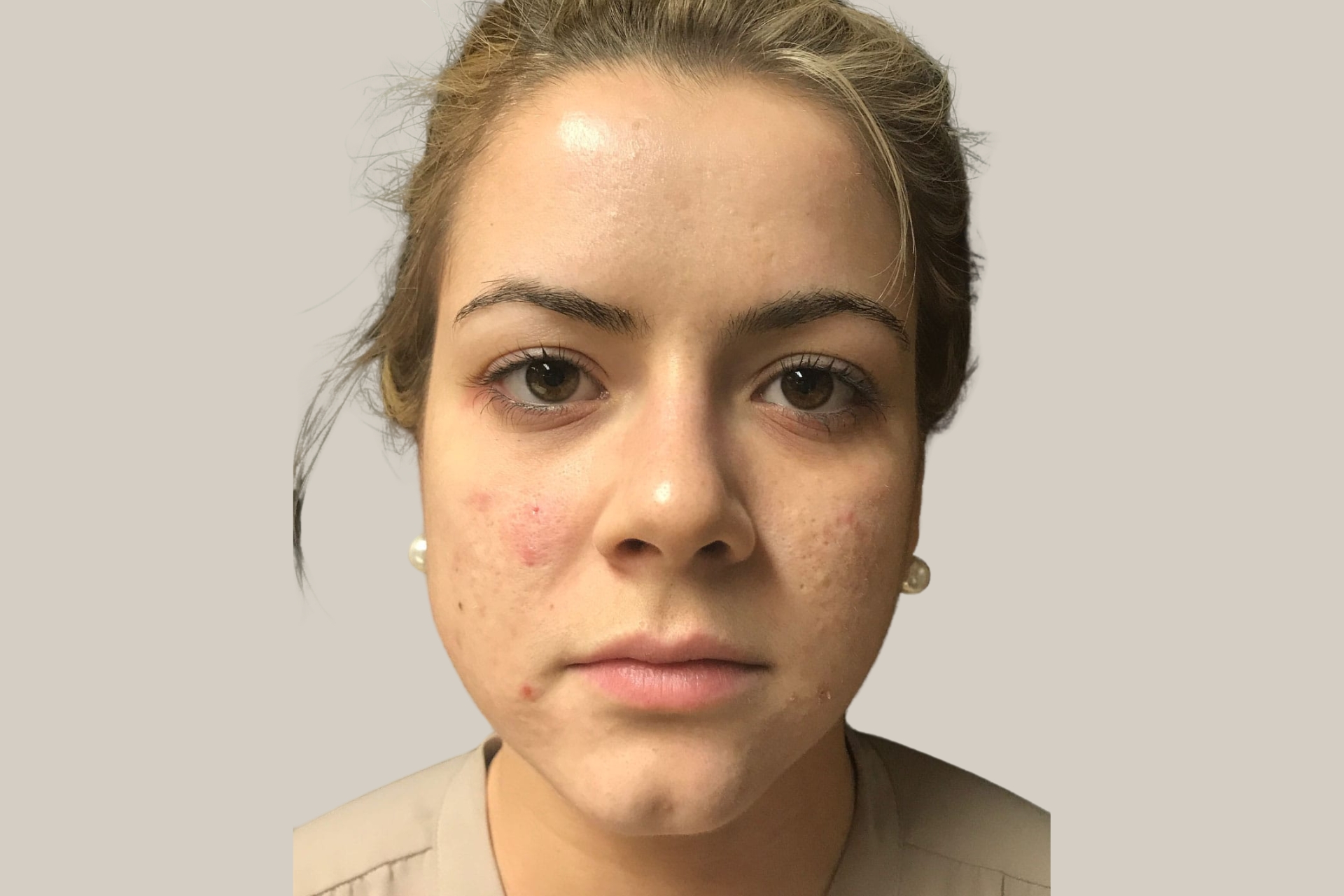
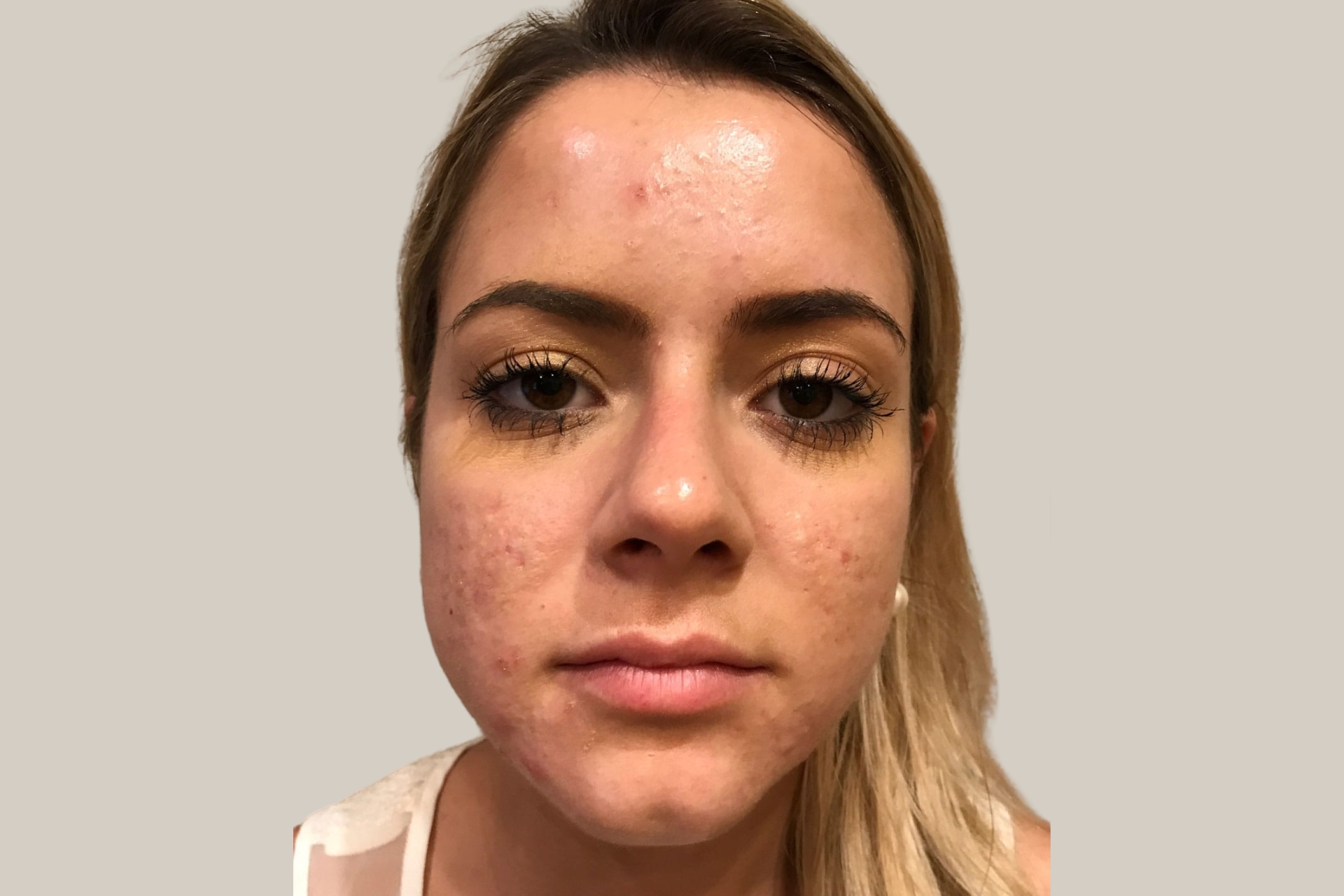
Acne scars form when the inflammation of an acne lesion damages the deeper dermal layer of the skin, disrupting the normal collagen architecture. The greater the inflammation, the deeper the damage — and the more visible the resulting scar. In the UAE, this process is compounded by two factors that accelerate scar formation and make existing scars more visible: UV exposure and Fitzpatrick skin type.
The UAE’s year-round high UV index drives post-inflammatory hyperpigmentation (PIH) — the dark marks that follow acne lesions — to deepen and persist far longer than in lower-UV environments. Even brief, unprotected sun exposure in Sharjah following an acne breakout can lock in dark marks for months or years. Simultaneously, the skin types most prevalent in the UAE (South Asian, Arab, African — Fitzpatrick IV–VI) have naturally higher melanin activity, making them more susceptible to PIH and more likely to develop hypertrophic (raised) scarring responses.
Effective acne scar treatment in the UAE therefore requires two parallel strategies: structural scar remodelling (CO2 laser, RF microneedling) to address the physical indentation and texture damage, and pigmentation management (Pico laser, peels, prescription agents) to address the colour component. At Cosmolaser in Sharjah, we combine both in every scar programme — because treating only texture while ignoring PIH, or vice versa, delivers incomplete results.
Not all acne scars are the same — and the distinction matters enormously for treatment selection. Acne scars fall into two broad categories: atrophic scars (where tissue is lost, creating depressions) and hypertrophic or keloidal scars (where excess tissue forms, creating raised lesions). Post-inflammatory hyperpigmentation (PIH) is technically not a scar but a pigmentary change — it is flat, has no textural component, and responds to entirely different treatments.
Scar Type | Appearance | Depth & Mechanism | Best Treatment |
|---|---|---|---|
Ice Pick | Deep, narrow pits — like a sharp instrument pierced the skin | Deepest atrophic type; extends into dermis/subcutaneous tissue | CO2 laser (ablative), TCA Cross technique |
Boxcar | Wider, defined edges with a flat base; round or oval shaped | Mid-depth atrophic; base of scar is visible; defined walls | CO2 fractional laser, RFMN, deep peels |
Rolling | Undulating, wave-like depressions; less defined edges | Tethered by fibrous tissue bands pulling dermis downward | RFMN (subcision effect), CO2 laser |
Hypertrophic / Keloid | Raised, firm scar tissue above skin surface | Excess collagen deposition; common in Fitzpatrick IV–VI | Intralesional injection, laser, silicone |
PIH (Post-Inflammatory Hyperpigmentation) | Flat dark marks (brown, red, purple); no texture | Melanin overproduction in response to inflammation | Pico laser, peels, topical depigmentation |
Erythema (Post-Acne Redness) | Flat pink/red marks; temporary in most cases | Residual vasodilation post-inflammation | Vascular laser, LED, resolves over time |
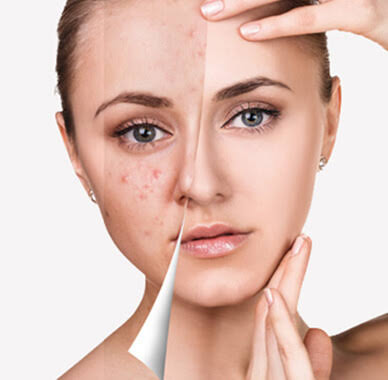
CO2 fractional laser is the most clinically proven treatment for moderate-to-severe atrophic acne scars — boxcar and rolling in particular. The laser creates microscopic columns of controlled thermal injury across the skin surface (fractional photothermolysis), simultaneously ablating superficial scar tissue and triggering a deep wound-healing response that generates new collagen and elastin.
At Cosmolaser, we use fractional (not fully ablative) CO2 settings to maximise results while maintaining the epidermal recovery time appropriate for darker Fitzpatrick skin types. A course of 3–5 sessions spaced 6–8 weeks apart produces significant, lasting improvements in surface texture, scar depth, and overall skin quality.
Best For | Boxcar and rolling atrophic scars; moderate-to-severe texture irregularity; generalised skin resurfacing |
Not For | Active acne (must be clear first); isotretinoin patients within 6 months; Fitzpatrick VI (high PIH risk — assess case by case) |
Sessions Required | 3–5 sessions, spaced 6–8 weeks apart |
Session Duration | 30–45 minutes (including numbing time) |
Downtime | 5–7 days: redness, swelling days 1–3; peeling days 3–6; social downtime approximately 7 days |
Results Timeline | Visible texture improvement from session 1 (after healing); progressive improvement over 3–6 months as collagen matures |
UAE Note | Schedule in cooler months (Oct–Mar) where possible; strict SPF 50+ for 4 weeks post-treatment is mandatory |
Radiofrequency microneedling (RFMN) delivers RF energy directly into the dermis via insulated microneedles, triggering deep collagen remodelling without ablating the epidermis. Unlike CO2 laser, RFMN does not remove the surface layer — making it safer for darker skin types with higher PIH risk, and enabling faster recovery with significantly less downtime.
For rolling scars in particular, the needle penetration disrupts the fibrous tethering bands that pull the skin surface downward — providing a subcision-like effect alongside the collagen stimulation. RFMN at Cosmolaser is also used for generalised skin laxity and textural improvement across patients who want resurfacing results without the social downtime of CO2 laser.
Best For | Rolling and boxcar scars; patients with darker skin types (Fitz. IV–V); patients who cannot take downtime; skin laxity combined with scarring |
Not For | Active acne; recent ablative laser (wait 3 months); keloid-prone patients (caution) |
Sessions Required | 3–5 sessions, spaced 4–6 weeks apart |
Session Duration | 40–60 minutes (including topical anaesthetic) |
Downtime | 1–3 days: pinpoint redness and mild swelling; micropunctures heal rapidly; social downtime 1–2 days |
Results Timeline | Collagen remodelling peaks at 3 months; visible improvement after session 2; full results at 6 months post-course |
UAE Note | Can be performed year-round including summer; more forgiving SPF requirement vs CO2 laser but still mandatory |
The Pico laser delivers ultra-short picosecond pulses of energy that shatter melanin particles in PIH lesions without generating heat — making it the safest and most effective laser option for post-inflammatory hyperpigmentation in darker Fitzpatrick skin types. Unlike nanosecond lasers, Pico does not create significant thermal injury, dramatically reducing the risk of further pigmentation in melanin-rich skin.
For patients with combined atrophic scarring and PIH (the most common mixed presentation), we use Pico laser to address the pigmentation component in parallel with CO2 or RFMN for structural scar remodelling — sequencing sessions to allow healing between modalities.
Best For | PIH (brown/red/purple flat marks); mixed pigmentation + textural scars; darker Fitzpatrick types IV–VI |
Not For | Active inflammatory acne; keloidal scars |
Sessions Required | 4–6 sessions for PIH, spaced 3–4 weeks apart |
Session Duration | 20–30 minutes |
Downtime | Minimal — mild redness for 24 hours; no peeling |
Results Timeline | PIH lightening visible from session 2; significant clearance by session 4–5 |
UAE Note | Year-round safe; SPF 50+ mandatory during course; combine with topical depigmentation agents for optimal results |
Chemical peels at medium depth (TCA 15–30%) are a cost-effective and highly effective approach for boxcar scars and PIH, particularly when used as part of a combined programme with laser. TCA Cross (trichloroacetic acid focally applied to individual ice pick scars) is a specific technique for treating deep narrow pits — applying high-concentration TCA precisely into the scar base to stimulate focally dense collagen formation.
For Fitzpatrick IV–V patients, mandelic and lactic acid peels are preferred over glycolic and TCA for ongoing scar maintenance — they resurface effectively without the PIH risk of stronger acids.
Best For | Boxcar scars (medium TCA); ice pick scars (TCA Cross); PIH maintenance (mandelic/lactic); post-laser maintenance |
Peel Types | TCA 15–30% (medium resurfacing); TCA Cross 70–100% (spot ice pick treatment); mandelic acid (darker skin types) |
Sessions Required | 4–6 for medium TCA series; TCA Cross 2–4 sessions per ice pick cluster |
Session Duration | 20–30 minutes |
Downtime | 3–7 days depending on peel depth; peeling and mild erythema |
Results Timeline | Texture improvement visible after healing; progressive with series |
UAE Note | Schedule Oct–Mar ideally; SPF 50+ during and after course is mandatory |
For patients with moderate-to-severe acne scarring, a combination programme delivering two or more modalities in a planned sequence consistently produces superior results to any single treatment used alone. At Cosmolaser, we design sequenced combination programmes based on each patient’s scar map — the type, depth, and distribution of scars across each facial zone.
A typical combination programme might begin with an RFMN session to start collagen remodelling and reduce PIH risk before introducing CO2 laser, progress to fractional CO2 sessions for deeper structural remodelling, and use Pico laser and peels to address residual PIH between laser sessions. Each step is spaced to allow adequate healing before the next intervention.
Best For | Moderate-to-severe mixed scar types; patients with both atrophic scars and PIH; patients seeking maximum achievable improvement |
Typical Programme | RFMN x2 → CO2 x2–3 → Pico laser x3 → Maintenance peel x2–4 (over 9–12 months) |
Total Sessions | 9–15 sessions over 6–12 months (spaced to allow collagen maturation between sessions) |
Downtime per session | Varies by modality: CO2 (7 days), RFMN (2 days), Pico (1 day), Peel (3–5 days) |
Results Timeline | Progressive over 12 months; most visible improvement at 6-month mark |
Investment Note | Combination programmes are discussed at assessment; package pricing available |
Scar Concern | Recommended Starting Point | Key Consideration |
|---|---|---|
Ice pick scars only | TCA Cross technique (peel) | Requires precise focal application; 2–4 sessions |
Boxcar scars (moderate) | CO2 fractional laser course | Gold standard; 7-day downtime per session |
Rolling scars | RFMN or CO2 laser | RFMN preferred for darker skin types |
Dark marks / PIH only | Pico laser + topical depigmentation | No structural scar component — pigment only |
Mixed: scars + PIH | Combination programme (RFMN + Pico or CO2 + Pico) | Sequence carefully — not concurrent on same day |
Darker skin type (Fitz. IV–VI) | RFMN as first-line; Pico for PIH | CO2 used cautiously; mandelic peels preferred |
Cannot take downtime | RFMN (2-day downtime) or Pico (1-day) | Results build slower but without work disruption |
Raised / hypertrophic scars | Intralesional injection + laser | Different pathway — assess at consultation |
Facial Zone | Typical Scar Types | Preferred Modality | Special Notes |
|---|---|---|---|
Cheeks (most common) | Boxcar, rolling, PIH | CO2 laser or RFMN + Pico | Largest surface area; most impactful results |
Nose & nasal area | Ice pick scars | TCA Cross + CO2 | Thin skin — conservative settings required |
Forehead | Shallow boxcar, PIH | CO2 or RFMN + peel | Generally good healing; lower PIH risk |
Jaw & chin | Rolling scars, PIH, hormonal residual | RFMN + Pico laser | Often hormonal acne origin |
Temples | Shallow atrophic, PIH | RFMN or peel course | Thin skin; conservative approach |
Chest / decolletage | Shallow atrophic, PIH | Gentle CO2 or RFMN + peel | Chest skin heals more slowly — extend intervals |
Back (post-body acne) | Shallow atrophic, PIH, hypertrophic | CO2 or RFMN; keloid assessment first | Body scar response varies; assess hypertrophic risk |
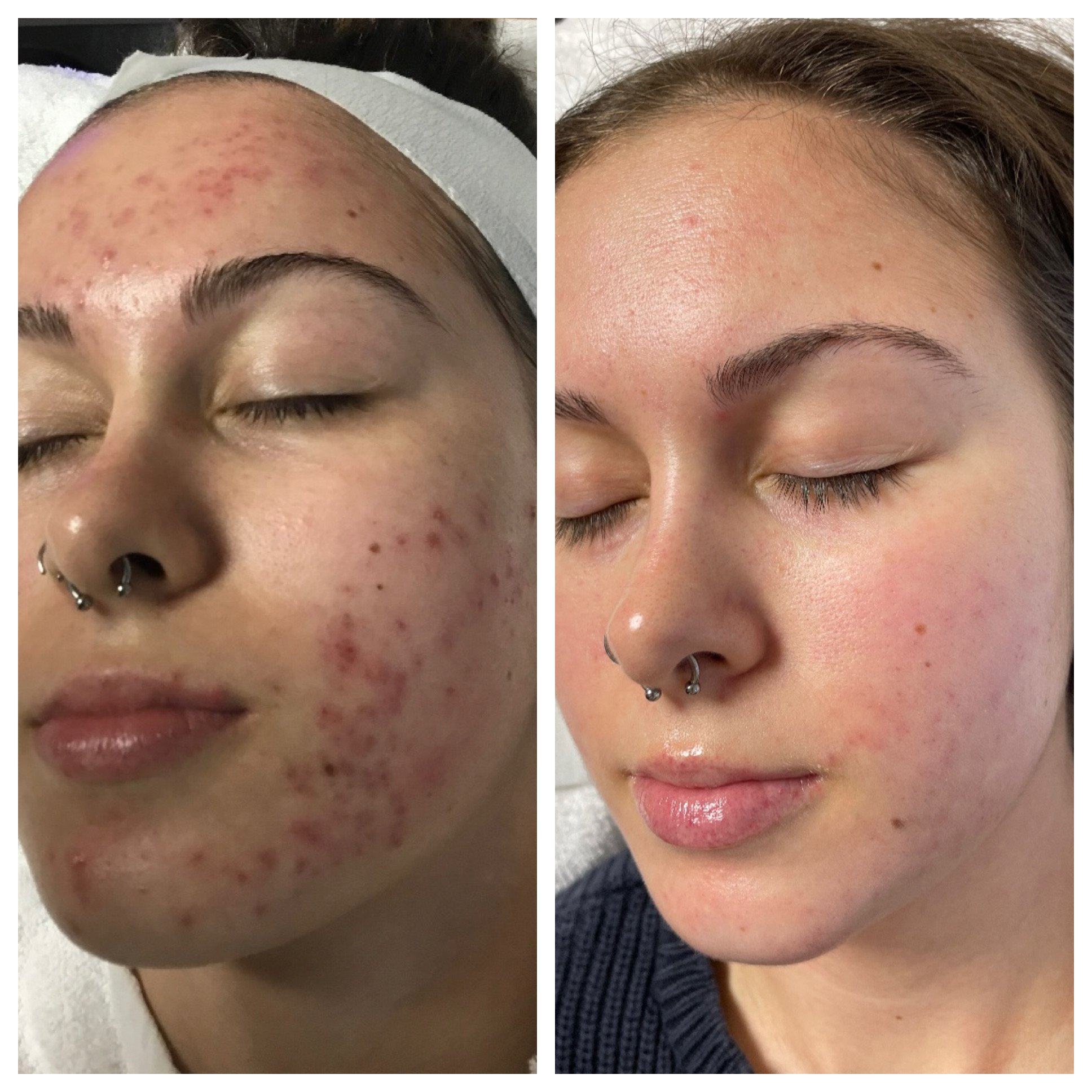
Female patient, 29 years, Fitzpatrick III. CO2 fractional laser x3 sessions + RFMN x2 sessions over 9 months.
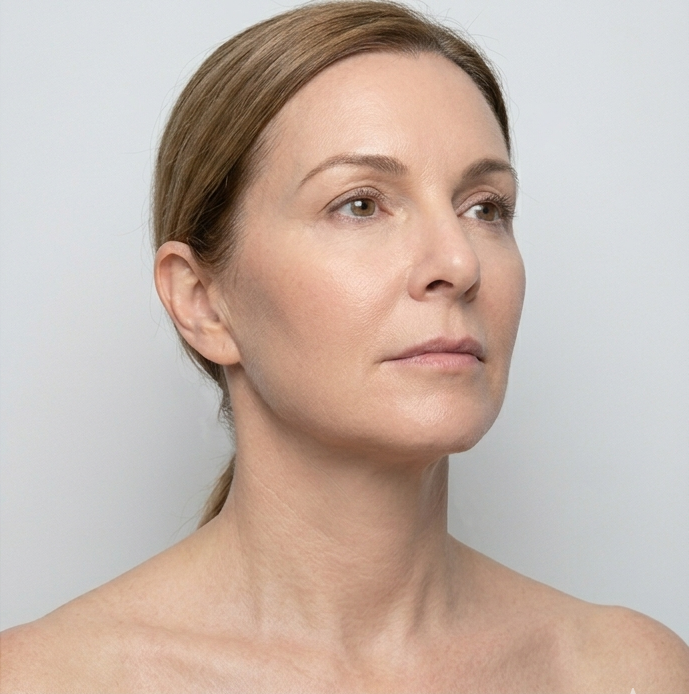
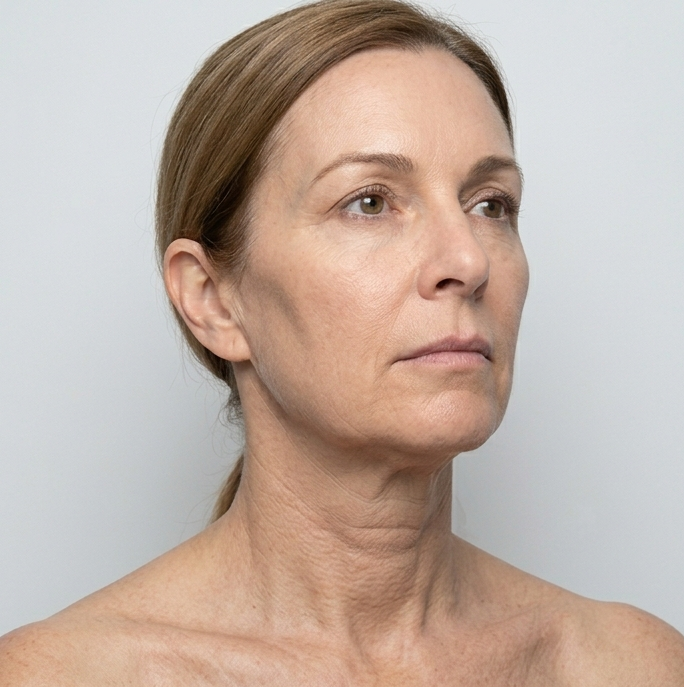
Acne scar programme — CO2 fractional laser + RFMN. Cosmolaser Medical Centre, Sharjah.
Female patient, 32 years, Fitzpatrick V. Pico laser x5 sessions + mandelic peel course x4 over 5 months.
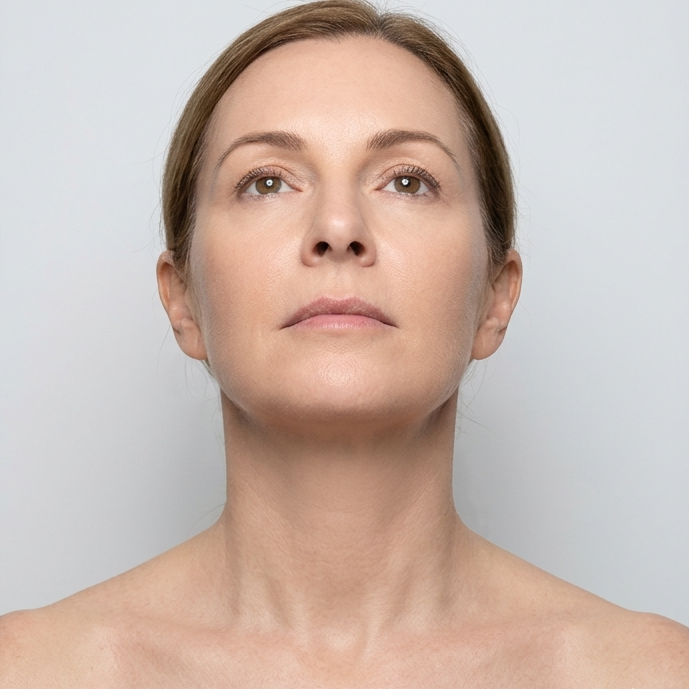
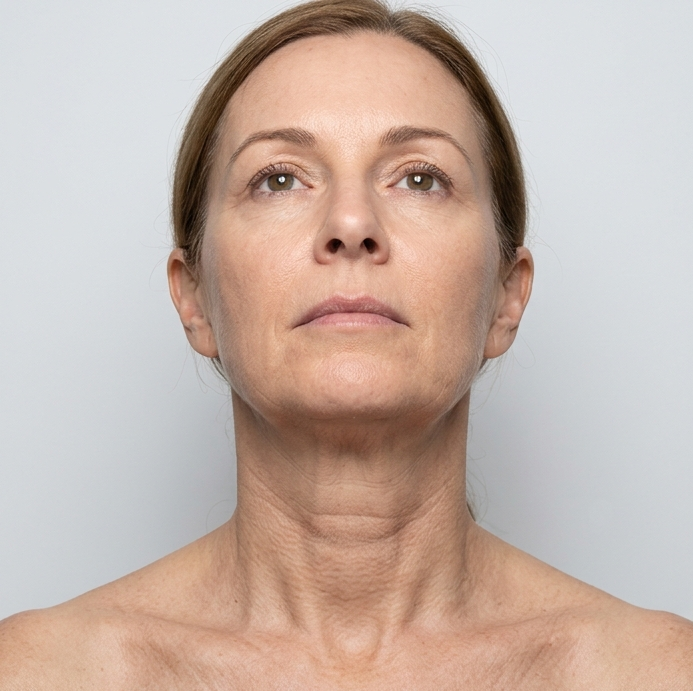
Post-acne PIH programme — Pico laser + mandelic peel. Cosmolaser Medical Centre, Sharjah.
Female patient, 27 years, Fitzpatrick IV. TCA Cross x3 sessions + CO2 fractional laser x2 sessions.
Ice pick scar programme — TCA Cross + CO2 laser. Cosmolaser Medical Centre, Sharjah.
Male patient, 35 years, Fitzpatrick IV. Full combination: RFMN x2 + CO2 x3 + Pico x4 over 11 months.
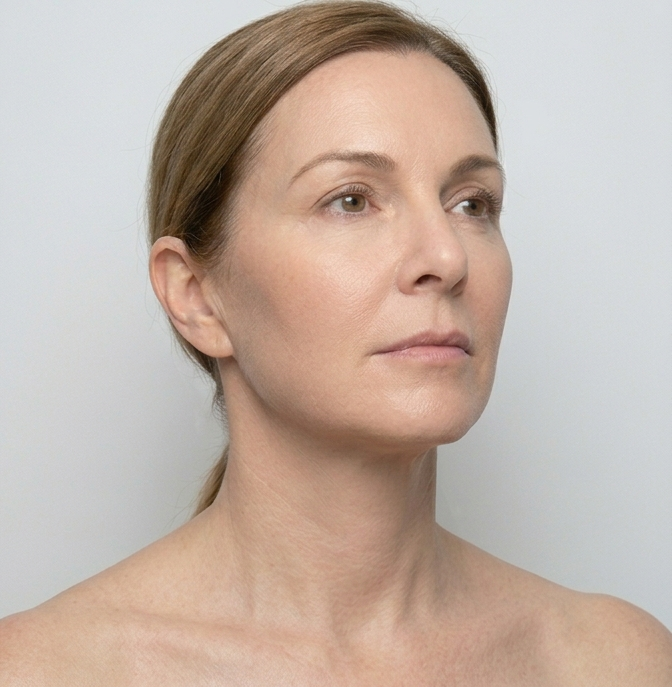
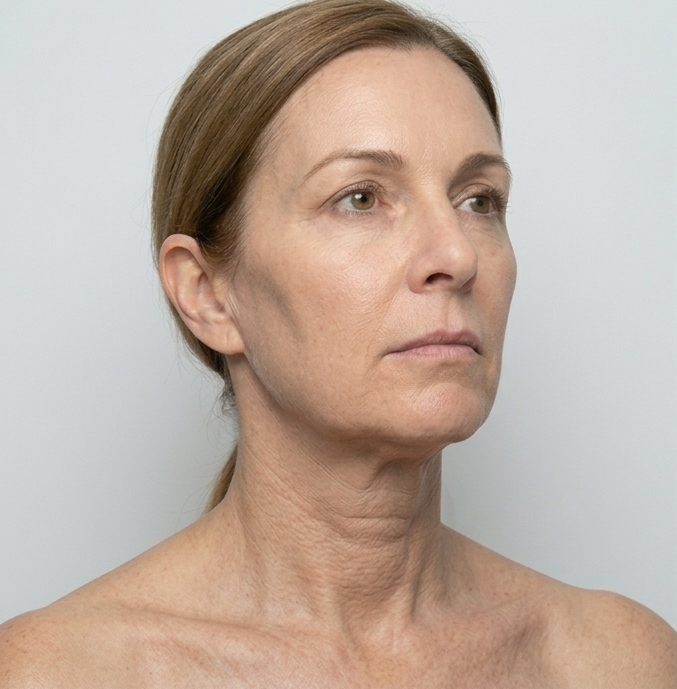
Combination acne scar programme. Cosmolaser Medical Centre, Sharjah.
Female patient, 30 years. CO2 fractional laser x3 sessions (modified settings for chest) + PIH topicals.
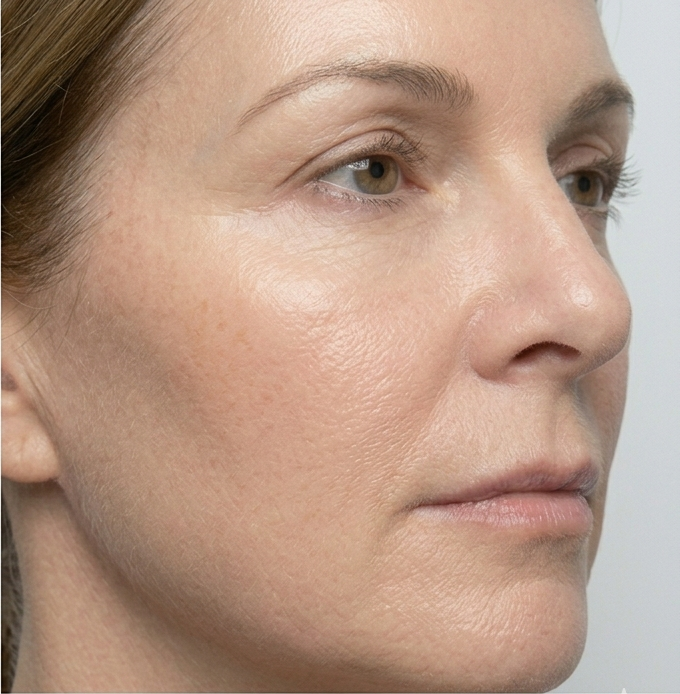
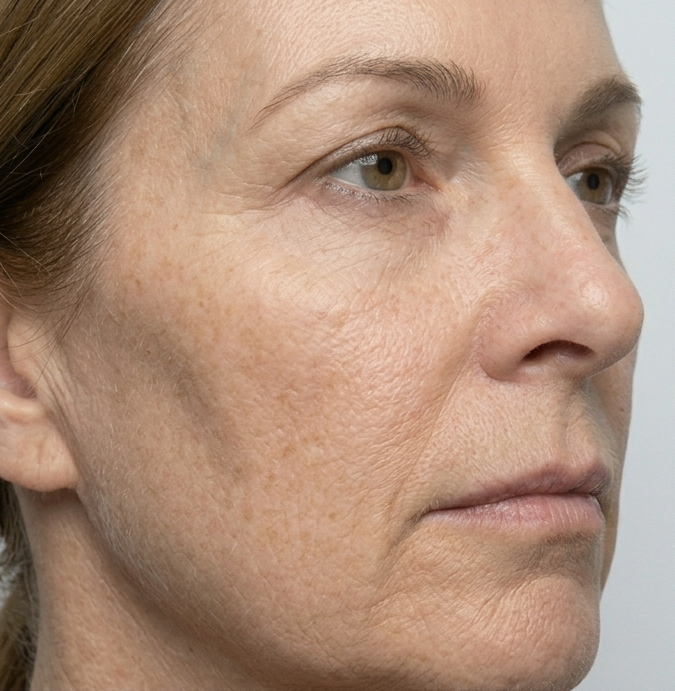
Chest acne scar resurfacing — fractional CO2 laser. Cosmolaser Medical Centre, Sharjah
Message us with a description of your scars — type, affected zones, and any previous treatments. We confirm availability and advise what to prepare before your consultation.
Our clinician photographs affected areas under standardised lighting (three angles), classifies each scar by type and severity per zone, reviews your Fitzpatrick skin type, acne history, and current medications. We confirm that active acne is fully controlled before discussing any procedure plan.
A written treatment plan is prepared mapping which modalities will be used for each scar zone, in what sequence, and over what timeline. Session counts, expected downtime per session, and realistic outcome expectations are presented clearly. Pricing is discussed transparently before any commitment.
Begin SPF 50+ daily — non-negotiable. Stop retinoids, AHAs, and BHAs 5 days before each session. If prescribed topical bleaching agents (for PIH), use for 4 weeks pre-laser to reduce pigmentation load. Ensure skin is not actively broken out.
Arrive with clean, makeup-free skin. Topical anaesthetic cream is applied 30–45 minutes before treatment. The CO2 laser is delivered in a systematic grid pattern across the treatment zones. The session takes 20–30 minutes once numb. A soothing post-procedure cream is applied. Aftercare instructions and a printed post-care sheet are provided.
Days 1–3: significant redness and swelling — normal. Days 2–5: skin may feel tight; a thin crust or bronzing appears. Days 3–6: skin begins to peel and flake — do not pick. Keep the area moisturised with the prescribed ointment. Absolute SPF 50+ from day 7 onwards. No makeup, exfoliants, or active skincare for 7–10 days.
Topical anaesthetic applied 45 minutes prior. The RF microneedling device is passed across treatment zones using specified needle depth and RF energy level per zone. Pinpoint bleeding is normal — this is covered and managed in-clinic. Mild swelling and redness follow for 24–48 hours.
Comparative photographs taken under identical conditions to baseline. Scar grading reassessed. Programme adjusted if needed. Patients are shown their progress images at this point — important for motivation through a long programme.
After completing the core programme, maintenance sessions (light peel or RFMN x1 every 6 months) sustain and extend results as collagen continues to mature. SPF 50+ is a permanent post-treatment recommendation for UAE patients.
Treatment | How It Complements Scar Treatment | Page Link |
|---|---|---|
Acne Treatment | Active acne must be cleared first — this page is the prerequisite to scar treatment | /services/skin-treatments/acne-treatment-sharjah/ |
Pico Laser | Addresses the PIH and pigmentation component of mixed scar + dark mark cases | /services/laser-treatments/pico-laser-sharjah/ |
CO2 Fractional Laser | Detailed page for CO2 laser resurfacing — cross-link from scar treatment | /services/laser-treatments/co2-fractional-laser-sharjah/ |
Skin Boosters | Injectable hydration restores barrier after intensive laser courses; supports healing | /services/injectables/skin-boosters-sharjah/ |
Chemical Peel | Ongoing superficial resurfacing between laser sessions; PIH maintenance | /services/skin-treatments/chemical-peel-sharjah/ |
HydraFacial | Maintenance and barrier support between intensive treatment sessions | /services/skin-treatments/hydrafacial-sharjah/ |
We’ve gathered the most common questions to help you feel informed, confident, and ready for your journey with us.
Complete removal of acne scars is not achievable with any current non-surgical treatment. What laser, RFMN, and chemical peel programmes deliver is significant visible improvement — most patients achieve 50–80% reduction in scar depth and visibility over a full treatment course. Ice pick scars are the most challenging to treat fully; boxcar and rolling scars typically respond better. Our goal at Cosmolaser is the maximum clinically achievable improvement, with honest expectation-setting at assessment.
This depends on the scar type, severity, and the modalities used. A CO2 laser course for moderate boxcar scarring typically involves 3–5 sessions spaced 6–8 weeks apart. RFMN requires 3–5 sessions spaced 4–6 weeks apart. For PIH, Pico laser requires 4–6 sessions. A combination programme for mixed severe scarring may involve 9–15 total sessions over 9–12 months. Full details are provided at your assessment once your scar map is documented.
CO2 laser requires careful calibration for Fitzpatrick IV–VI skin types due to the higher risk of post-treatment hyperpigmentation. At Cosmolaser, we use fractional (not fully ablative) settings, ensure adequate pre-treatment SPF preparation, and consider RFMN as an alternative first-line for darker skin types where appropriate. We have treated a large volume of UAE-prevalent skin types and our protocols reflect this experience. Your Fitzpatrick type is assessed at consultation and is a key factor in your treatment plan.
For fractional CO2 laser at the settings used for acne scars, plan for approximately 7 days of social downtime. Days 1–3 involve significant redness and swelling. Days 3–6 involve skin bronzing and peeling. Most patients feel comfortable returning to work and social activities by day 7–8, with residual mild pinkness that can be covered with mineral makeup from day 10. Full healing and the emergence of new collagen continues over 3–6 months.
It is possible but requires careful planning. Post-CO2 laser care requires regular moisturisation and SPF application, which is manageable during fasting. The main consideration is hydration — we recommend ensuring adequate water intake during non-fasting hours to support healing. Procedures that require only 1–2 days downtime (RFMN, Pico laser) are generally more practical during Ramadan. We advise scheduling the most intensive sessions (CO2 laser) outside of Ramadan for optimal comfort.
We require acne to be clinically stable before beginning any scar treatment. 'Stable' means fewer than 2–3 minor spots per month, with no active inflammatory papules, pustules, or cysts in the treatment zone. Occasional minor comedones on already-treated areas are generally acceptable. If you are still experiencing regular breakouts, we address those first through our acne treatment programme, then begin scar management once stability is confirmed — typically after 6–8 weeks of controlled acne.
TCA Cross (Chemical Reconstruction of Skin Scars) is a targeted technique where a high-concentration TCA solution (70–100%) is applied using a fine applicator tip directly into the base of individual ice pick scars. This triggers a focused healing response that progressively fills the scar from the base upward. It is the most effective non-surgical treatment specifically for ice pick scars, which are too narrow and deep for laser alone. Two to four sessions spaced 4–6 weeks apart are typically required per scar cluster.
We recommend a minimum of 6–8 weeks of stable, acne-free skin before beginning laser or RFMN scar treatment. For patients who completed isotretinoin (Accutane/Roaccutane), the wait is 6 months minimum before any ablative or semi-ablative procedure. Chemical peels (mandelic or lactic acid at mild concentrations) can begin earlier — from approximately 4 weeks post-acne stabilisation. Your clinician will confirm readiness at your scar assessment consultation.
Book a dedicated acne scar assessment at Cosmolaser Medical Centre, Sharjah. We will map your scars, design your programme, and give you honest, realistic expectations for what is achievable — before you commit to anything.